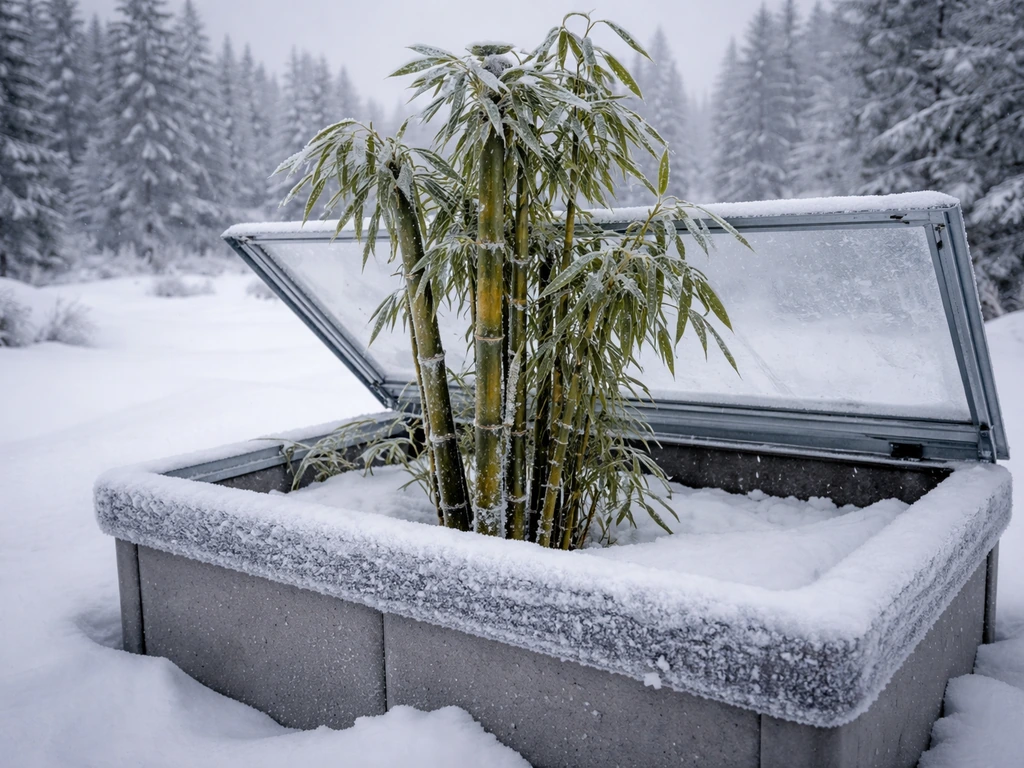
Yes, bamboo can grow in Montana, but you need to be very selective about which species you plant and very deliberate about where and how you plant it. Can bamboo grow in California too, and if so, which zones and species matter most? Most bamboo sold at garden centers will not survive a Montana winter. But a handful of genuinely cold-hardy species, planted in the right microclimate with proper winter protection, can establish and thrive even in some of the state's colder zones. The key is matching species to your specific zone, protecting rhizomes from extreme cold, and shielding plants from Montana's brutal drying winds.
Can Bamboo Grow in Montana? Species, Cold Care, Setup

Marcus Hartwell
28 Jun 2026
Montana's climate is tough on bamboo, but not impossible
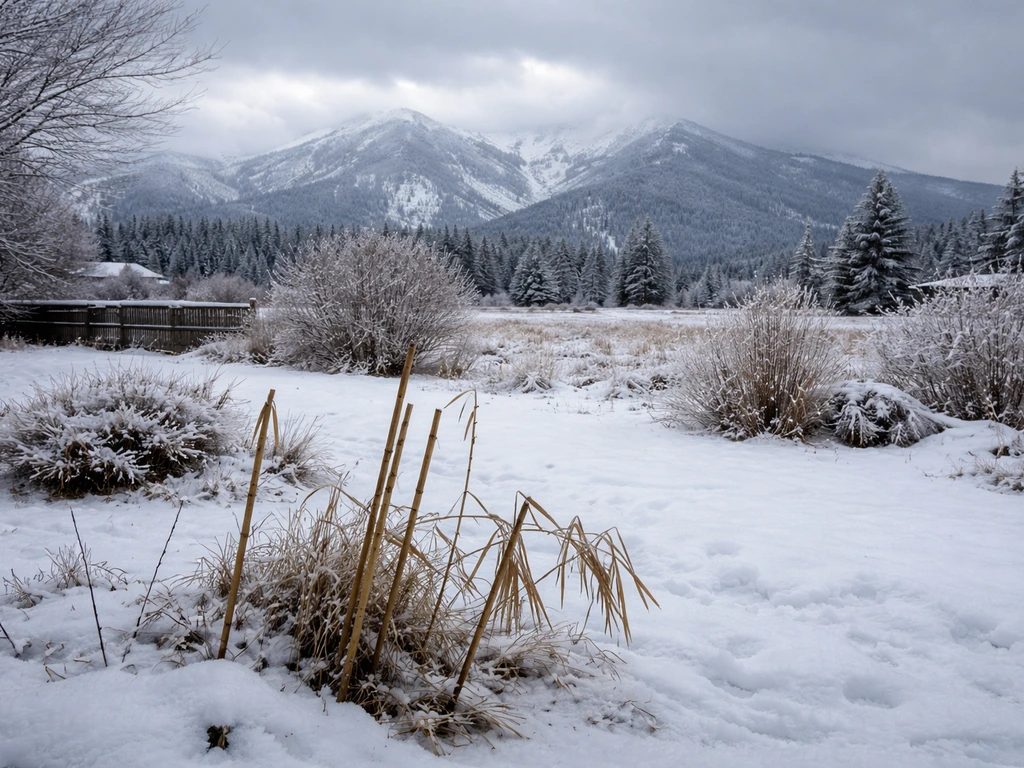
Montana spans USDA hardiness zones 3 through 6, and the variation is dramatic. Missoula and Billings tend to sit in zones 5b to 6a, while Great Falls, Helena, and much of central and eastern Montana land in zones 4 and 5. The eastern high plains regularly see zone 3 conditions. Great Falls holds a historical record low of around -49°F, which puts it well beyond the survival range of any bamboo species on the planet. Bamboo can grow in Alaska only in sheltered spots with cold-hardy species and strong winter protection can bamboo grow in alaska. Even in milder pockets, Montana winters regularly drop to -20°F or colder, which is borderline even for the most cold-hardy bamboos available.
What makes Montana particularly hard on bamboo isn't just the cold, it's the combination of cold and wind. Prevailing northwest and westerly winds strip moisture from canes all winter while the ground is frozen, causing desiccation (essentially freeze-drying the plant) even when temperatures aren't record-breaking. This is a bigger killer than raw temperature alone for many gardeners. Understanding your microclimate is critical: a south-facing slope sheltered by a building or dense windbreak on the north side is a completely different environment than an exposed hillside a few hundred feet away. If you're wondering can bamboo grow in washington state, the same approach applies: pick cold-hardy species and plan for winter wind and moisture issues.
The USDA hardiness zone system is based on extreme minimum temperatures recorded over decades, not averages. That matters for bamboo planning because bamboo survival hinges on surviving those worst-case cold events, not just typical winters. If your zone says 5b, that means extreme lows around -10°F to -15°F. Plan for that number, not for the mild winter you had last year.
Which bamboo species actually stand a chance in Montana
This is where most Montana gardeners go wrong. They buy a beautiful bamboo at a nursery or online without checking the hardiness rating, and it dies the first winter. The golden rule: only plant bamboo rated to at least one full zone colder than your location, because Montana's wind and exposure push plants harder than the zone number suggests.
Fargesia: the clumping bamboos built for cold
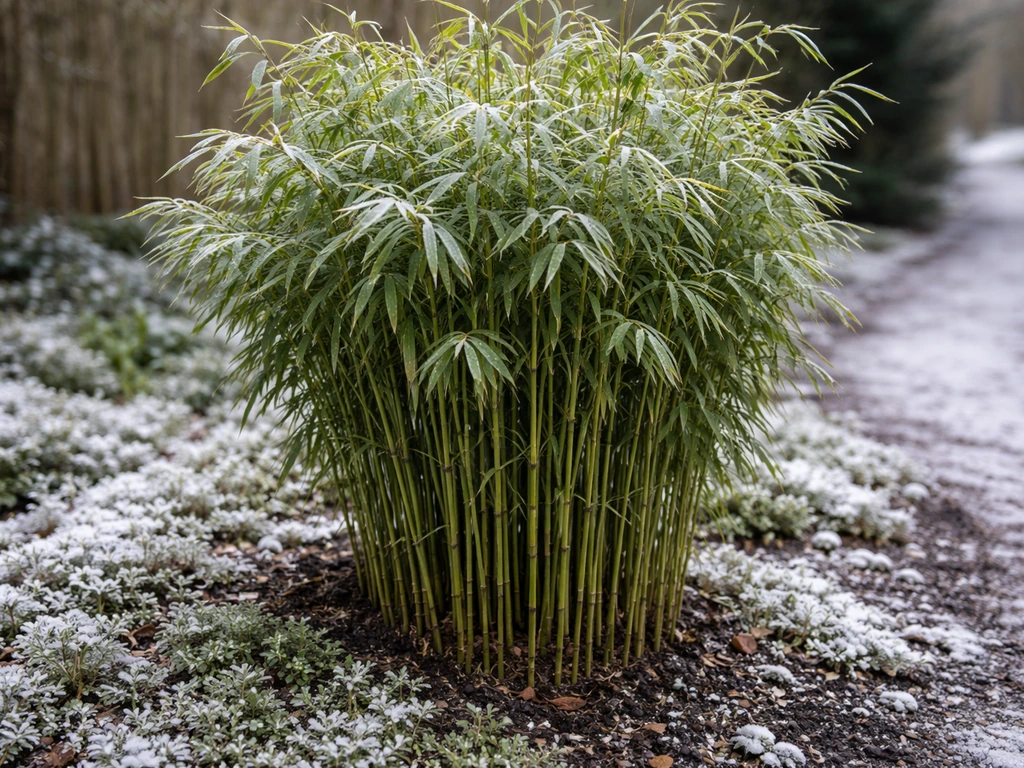
For most Montana growers, Fargesia species are the right starting point. They're clumping bamboos, meaning they don't spread aggressively via long underground rhizomes the way running bamboos do, and several species are legitimately rated to zone 4 or 5. Fargesia rufa, sometimes sold as 'Green Panda,' is rated zone 5 to 8 and grows in a tidy clump reaching about 6 to 8 feet tall. It's a realistic choice for Missoula, Billings, or Kalispell with good site selection and winter protection. Fargesia demissa 'Gerry' is another cold-hardy selection worth seeking out from specialty nurseries. These Fargesia types evolved at high elevations in China, which is precisely why they handle cold better than tropical or subtropical bamboos.
Phyllostachys bissetii: cold-hardy running bamboo for specific situations
Phyllostachys bissetii is frequently cited as one of the most cold-hardy running bamboos, rated around zone 4 to 5. Some sources say it can survive short exposures down to about -20°C (roughly -4°F), though extended cold below that is risky. It can reach 15 to 20 feet under good conditions and makes an impressive screen or grove. The catch is that it's a running bamboo, meaning it spreads aggressively via rhizomes and needs either a physical root barrier (a 24 to 30-inch deep HDPE barrier, buried with 2 inches above soil level) or serious management commitment. In zones 5b and warmer, well-sited bissetii with a barrier is worth considering. In colder or more exposed Montana locations, the Fargesia options are safer bets.
Species to avoid in Montana
Moso bamboo (Phyllostachys edulis) and most tropical or subtropical species rated only to zone 7 or 8 will not survive Montana winters outside of a heated greenhouse. Even some species rated to zone 6 are risky in the coldest half of the state. Stick to verified zone 4 or zone 5 ratings from reputable cold-climate sources, not from general-purpose plant sellers who may be listing optimistic numbers.
| Species | Type | Hardiness Zone | Height | Montana Verdict |
|---|---|---|---|---|
| Fargesia rufa | Clumping | Zone 5–8 | 6–8 ft | Good choice for zones 5b–6a |
| Fargesia demissa 'Gerry' | Clumping | Zone 4–5 | 8–12 ft | Strong option for colder Montana zones |
| Phyllostachys bissetii | Running | Zone 4–5 | 15–20 ft | Viable in zones 5b+ with root barrier |
| Phyllostachys aurea (Golden Bamboo) | Running | Zone 6–10 | 10–20 ft | Too tender for most of Montana |
| Phyllostachys edulis (Moso) | Running | Zone 7–10 | 40–70 ft | Will not survive Montana winters |
Finding the right spot in your yard
Site selection in Montana can effectively bump you up half a zone or more. A south or southeast-facing location absorbs maximum winter sun, which keeps soil temperatures more stable. A wall, fence, or dense evergreen windbreak on the north and northwest sides blocks the desiccating winds that do so much damage. Avoid open, exposed areas or north-facing slopes, especially east of the Rockies where wind chill is a serious factor.
Bamboo needs full to partial sun, ideally 4 to 6 hours of direct light daily. It prefers well-draining soil with consistent moisture. Heavy clay that holds water and freezes solid around the roots is problematic. Sandy or loamy soil with good organic content is ideal. Soil pH around 6.0 to 7.0 suits most cold-hardy species. If your soil is compacted clay, amend it with compost before planting and make sure the site doesn't pool water after rain or snowmelt. Waterlogged, frozen soil can rot rhizomes even if the above-ground cold doesn't kill the plant.
When and how to plant bamboo in Montana
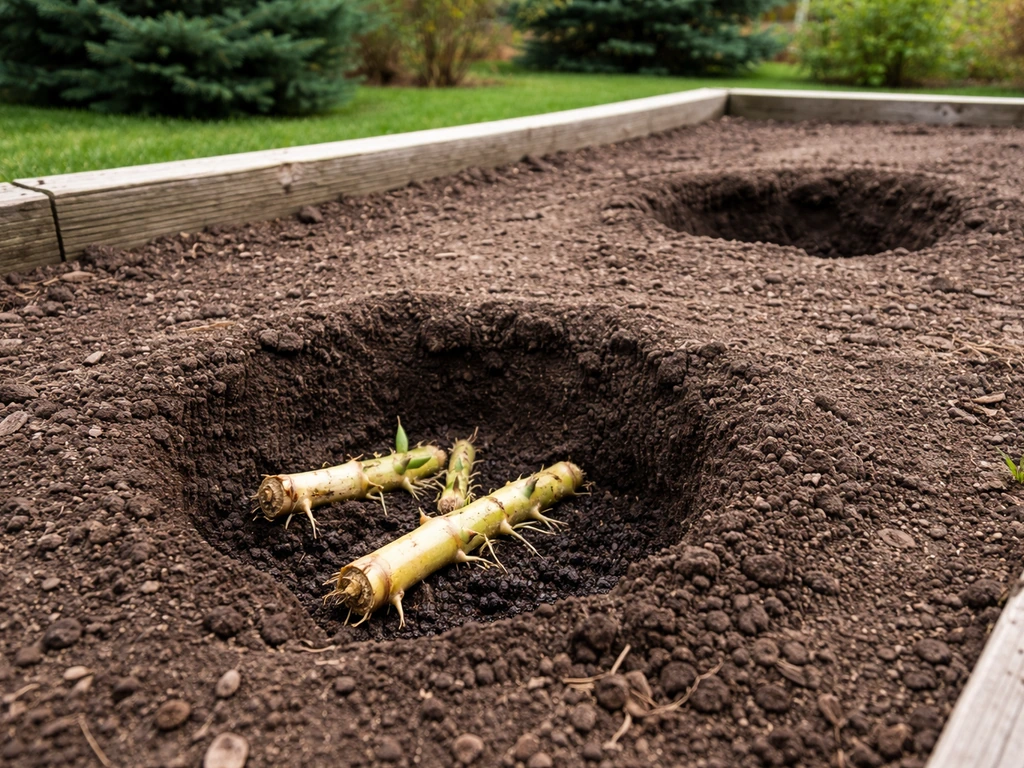
Timing is critical when winters are as harsh as Montana's. Plant bamboo in spring after the last hard frost, typically mid-May through June depending on your location and elevation. This gives the plant a full growing season to establish roots before winter hits. Early fall planting (late August through mid-September) is a secondary option, but only if your bamboo is going into the ground with at least 6 to 8 weeks before hard freeze. Avoid planting in late fall or early spring when ground may still be frozen, since bamboo roots won't establish in cold soil and the plant will head into winter weak and vulnerable.
In-ground planting
In-ground planting is almost always better for cold climates because the soil itself acts as an insulating buffer around the roots and rhizomes. Dig a hole twice as wide as the root ball and about the same depth. Backfill with a mix of native soil and compost. Water thoroughly at planting and keep the soil consistently moist through the first growing season. Don't fertilize heavily at planting; let the plant focus on root establishment first.
Container growing
Container growing is possible but significantly harder in Montana. The problem is that a container's entire root ball is exposed to air temperature on all sides, not just the top. When air temperatures drop to -10°F or -20°F, an above-ground container can freeze solid and kill the roots even if the species is technically hardy to that temperature in-ground. If you grow in containers, you need a plan to move them into an unheated but frost-moderated garage, shed, or cold storage space before temperatures consistently drop below 20°F. Large containers (25 gallons or more) have more thermal mass and are harder to freeze through, but they're also harder to move. For pots under 5 gallons, make sure you're watering appropriately since small containers dry out faster, and dry roots in a freeze are more vulnerable than moist ones.
Keeping your bamboo alive through a Montana winter
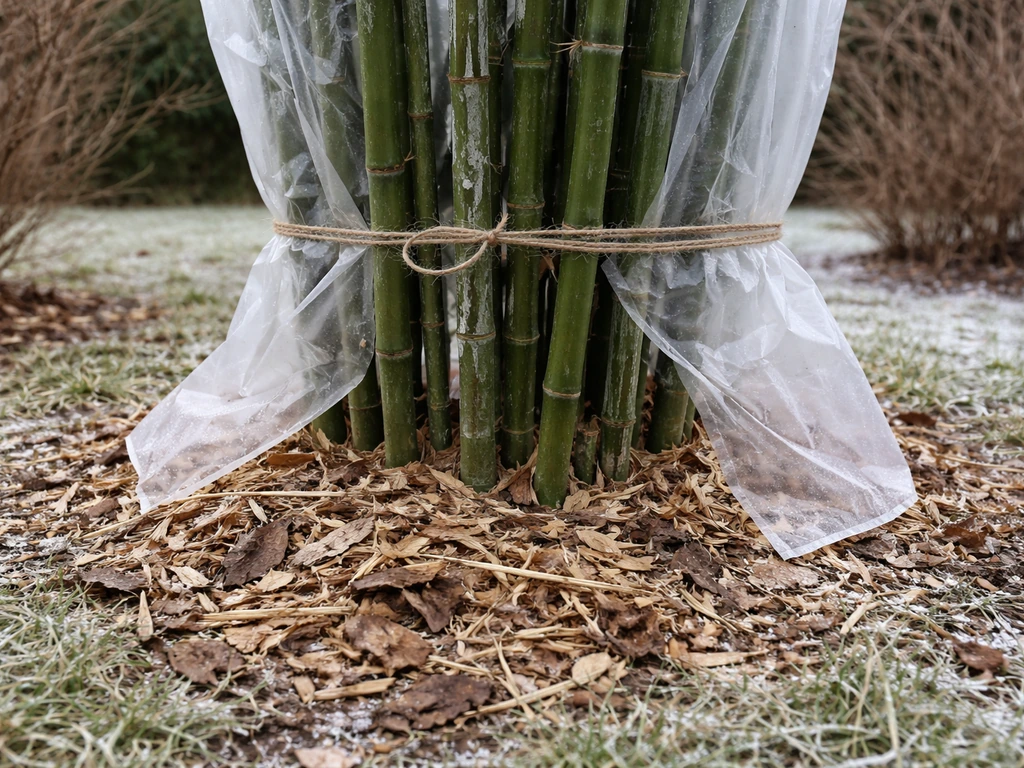
Winter protection is non-negotiable for bamboo in Montana. Even the hardiest species benefit from it, and marginal species depend on it. Here's what actually works:
- Mulch heavily in late fall (after the ground has started to cool but before it freezes hard). Apply 4 to 6 inches of organic mulch, such as straw, wood chips, or shredded leaves, over the entire rhizome zone extending a foot or two beyond the visible canes. This keeps soil temperatures warmer than air temperatures and is one of the single most effective things you can do.
- Install a windbreak on the north and northwest sides of the planting if one doesn't already exist. A burlap screen, snow fence, or dense evergreen planting blocks desiccating wind and dramatically reduces winter moisture loss from canes.
- For particularly cold sites or tender species, wrap canes loosely in burlap or frost cloth. Don't wrap so tightly that you trap moisture against the canes.
- Tie taller canes together loosely or guy them with stakes and rope to prevent wind throw, which can damage or uproot rhizomes in frozen soil.
- Water the plant well going into winter in late October, before the ground freezes. Rhizomes and roots store moisture, and a well-hydrated plant is more cold-tolerant than a drought-stressed one.
- Remove mulch gradually in spring as temperatures warm, but don't rush it. A late cold snap after early March can kill new emerging shoots even if the rhizomes survive.
- For containers, move them into a sheltered, unheated space (garage, shed, enclosed porch) before hard freezing begins. If you can't move them, cluster multiple containers together, wrap them in insulating burlap, and pile mulch or straw around the outside of the pots.
What to expect after planting: growth, spreading, and maintenance
Don't expect fast, dramatic growth in the first year or two. There's a well-known saying in bamboo growing: 'first year sleeps, second year creeps, third year leaps.' Montana's short growing season and cold winters make this even more pronounced. In year one, your bamboo is almost entirely focused on establishing roots. You may see minimal new cane growth. In year two, growth picks up. By year three and beyond, established cold-hardy bamboo in a good Montana microclimate can produce impressive new culms each spring. Fargesia species in a good spot might put up 1 to 2 feet of new growth annually in the early years, accelerating as the clump matures.
For Fargesia (clumping types), spreading isn't a concern the way it is with running bamboos. The clump expands slowly and predictably outward, maybe a few inches per year. You can divide it if it gets too large. For Phyllostachys bissetii or any running bamboo, you need to install a physical root barrier at planting (not after). A 60 to 80 mil HDPE barrier, 24 to 30 inches deep, with the top edge turned outward and 2 inches above soil level, is the standard approach. Inspect the perimeter annually in spring and prune back any rhizomes escaping over or under the barrier.
General care after establishment is straightforward. Water during dry spells, especially in summer. Apply a balanced slow-release fertilizer in spring once the plant is actively growing (year two onward). Remove dead or damaged canes in spring after you can see which ones have leafed out. Don't cut anything back until you're certain it's dead, because bamboo that looks dead above ground may still push new growth from living rhizomes.
When things go wrong: troubleshooting and knowing when to change course
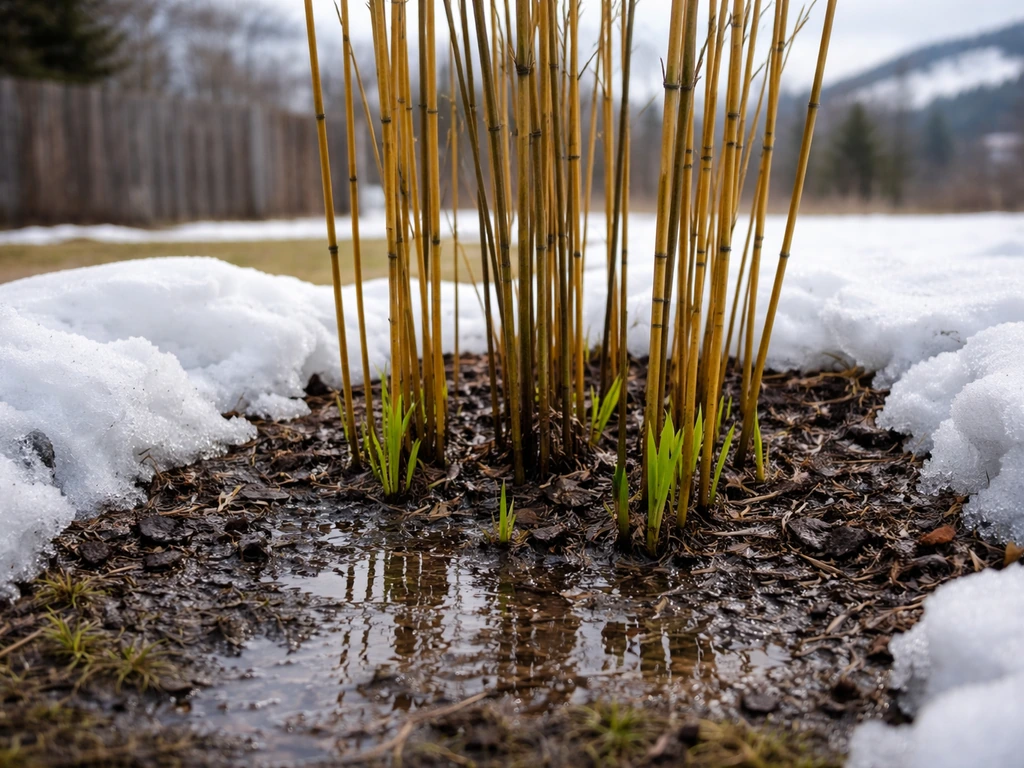
The most common failure mode in Montana is winter dieback, where canes die or yellow but rhizomes survive. If your bamboo looks dead in spring, don't pull it up immediately. Do a scratch test on a cane: scrape a small section of the outer surface with your fingernail. If you see green underneath, the cane is alive. If it's brown and dry all the way through, that cane is dead. Then check the rhizomes by gently digging at the base of the plant. Live rhizomes are firm and white or cream-colored inside. If rhizomes are alive, the plant can recover and push new growth. Be patient through May and into June.
Yellowing and leaf drop in late winter or early spring often signal wind desiccation rather than freeze damage. The plant lost more moisture through its leaves and canes than it could absorb from frozen soil. The fix going forward is better wind protection and ensuring good hydration before freeze-up in fall. If you see this pattern two winters in a row, the site is too exposed and you either need a better windbreak or a different location.
Container bamboo that freezes solid, even once, may not recover. If you had a container outside through a -10°F Montana cold snap and the root ball froze through, check for live rhizomes but expect significant dieback or complete loss. The solution is simple in principle: get containers under cover before temperatures drop hard. If your storage options are limited, this is a sign to switch to in-ground planting with a zone-appropriate species.
If you've tried two or three species over multiple winters and nothing survives, take an honest look at your hardiness zone. If you're in zone 4 or colder, the options narrow to Fargesia species with the best cold ratings and near-perfect site conditions. In zone 3, growing bamboo outdoors in Montana is essentially not viable without very specific microclimate engineering or moving the plant indoors each winter. At that point, treating bamboo as a container plant brought indoors seasonally (not into a garage but into a cool indoor space with light) is the more realistic strategy. Gardeners in Minnesota face similar constraints, and the approaches used there translate well to Montana's colder zones.
Montana isn't the Pacific Northwest or California, where bamboo grows almost effortlessly in many locations. In contrast, if you are wondering does bamboo grow in Hawaii, the warmer temperatures make it much easier to find bamboo that can thrive outdoors. Washington State growers have more species options and far less winter exposure. But Montana isn't Alaska either, where outdoor bamboo is essentially off the table. With the right species, a protected microclimate, proper mulching, and consistent winter care, bamboo can genuinely thrive in Montana's zone 5 and warmer areas, and survive with effort in zone 4. Go in with realistic expectations, choose your species carefully, and treat winter protection as a non-negotiable part of the annual routine.
FAQ
How do I know which bamboo will actually survive my exact part of Montana?
Look for plants labeled with a cold hardiness rating you can verify (ideally zone 4 or zone 5 for most Montana sites). If a listing only says “hardy” or gives a warm-weather range, assume it is not reliable for Montana winter wind and extremes. When in doubt, buy from a cold-climate specialty nursery rather than a general national seller.
If my bamboo dies back, does that mean the rhizomes are also dead?
If your winter is frequently below what the tag claims, you can lose canes even when rhizomes survive. In that case, focus on protecting rhizomes first (barrier for running types, insulating mulch, wind shielding) and do not judge the plant until late spring or early summer after thaw. A single winter dieback does not always mean failure.
Is in-ground bamboo always safer than container bamboo in Montana?
Yes, but it depends on where the plant is exposed. In-ground bamboo generally tolerates brief cold snaps better because the soil insulates the rhizomes, while containers freeze the entire root zone from the sides. A container that sits outside through a hard low can fail even if the same species would survive in-ground.
Do I need a root barrier in Montana for all types of bamboo?
For clumping types like Fargesia, you typically do not need a root barrier because they spread slowly and predictably. Running bamboos like Phyllostachys bissetii do require a barrier installed at planting time, and you should inspect it annually for rhizomes that escape under, over, or around the top edge.
When should I fertilize bamboo in Montana, and should I feed it right after planting?
Don’t fertilize heavily at planting. Give the plant time to establish roots, then apply a balanced slow-release fertilizer only after spring growth starts (often year two onward). Overfeeding early can push weak, frost-sensitive growth when Montana’s short season is already limiting.
Why do my bamboo leaves yellow in early spring even if the canes aren’t fully dead?
Yes, especially where winters are windy and drying. If leaves yellow and drop after freeze-thaw periods, it often points to wind desiccation and moisture loss rather than true freeze kill. Improving wind protection and ensuring the soil is evenly moist going into cold weather can reduce repeat “false dieback.”
What growth timeline should I realistically expect in Montana?
Expect limited visible growth in the first year, then more progress in year two. If you see almost no new culms in year one, that is usually normal for a cold-hardy establishment, not necessarily a problem. Plan to evaluate survival based on live rhizomes by mid to late spring.
Is the USDA zone rating enough, or should I choose a bamboo colder-rated than my zone?
For plants that are borderline, the “one full zone colder” rule is a good safeguard, especially if your site is exposed. Even then, wind can make the practical stress worse than the zone number suggests, so you may need additional wind shielding beyond what you would do in a calm yard.
My bamboo keeps failing, what should I change first, the species or the planting location?
If your bamboo keeps suffering despite winter protection, the first step is to reassess site exposure. Try a south or southeast location, add a dense evergreen windbreak on the north and northwest sides, and avoid open north-facing slopes. If you still cannot protect it from persistent desiccating winds, consider switching to a clumping Fargesia type.
Should I prune bamboo right after winter dieback in Montana?
Do not cut everything back the moment you see winter damage. Some canes look dead while rhizomes are still alive, and those living rhizomes can push new shoots later. Wait until spring leaf-out shows which canes are truly dead, then remove the dead material afterward.
What is the best way to troubleshoot winter dieback without harming the plant?
Scratch-test canes and inspect rhizomes, but digging too aggressively can also damage a stressed plant. If the plant looks dead, check a small number of canes and gently probe near the base to confirm rhizome health, then leave the rest in place. If rhizomes are alive, recovery usually takes patience through May into June.
Next Article
Can Bamboo Grow in Alaska? Cold-Hardy Guide and Steps
Can bamboo grow in Alaska? Cold-hardy picks and step-by-step planting, winter protection, and regional tips for success.