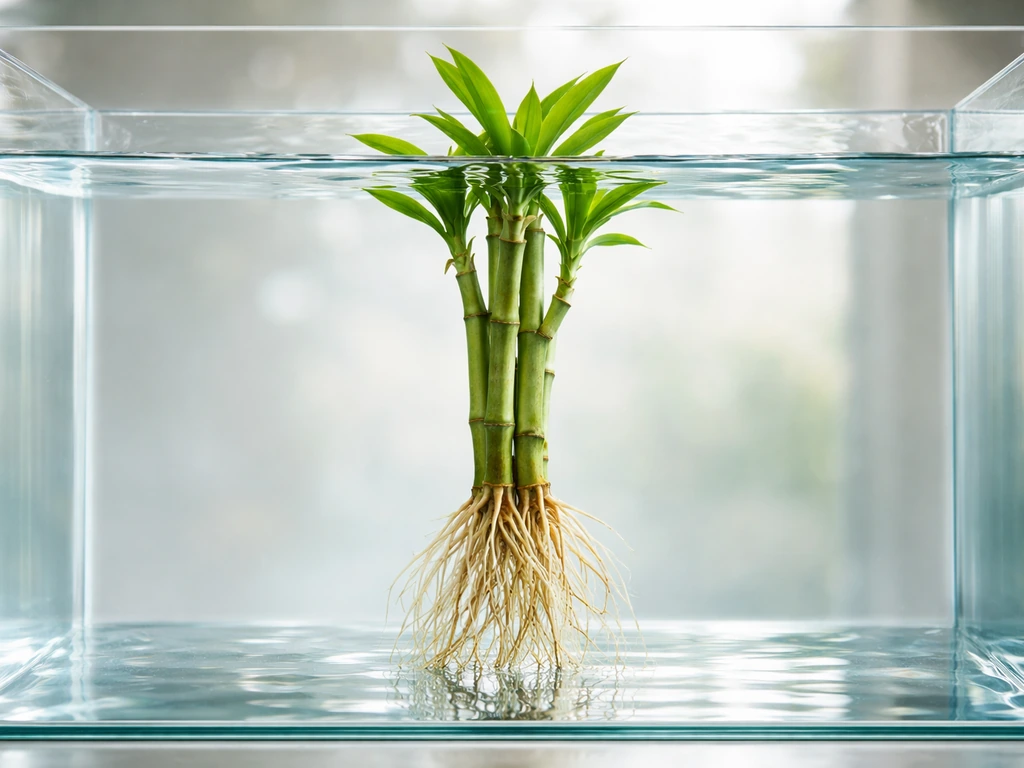
Bamboo can grow in rocky ground, but only if you create real soil pockets for it. Rock alone will kill it. The rocks themselves are not the problem, poor water retention, nutrient starvation, and inadequate rhizome space are. If you're willing to do the groundwork (literally), a rocky site can actually work well for bamboo, especially with good drainage. But if you're hoping to just stick a plant between two boulders and walk away, it will fail within a season.
Can Bamboo Grow in Rocks Yes But Only If You Prepare
Marcus Hartwell
26 Jun 2026
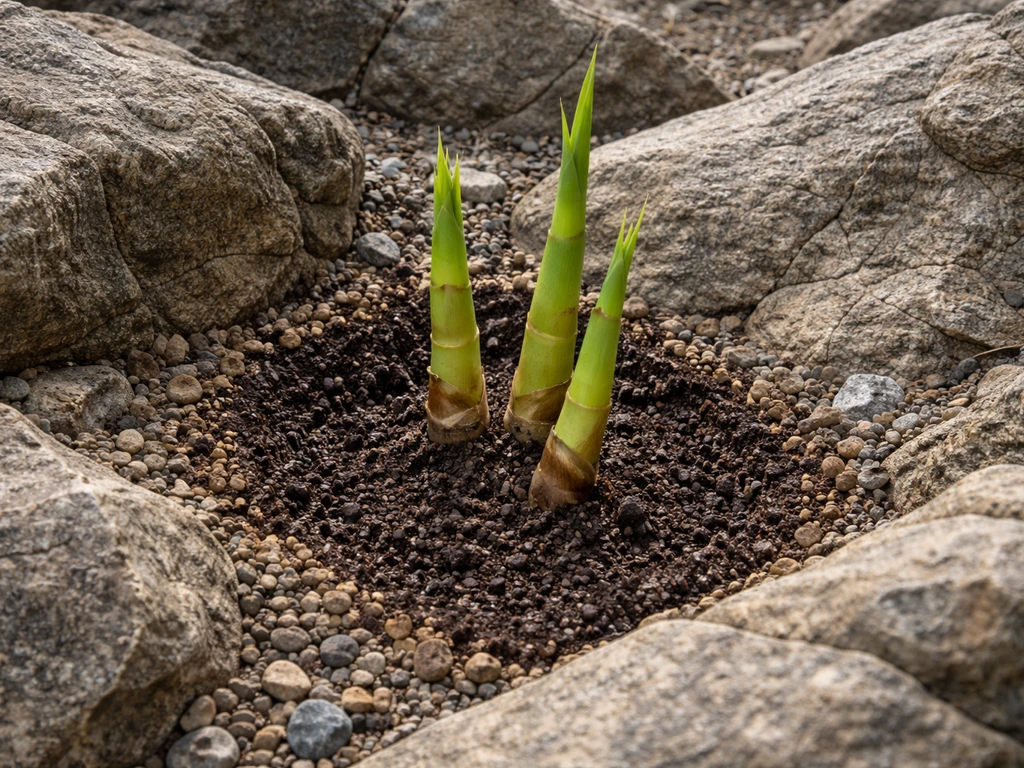
What people actually mean when they ask this question
The question 'can bamboo grow in rocks' usually covers a few different real-world situations, and the answer shifts depending on which one you mean. Some people are asking whether bamboo will push through rocky ground and establish in a mostly-stone area (the 'grow through rocks' scenario). Others want to plant bamboo near decorative stones or in a rock garden where there's still some soil underneath. A third group is asking about the indoor lucky bamboo style, growing stalks in a vase of pebbles with water. You can grow lucky bamboo indoors, but for outdoor planting the conditions are different and you cannot rely on the pebbles-and-water setup indoor lucky bamboo style. All three are valid questions, and all three have workable answers, but the conditions are very different. This article focuses primarily on planting bamboo in rocky outdoor ground or in containers with rocky substrates, since that's the harder and more common challenge.
How bamboo roots and rhizomes actually work underground
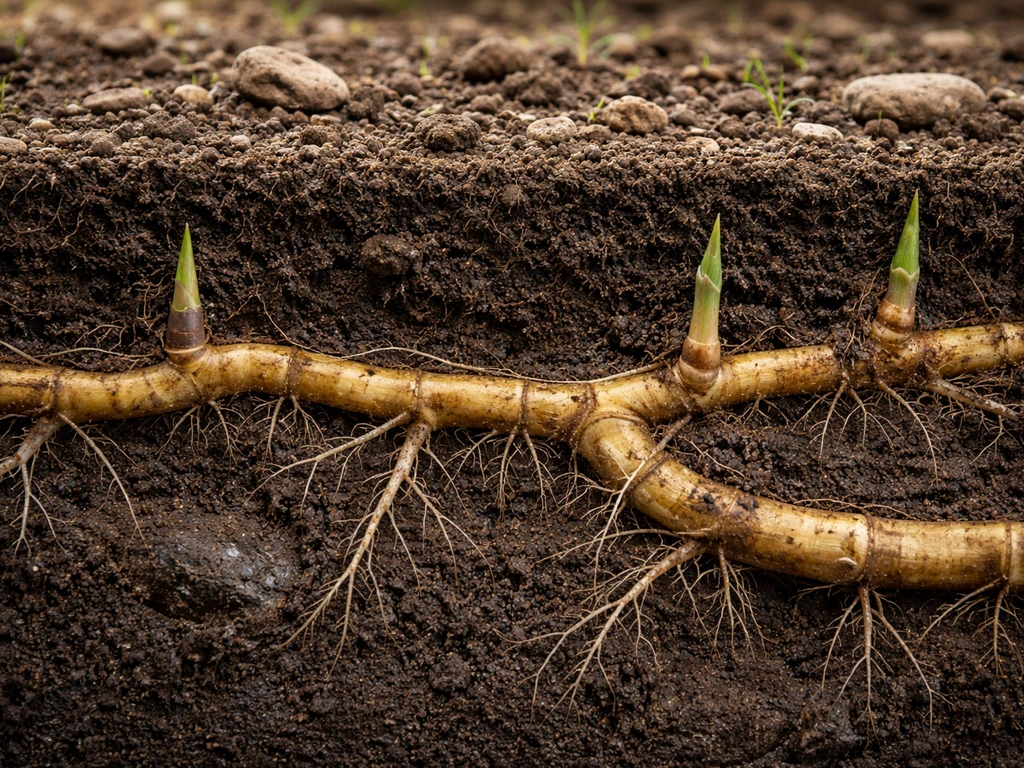
Bamboo does most of its work underground before you ever see it above ground. It spreads through rhizomes, which are horizontal underground stems that push outward and eventually send up new shoots. Those rhizomes, and the fibrous roots that hang off them, need a few things: loose soil to move through, consistent moisture, and enough organic material to draw nutrients from. Rocky ground interferes with all three.
Most bamboo rhizomes travel at a shallow depth, typically 15 to 30 cm (about 6 to 12 inches) below the surface in normal soil. Timber bamboo can root down to around 18 inches in soft conditions, but most garden varieties stay closer to 8 to 12 inches. That's actually good news for rocky sites, because it means you don't need meters of deep soil, you need a reasonably generous but still manageable planting pocket. The challenge is that rock layers don't just block downward growth; they can redirect rhizomes sideways or even force them upward, which can cause them to surface and become more exposed to freezing, drying out, or physical damage.
Running bamboo (monopodial/leptomorph types) spreads aggressively via long rhizomes that can travel several feet from the parent plant each year. Rockledge Gardens’ bamboo info sheet also emphasizes that running bamboo can spread far and requires appropriate management or containment strategies blank" rel="noopener noreferrer">running bamboo spreads aggressively via long rhizomes that can travel several feet from the parent plant each year. Clumping bamboo (sympodial/pachymorph types) has shorter, more compact rhizomes and expands slowly in a tight radius. In rocky conditions, clumping bamboo is almost always the better choice because its rhizomes don't need as much lateral space and won't try to escape through gaps in rock walls or stones the way running types will. If you're dealing with lucky bamboo stalks in particular, the same idea applies: healthy growth depends on getting the right growing conditions for the roots clumping bamboo.
Outdoor rocky scenarios: what's realistic and what isn't
Rock gardens with soil underneath
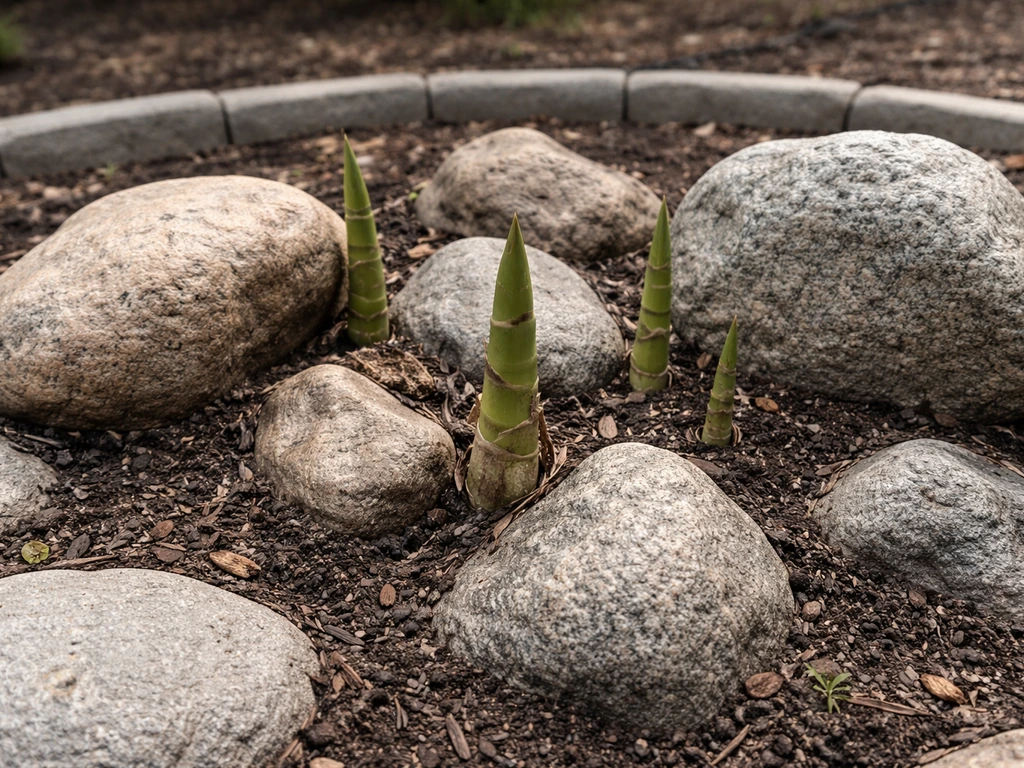
This is the most forgiving scenario. If you have a rock garden where stones sit on top of or among actual soil, even thin, poor-quality soil, bamboo has a real shot. The rocks can actually help by moderating soil temperature, reducing moisture evaporation from the surface, and giving the planting area a defined boundary. Clumping bamboo especially can do well here if you prepare the planting pocket properly. The key issue is that decorative rock gardens are often built on compacted or gravelly substrate with very little organic matter. You'll need to add that yourself.
Planting between large boulders or stone walls
Planting bamboo in a gap between large boulders can work, but the gap itself needs to be wide enough to allow a proper planting pocket. A crack 6 inches wide filled with windblown debris is not a viable spot. You're looking at needing at least a 12 to 18 inch wide opening with depth enough to go 12 to 18 inches down and fill with quality growing medium. Stone walls create rapid-drainage microclimates, which means you'll need to water more frequently during establishment. One advantage: stone walls radiate heat and can extend your effective growing season in cooler climates.
Solid or bedrock situations
If the ground is essentially all rock with no real soil layer, outdoor planting in the ground is not practical. You'll be fighting the site rather than working with it. In this case, raised beds placed on top of the rocky area, or large containers, are your best options. A raised bed with 18 to 24 inches of good soil gives bamboo what it needs and puts you in control of moisture and nutrition.
Indoor and container options that mimic rocky conditions
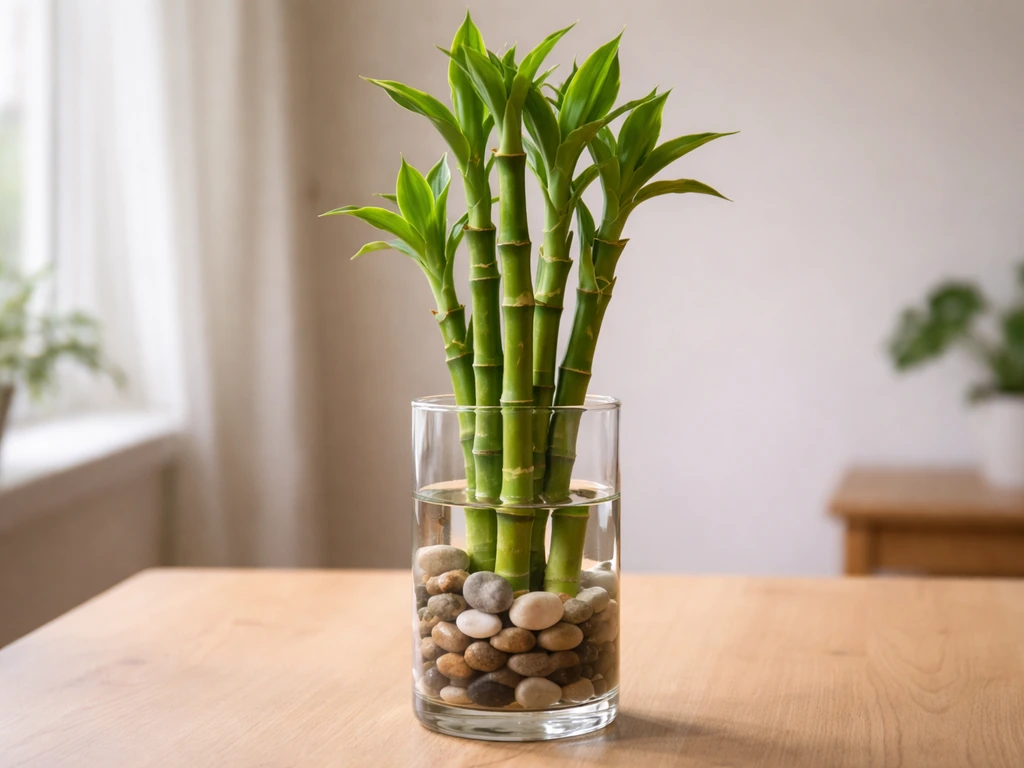
The classic indoor 'bamboo in rocks' setup is lucky bamboo (Dracaena sanderiana) grown in a vase of pebbles and water. This works because lucky bamboo is actually grown hydroponically, the pebbles provide physical support and the roots are submerged in water, not soil. If you're asking about true bamboo species (Phyllostachys, Fargesia, Bambusa, etc.) in a rocky container substrate, the approach is different. True bamboo needs soil volume, not just physical anchor points. A good container mix for a rocky aesthetic might be two-thirds quality potting compost amended with perlite or coarse grit, with decorative stones placed on top as mulch. The rocks sit on the surface and look great; the roots grow in actual growing medium beneath them.
The RHS notes that bamboo in containers or on light, poor soil may need additional watering and feeding compared to bamboo in a well-prepared garden bed. Container-grown bamboo in a rocky or fast-draining medium needs to be checked for moisture consistently, especially in summer. A pot that drains fast enough to look like it's sitting on rock will dry out faster than you expect. Lucky bamboo typically does better in water or a well-lit indoor setup than in an aquarium substrate container or on light, poor soil.
How to actually plant bamboo in a rocky area
This is where most people either succeed or fail. The preparation is more important than the planting itself. Here's a practical sequence that works:
- Clear the area of loose rocks and assess what's underneath. You're looking for whether there's any existing soil or if it's rock all the way down. If there's a compacted gravel or clay layer, break it up with a pickaxe or mattock before digging.
- Dig a planting hole that's at least 12 inches deep and twice as wide as the root ball. For larger bamboo, aim for a 60 cm x 60 cm x 60 cm hole (about 24 x 24 x 24 inches) to give rhizomes room to establish. If you hit solid rock before that depth, dig as deep as you can and extend the width instead.
- Fill the bottom 4 to 6 inches with a mix of topsoil and mature compost (50/50 is a good starting point). This is your moisture-retention layer.
- Set the plant so the top of the root ball sits at the same depth it was in the pot — do not plant deep. UGA Extension recommends making the hole the same depth as the root ball, just wider.
- Backfill around the root ball with your topsoil/compost mix. Press it down firmly to eliminate air pockets. Air pockets next to rhizomes cause them to dry out and die.
- Water thoroughly until the mix is saturated and water runs out the bottom of the hole.
- Apply a 2 to 3 inch layer of mulch (wood chips, bark, or leaf mold) over the entire planting area, extending at least 12 inches beyond the hole in every direction. Keep mulch a few inches away from the actual culms.
- If you're planting near or between stones, push the stones close to the mulch layer after planting. They'll help retain moisture and regulate soil temperature.
One important note on fertilizer: don't add it at planting. The UGA Extension is clear on this, rhizomes store their own food reserves at planting time, and fertilizer at that stage can actually shock the plant. Wait until after the first growing season before feeding.
Watering, feeding, and what to expect for growth
Rocky sites drain fast. That's good for avoiding waterlogging but terrible for a newly planted bamboo that needs consistent moisture to establish. The American Bamboo Society is direct about this: newly planted bamboo needs frequent and liberal watering. In a rocky, fast-draining site, that means watering deeply every 2 to 3 days for the first month, then tapering to once or twice a week through the first full growing season. After establishment, usually by the second year, bamboo becomes more drought-tolerant, but you'll still need to step up irrigation during dry spells in well-drained or rocky ground.
Growth in rocky conditions will be slower than in ideal rich soil, at least for the first couple of years. This is normal and expected. Bamboo puts energy into building its root and rhizome network before it pushes up serious above-ground growth. In good conditions, most temperate bamboo sees its main flush of new culm growth in a 6 to 12 week window between March and May. In rocky, nutrient-limited ground, that first-year flush will be modest, smaller culms, fewer shoots. By year two or three, if you've maintained watering and mulching, you should see noticeably stronger growth as the plant has had time to build out its underground system.
After the first full year, you can begin light fertilizing. A balanced slow-release fertilizer or a top-dressing of compost in early spring works well. Avoid high-nitrogen synthetic fertilizers in rocky conditions where there's limited soil buffering capacity, they can burn roots quickly. The NRCS cautions that fertilizer can cause plant mortality if applied at the wrong time or in excess.
What goes wrong and how to fix it
| Problem | Likely cause in rocky conditions | What to do |
|---|---|---|
| Leaves curling or yellowing, plant looks stressed in summer | Drying out too fast between waterings | Increase watering frequency, add more mulch, check that soil pocket hasn't dried to powder |
| Shoots emerge weak and thin in spring | Insufficient root volume or poor nutrition | Top-dress with 2 inches of compost, expand the planting pocket if possible, water deeply before spring flush |
| No new growth after one full year | Root system failed to establish, possibly due to air pockets or consistent dryness | Check roots — if brown and brittle, the plant likely died back. If rhizomes look pale/cream-colored, it's alive. Improve watering and mulching |
| Waterlogging and root rot in a hollow between rocks | Impermeable rock layer trapping water below the planting hole | Drill or break a drainage hole through the rock layer, or add coarse gravel at the bottom of the planting hole as a drainage layer |
| Frost damage to shoots in spring | Rocky exposed sites lose heat fast overnight | Apply extra mulch in autumn, use a thick 4-inch layer, and consider windbreak planting or fleece protection in the first two winters |
| Running bamboo escaping through rock gaps | Rhizomes finding paths through cracks and gaps in rock | Switch to clumping bamboo, or install a rhizome barrier at least 24 to 30 inches deep before planting |
When to give up on the site and use containers instead
Some rocky sites are genuinely too hostile for in-ground bamboo planting. If you can't get to at least 12 inches of depth without hitting solid immovable bedrock, or if the site is fully exposed with no wind protection and extreme drainage, a large container or raised bed is the honest answer. A half-whiskey barrel or a 30-gallon nursery pot filled with good compost and placed on top of the rocky area will outperform any amount of effort trying to garden into solid stone. It also gives you full control over moisture and nutrition, which are the two hardest things to manage in rocky ground.
Clumping vs running bamboo for rocky sites: a quick comparison
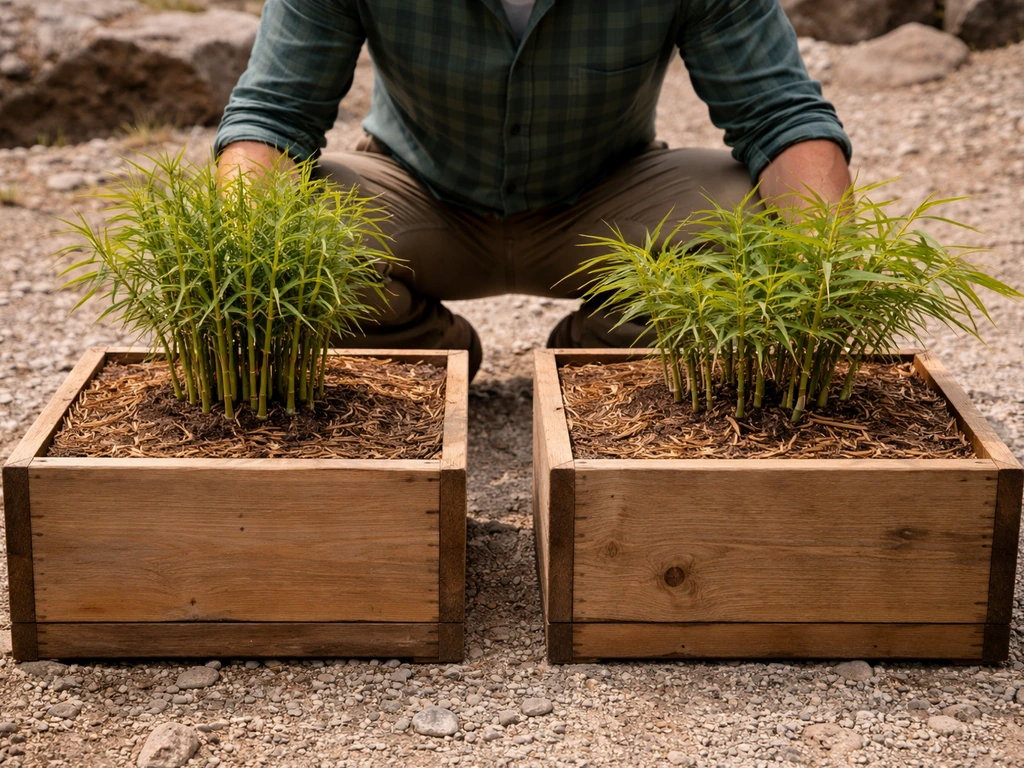
| Factor | Clumping bamboo | Running bamboo |
|---|---|---|
| Rhizome spread | Tight, compact — stays close to parent plant | Wide-spreading — can travel several feet per year |
| Root/rhizome depth | Similar shallow range, less aggressive | Can push deeper along cracks and drainage routes |
| Suitability for rocky gaps | Good — less likely to find and exploit rock gaps | Poor — rhizomes actively seek softer pathways including rock cracks |
| Containment effort | Minimal, self-limiting | Requires barriers at 24–30 inch depth, regular inspection |
| Growth rate in limited soil | Slower but steady | Can stall badly if soil volume is restricted |
| Best use in rocky sites | Rock gardens, between boulders, decorative plantings | Only if fully contained with proper barriers; generally not recommended |
If you're working with a rocky site and want to keep management simple, clumping bamboo is the clear choice. Fargesia species are cold-hardy, genuinely clumping, and do well in constrained soil conditions. If you're in a warmer climate (USDA zones 8 and above), Bambusa species offer similar clumping habits with impressive size. Running types like Phyllostachys can work in rocky areas if you're willing to install proper barriers, but the combination of rocky ground and running rhizomes creates real containment headaches when rhizomes find their way along cracks and drainage channels.
The bottom line on bamboo and rocks
Bamboo is tougher than it looks, but it's not magic. It can absolutely establish and thrive in a rocky site, provided you give it real soil to grow in, keep it consistently watered during establishment, mulch it well, and choose the right type. However, if you are asking about lucky bamboo, treat it differently, because these plants are grown and cared for as indoor stems, not outdoor hardy bamboo in rocky soil. The rocks themselves are neutral. What kills bamboo in rocky conditions is the dryness, the lack of organic matter, and the physical limitation on rhizome expansion. Fix those three things and the rocks become scenery rather than obstacles.
FAQ
How do I tell if my “rocky” spot has enough real soil for bamboo?
Check for at least one workable planting pocket, ideally 12 to 18 inches of loose, amended growing medium without hitting solid bedrock. If you can only get a shallow pocket (for example, 2 to 6 inches) and the rest is gravel or impenetrable rock, in-ground planting will usually fail unless you switch to a raised bed or large container.
Can I plant bamboo in gravel or decomposed granite and top-dress with soil later?
Topping it up later usually is not enough, because rhizomes need a continuous zone they can move through and draw nutrients from. If the base is mostly gravel, mix quality compost and potting soil into the planting pocket at the start, then mulch heavily to prevent the top layer from drying out.
What’s the best bamboo type for rocky conditions, clumping or running?
For rocky sites, clumping is generally safer because its rhizomes stay tighter and are less likely to exploit cracks and drainage channels. Running bamboo can be possible, but you must plan for containment (barriers and regular inspection), since rhizomes can travel along rock gaps.
Will bamboo rhizomes break through bedrock if the spot is mostly rock?
Usually no. Bamboo rhizomes are strong, but they are not designed to drill through solid bedrock. If you cannot excavate a continuous pocket of usable depth and soil volume, the more reliable approach is a raised bed or container placed on top of the rock.
How often should I water bamboo in rocks if rainfall is infrequent?
Assume faster drying and water more frequently during establishment. A practical rule is deep watering every 2 to 3 days for the first month, then adjust to once or twice per week through the first full growing season, based on how quickly the planting pocket dries.
Does mulch help in rocky ground, or will rocks make mulch useless?
Mulch is still useful because the main problem in rocky areas is dryness and low organic matter, not the rocks themselves. Use mulch that insulates and adds slow organic breakdown (for example, shredded bark or leaf compost), and keep it a bit away from the culm base to prevent rot.
Should I add fertilizer when planting bamboo into a rock pocket?
Avoid feeding at planting. Rhizomes carry stored reserves initially, and fertilizer too early can shock or burn roots, especially in fast-draining rocky mixes. Wait until after the first growing season, then use a light slow-release or compost-based feeding.
How large should the planting pocket be for bamboo between boulders?
Plan for a true pocket, not just a crack. A common workable target is an opening roughly 12 to 18 inches wide, with enough depth to reach and fill 12 to 18 inches of good growing medium, so rhizomes are not forced into side channels.
Can I grow “true bamboo” in a container that has decorative stones on top?
Yes, as long as real growing medium fills most of the container and the drainage is controlled. Decorative stones should function as mulch or top dressing, not as the main root zone, and the potting mix should be amended (for example, quality compost with perlite or coarse grit) to balance air and moisture.
Why is my bamboo stunted after planting in rocky ground even though I water it?
Stunting in year one is common in nutrient-poor or rocky conditions, but persistent slow growth often points to one of three issues: the planting pocket is too shallow, the mix lacks organic matter, or the site dries out faster than your watering schedule. Re-check pocket depth and soil volume before increasing fertilizer.
Is “lucky bamboo in rocks” the same as outdoor bamboo in rocky soil?
No. Lucky bamboo (Dracaena sanderiana) is typically grown hydroponically with submerged roots in water and physical support from pebbles. Outdoor hardy bamboo needs soil volume and consistent moisture in the root zone, so the pebbles-and-water style does not translate directly.
What’s the simplest option if my site is essentially solid rock?
Use a raised bed or large container filled with proper soil. If you cannot excavate at least about 12 inches of usable planting depth, trying to “make it work” usually costs more time and water than building above the rock.
Next Article
Can Lucky Bamboo Grow in an Aquarium? How to Do It
Can lucky bamboo grow in an aquarium? Get step-by-step water, light, setup, timelines, and fixes for yellowing and rot.