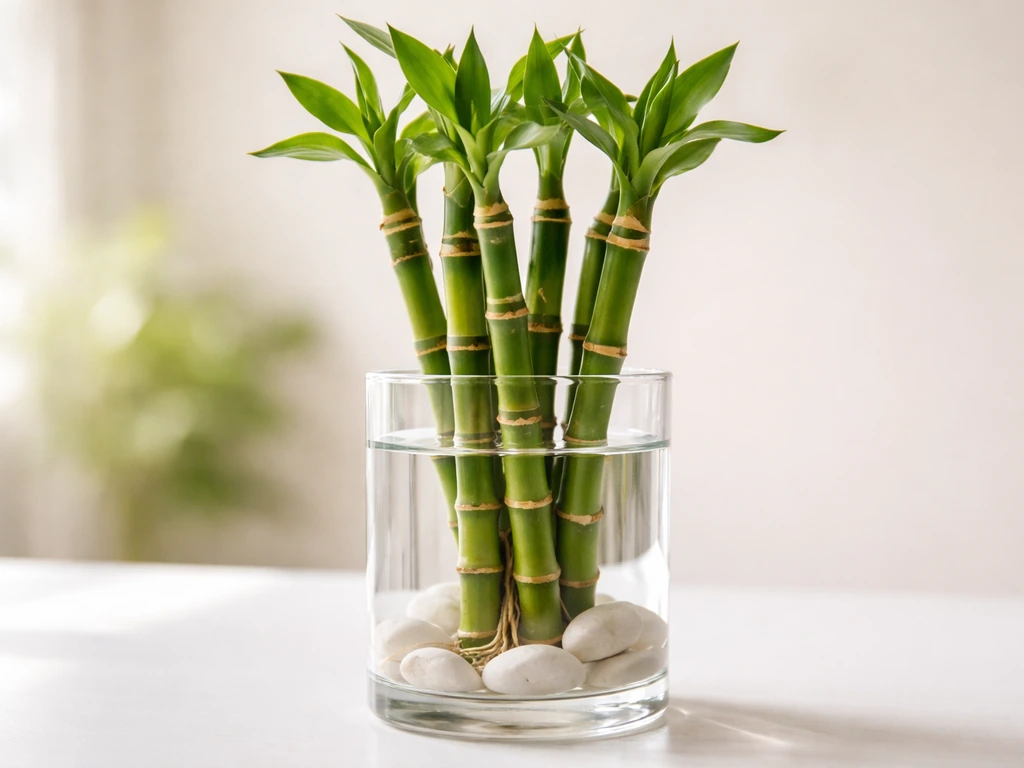
Yes, lucky bamboo (Dracaena sanderiana) can grow in an aquarium or fish tank, but with one important rule: only the roots go underwater. The canes and leaves must stay above the waterline. Lucky bamboo is not a true aquatic plant, and if you submerge the stalks, they rot within weeks. Get the water level right, keep the water clean, and give it indirect light, and it will root and grow steadily in a tank setup.
Can Lucky Bamboo Grow in an Aquarium? How to Do It

Marcus Hartwell
4 Jun 2026
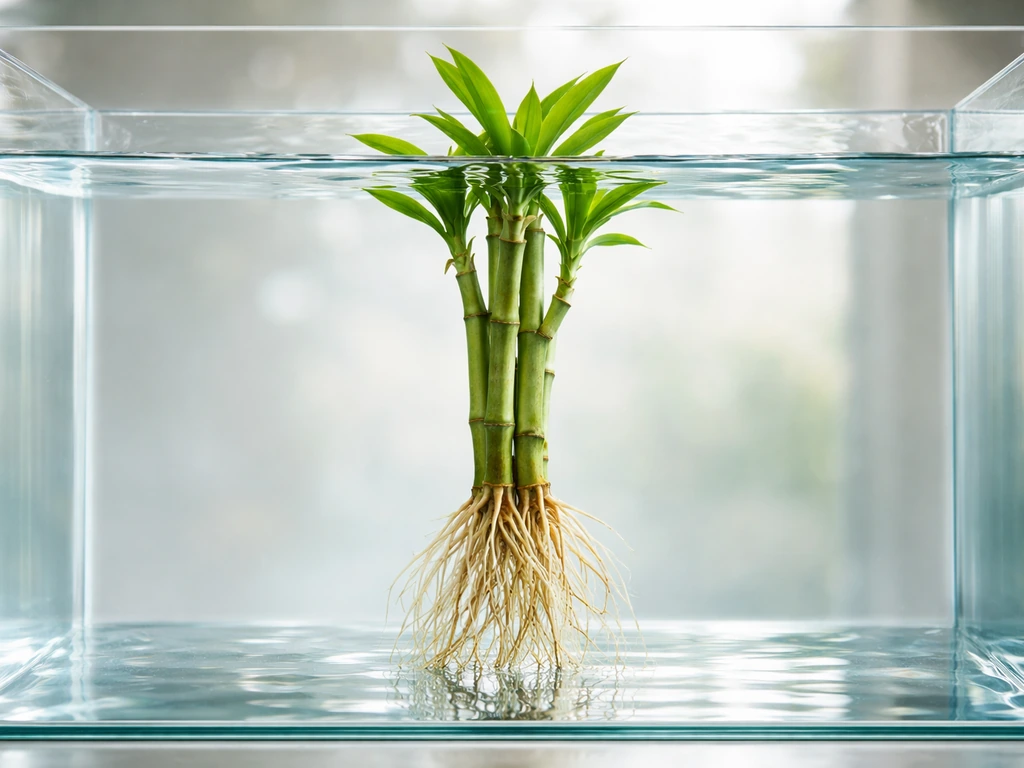
Lucky bamboo in water vs. a true aquarium: what's the difference?
Most people have seen lucky bamboo growing in a glass vase with pebbles and a few inches of water. That's essentially a mini aquarium already. The jump to a real fish tank just involves a larger water volume, possible fish, and more variables to manage. The biology is the same either way: the roots live submerged in water while the stalks and foliage live in open air. Where people go wrong in aquariums is letting the water level creep too high or placing the cuttings so the green stalk is underwater. That's a fast path to rot and a bad-smelling tank.
Growing lucky bamboo in a simple jar gives you total control over water depth and chemistry. An aquarium introduces fish waste, filtration chemicals, potential copper-based algaecides, and less predictable water parameters. Both setups work, but the aquarium version needs a little more attention. If you're already growing lucky bamboo in soil or outdoors, the water culture version is a different discipline entirely, one where water quality is the main lever you're pulling.
Best setup for a tank or container
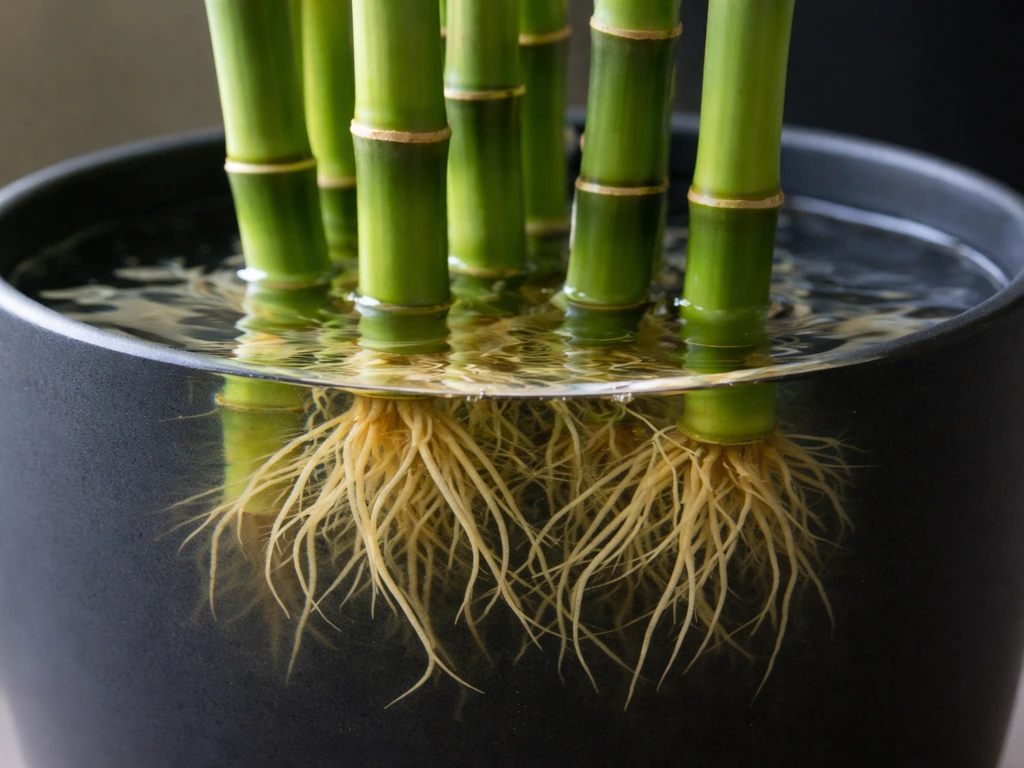
Choosing your container
Any watertight container works: a glass vase, a dedicated aquarium tank, or an opaque pot. Opaque or dark-colored containers are better because they block light from reaching the water, which slows algae growth significantly. If you use a clear glass aquarium or vase, expect more algae management. A smaller dedicated container for the plant (separate from your main fish tank) is actually the easiest approach for most people, because you control the water chemistry without worrying about what's safe for fish.
Water depth and plant positioning
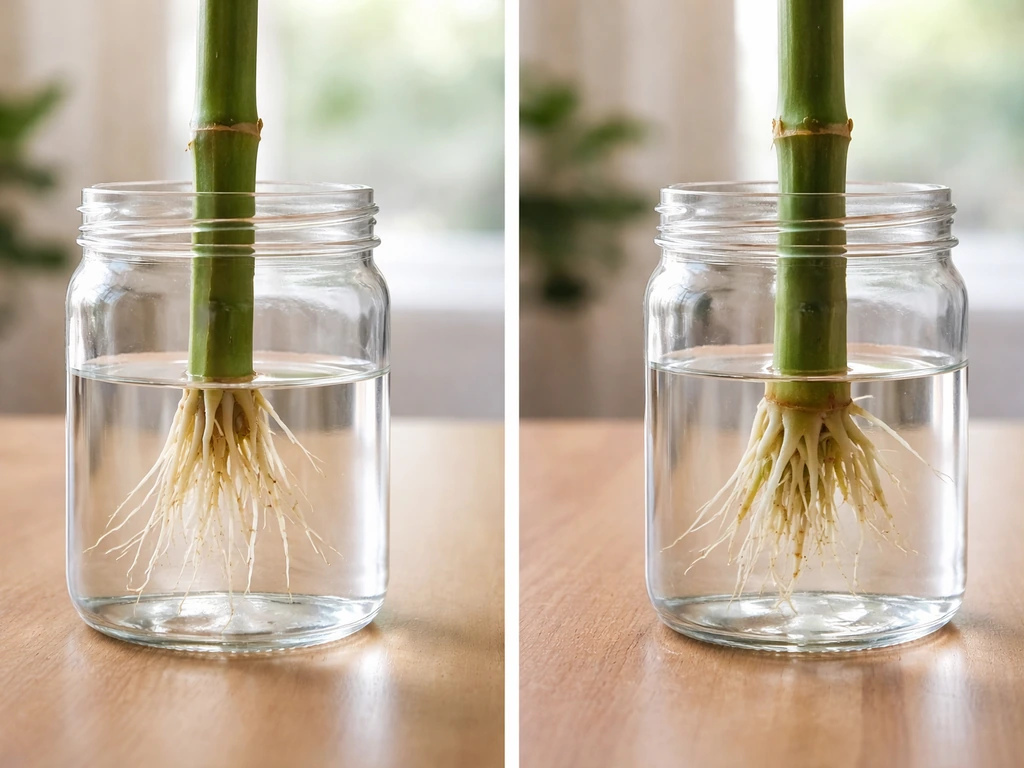
Keep the water between 1 and 3 inches deep, enough to fully cover the roots but not the stalk. No more than the bottom 1 to 2 inches of the cane should ever be in contact with water. The stalks need to be upright and stable, so use clean pebbles, aquarium gravel, or river rocks to anchor them. Because it needs a submerged root zone but an airy stalk, lucky bamboo can tolerate rock or pebble anchor setups in water culture. Rinse whatever substrate you use before adding it. The roots will grow down into the pebble layer and into the water below, which is exactly what you want.
Placement in the room
Put the container somewhere that gets bright, indirect light. A spot near a window with filtered light, or a few feet back from a sunny window, is ideal. Avoid direct sunlight hitting the water surface or the leaves: direct sun scorches the foliage and massively accelerates algae growth in the container. Room temperature should stay between 65 and 90 degrees Fahrenheit (18 to 32 C). Lucky bamboo is sensitive to cold drafts and air conditioning vents, so don't place the tank near either.
Water quality and maintenance
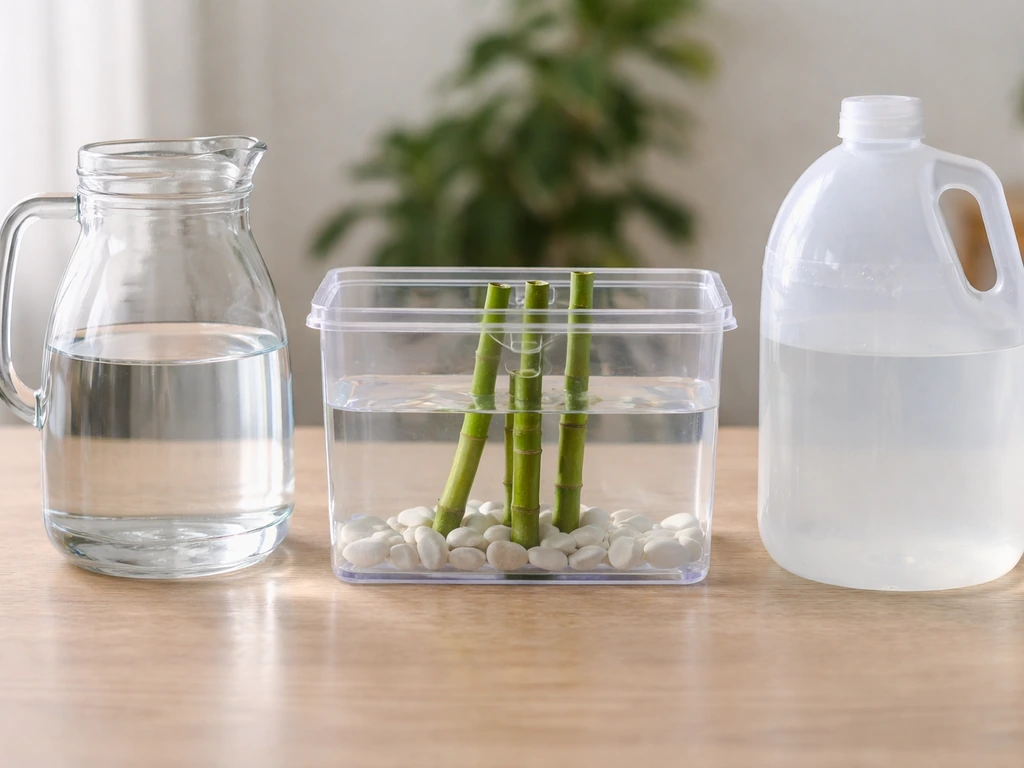
What kind of water to use
This is the single most important variable. Lucky bamboo is highly sensitive to fluoride and chlorine, both of which are common in municipal tap water. Garden Design also notes that brown leaf tips and yellowing or brown leaf tissue in dracaena can point to low humidity and fluoride sensitivity Lucky bamboo is highly sensitive to fluoride and chlorine. Fluoride buildup shows up first as brown or yellowing leaf tips and, at higher concentrations, can kill the plant. Use filtered water, distilled water, or tap water that has been left out uncovered for 24 hours to let the chlorine off-gas. If you're connected to a fish tank with a dechlorinator already treating the water, that removes chlorine, but most dechlorinators don't remove fluoride. Distilled or reverse-osmosis water is the cleanest option.
How often to change the water
Change the water every two weeks at minimum. Stagnant water is the root cause of most lucky bamboo problems: it encourages bacterial growth, creates that sulfur-like smell, and promotes fungal rot on the root zone. When you do a water change, rinse the pebbles and the container itself. If you see a slippery biofilm coating the pebble surface or the container walls, that's bacterial slime and needs to be scrubbed off before refilling. In warmer rooms, you may need to change the water weekly.
Algae control
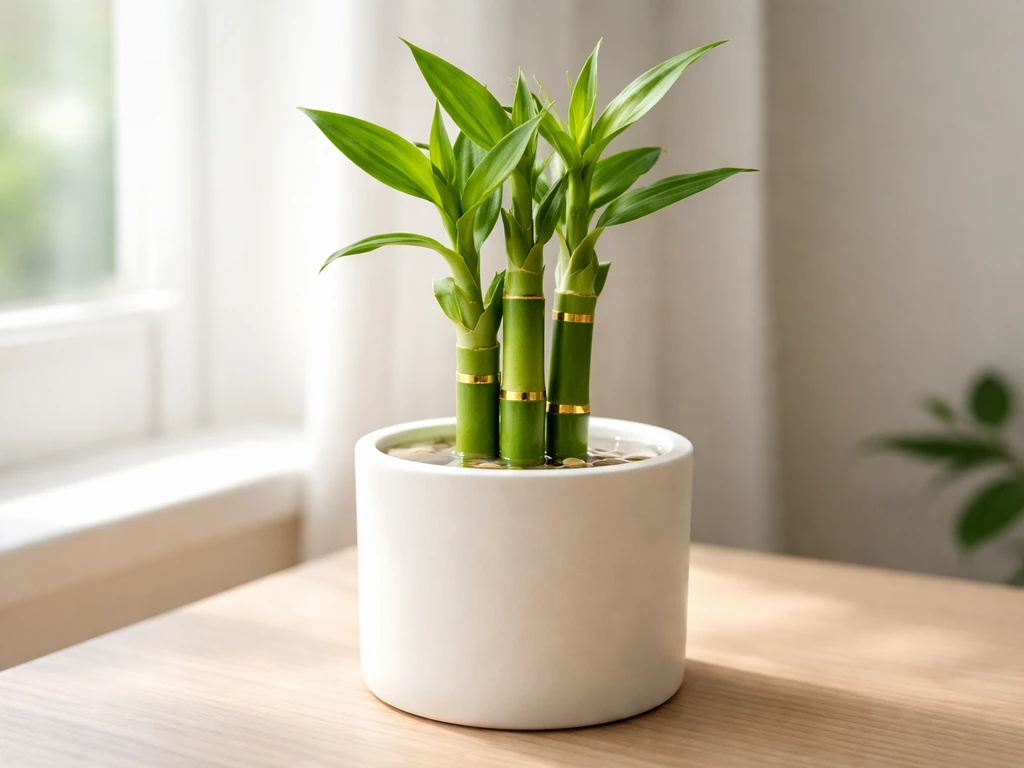
Algae grows when there's light, water, and nutrients. You control all three. Reduce light exposure to the water surface, use an opaque container, keep water changes on schedule, and avoid fertilizing heavily. Lucky bamboo has minimal fertilizer needs in water culture, and over-fertilizing feeds algae more than it helps the plant. If you're using a clear aquarium and algae keeps appearing, a diluted liquid fertilizer (one drop per gallon, once a month at most) is plenty. Never use copper-based algaecides in a container where lucky bamboo lives: copper is toxic to the plant's roots.
Light, temperature, and how fast it actually grows
Lucky bamboo grows slowly compared to true bamboo grasses. In water culture under good indirect light and stable room temperature, expect a few inches of new growth per year from established plants, sometimes a bit more in ideal conditions. Don't expect the fast, dramatic growth you'd see from outdoor running bamboo. Can lucky bamboo grow outside like true bamboo? If you're wondering whether lucky bamboo can grow in water, it can, but only the roots should be submerged and the stalks must stay above the waterline. In most climates, it does far better indoors in a controlled water or humidity setup outdoor running bamboo. The stalks you buy are typically the permanent structure, and the growth you'll notice most is new leaf shoots and a gradually expanding root mass in the water.
Light quality matters more than quantity. Bright, indirect light from a north or east-facing window, or a spot 4 to 6 feet from a south/west window, keeps the plant healthy without scorching it. Under low light, growth slows further and yellowing becomes more likely. Under direct sun, the leaves burn and the water turns green with algae within days. If your aquarium uses grow lights for aquatic plants, position lucky bamboo so it gets the ambient glow rather than direct beam exposure.
Rooting cuttings and propagating in water
Lucky bamboo is easy to propagate in water using stem cuttings, and an aquarium-style container is a perfectly good rooting setup. If you are wondering do lucky bamboo stalks grow, the good news is that with proper rooting and water depth, they will gradually grow and produce new shoots Lucky bamboo is easy to propagate in water. Here's how to do it:
- Choose a healthy stalk with at least one node (the raised ring where leaves branch off). The cutting should be 4 to 6 inches long.
- Make a clean cut just below a node using a sharp, sterilized blade. Angled cuts are fine; the goal is a clean edge, not a crushed one.
- Remove any leaves from the lower portion of the cutting so no foliage ends up underwater.
- Place the cutting upright in 1 to 2 inches of clean filtered or distilled water, with the node fully submerged and the leafy portion in open air.
- Use pebbles or gravel to hold it stable. The cutting should not be wobbling around.
- Place in bright indirect light and change the water every 10 to 14 days.
- Roots typically appear within 2 to 4 weeks. Once roots reach 1 to 2 inches long, the cutting is established and you can move it to its permanent container.
Once roots are established, the care routine is the same as for any water-culture lucky bamboo: maintain clean water at 1 to 3 inches depth, keep roots submerged, and let the stalks breathe above the waterline. You can keep propagating new cuttings the same way indefinitely, which is a nice advantage of water culture over soil-based growing.
Troubleshooting common problems
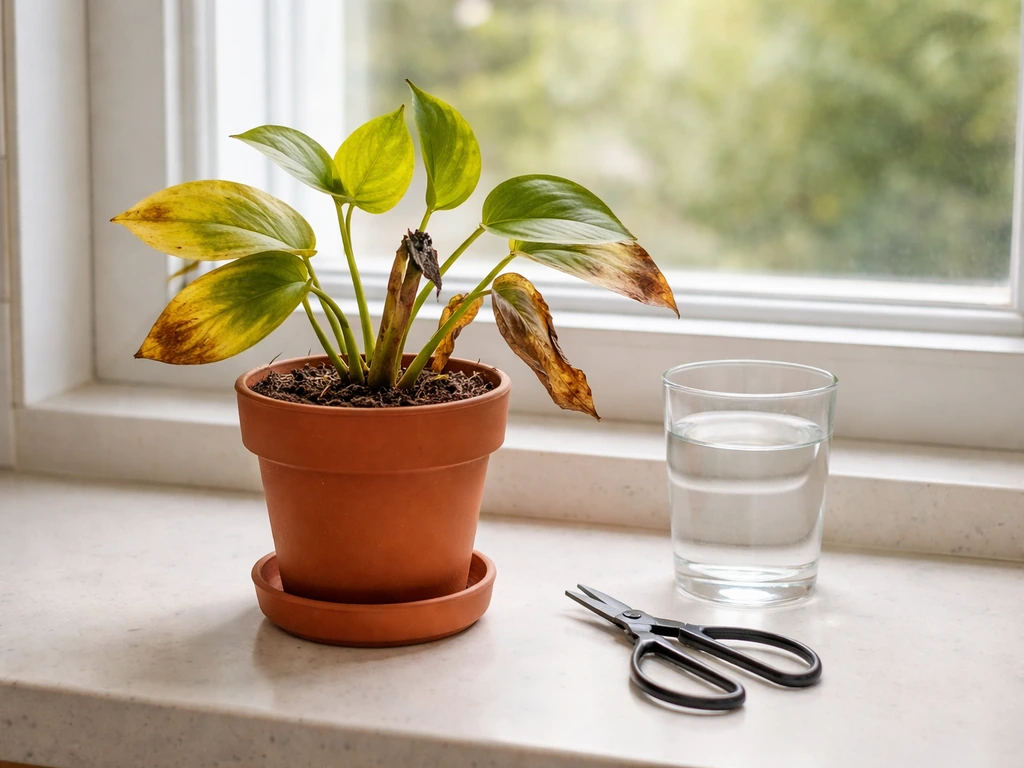
| Problem | Likely Cause | Fix |
|---|---|---|
| Yellow leaves or stalks | Fluoride or chlorine in tap water, or stagnant water | Switch to filtered or distilled water; change water every 2 weeks |
| Brown leaf tips | Fluoride sensitivity or low humidity | Use distilled water; mist leaves occasionally in dry rooms |
| Mushy or soft stalk base | Stalk submerged too deep; rot setting in | Raise water level so only roots are submerged; trim rotted section with clean blade |
| Bad smell from container | Bacterial buildup from stagnant water | Full water change, scrub container and pebbles, refill with fresh clean water |
| Slime on pebbles or container walls | Bacterial or algae biofilm | Remove pebbles, scrub with mild soap or diluted bleach, rinse thoroughly before reuse |
| No roots after 4+ weeks | Insufficient node submergence or poor water quality | Confirm node is underwater; refresh water and move to brighter indirect light |
| Algae bloom (green water) | Too much light hitting the water | Move away from direct light; switch to opaque container; reduce or eliminate fertilizer |
Rot is the most serious issue and the fastest one to become irreversible. If a stalk goes mushy at the base, act immediately. Cut above the mushy section (into healthy green tissue), rinse the cutting, and re-root it in fresh water. A fully rotted stalk cannot be saved. The good news is that rot almost always starts at the waterline or below it, so catching it early by doing your regular water changes means you'll spot it before it takes the whole plant.
Can you keep lucky bamboo with fish?
Technically yes, but it's complicated enough that keeping the plant in a separate container is the smarter move for most people. Here's the issue: fish tanks involve water conditioners, pH adjusters, fertilizers, algaecides, and medications, any of which can harm lucky bamboo. Copper-based treatments, which are common for ich and other fish diseases, are particularly damaging to plant roots. On the flip side, decaying lucky bamboo roots or rotting plant tissue can spike ammonia in a tank and harm fish.
If you want to combine them, position lucky bamboo so only the very bottom root tips reach into the tank water, with the bulk of the root mass and the entire stalk above the waterline. Hardy fish like bettas and goldfish can coexist with lucky bamboo in a stable, well-maintained tank, but you need to be vigilant. Never add copper-based medication to a tank that has lucky bamboo rooted in it, and watch the roots closely for rot, because in a fish tank you can't see the early warning signs as easily as you can in a clear vase.
For most hobbyists, the easiest setup is a separate container dedicated to the plant, sitting next to (or on top of) the aquarium, using the same dechlorinated water you'd use for water changes. You get the aesthetic, zero risk to your fish, and full control over the plant's water chemistry. It's a much cleaner arrangement.
What to realistically expect long-term
Lucky bamboo in a properly maintained water setup can live for years and even decades. The main thing that kills it in aquarium or water culture setups is not neglect in the traditional sense: it's chemistry. Tap water fluoride, stagnant water, and submerged stalks are the three killers. Nail those three things and the plant is genuinely low-maintenance. You're looking at a water change every couple of weeks, a quick pebble rinse, and topping off with distilled or filtered water between changes. That's the whole routine. The plant won't shoot up dramatically like outdoor bamboo does, but it'll hold its shape, push out new leaves, and stay green and healthy for a long time.
FAQ
Can I keep lucky bamboo in my main fish tank instead of a separate container?
Yes, but only if the setup is tightly controlled. Ensure only the bottom root tips reach the tank water, keep the stalk fully above the waterline, and avoid any copper-based medications or algaecides. Also expect extra monitoring because you cannot easily catch early rot in roots the way you can in a clear vase or dedicated container.
What water should I use if I do not have distilled water?
Use filtered water, or tap water that has sat uncovered for about 24 hours to let chlorine dissipate. This reduces chlorine but not fluoride, so if you notice repeated brown or yellow leaf tips, switch to reverse osmosis or distilled water for better long-term stability.
How do I know if the water depth is correct?
Aim for about 1 to 3 inches of water, enough to fully cover the roots but not the cane. As a rule, no more than the bottom 1 to 2 inches of the cane should touch water. If the green stalk starts to stay wet along its length, trim back the water level or re-anchor the plant higher.
Should the container be clear or opaque?
Opaque or dark-colored containers generally work better because they limit light reaching the water, which slows algae. If you use a clear glass aquarium or vase, plan on more frequent algae control, mainly by reducing light exposure and maintaining your water change schedule.
How often do I need to change the water, and what if I forget?
Change the water at least every two weeks, and weekly in warmer rooms where bacterial growth is faster. If you miss a change, smell the water and inspect for slime, a sulfur-like odor, or softening at the base. Those are signals to do an immediate water change and possibly re-root affected cuttings.
Why does my lucky bamboo get brown tips or yellow leaves?
The most common causes in aquarium setups are fluoride or chlorine exposure and occasional temperature stress. Brown or yellow tips often appear first with fluoride buildup. If you have ruled out light scorch and water level mistakes, switch to distilled or reverse osmosis water for refill cycles.
Can I use aquarium fertilizer or liquid plant food?
You usually should not fertilize much in water culture. If algae is appearing, skip fertilizer and focus on lowering light and improving water change hygiene. If you still want to feed, use a very diluted approach and only sparingly (for example, once a month at most), because excess nutrients often fuel algae more than plant growth.
Is it safe to use algae control products like algaecides?
Avoid copper-based algaecides in any container where lucky bamboo is growing. Copper can damage the roots and accelerate decline. For algae, prefer non-chemical management like opaque containers, indirect light placement, and consistent water changes.
What is the fastest way to save lucky bamboo if the base starts rotting?
Act immediately if the base becomes mushy. Cut above the mushy tissue into healthy green, rinse the cutting, and re-root it in fresh water with correct depth. A fully rotted stalk cannot be saved, so removing the affected portion quickly is critical.
How do I anchor the stalk so it stays above waterline?
Use clean pebbles, aquarium gravel, or river rocks to hold the canes upright. The goal is stability without letting the cane sit underwater. If the plant shifts or sinks after water changes, re-position the rocks and ensure the stalk does not rest at the water surface.
Can lucky bamboo grow faster with grow lights or brighter light?
More light is not always better. Provide bright, indirect light, and avoid direct beams on the leaves or the water surface. If leaves burn or the water turns green quickly, reposition the plant or reduce exposure time, since algae and scorch both accelerate under direct sun.
Will lucky bamboo eventually outgrow a small jar or small aquarium setup?
It grows slowly, but the root mass expands over time. If you see roots filling the container or the plant becoming unstable, transplant into a larger dedicated container so you can maintain the correct water depth and keep the stalk safely above the waterline.
Can lucky bamboo be propagated in an aquarium-style setup?
Yes. Stem cuttings can root in water as long as only the roots are submerged and the cane stays above the waterline. Once roots form, continue the same routine, clean water at 1 to 3 inches depth, and disciplined water changes to prevent bacteria and rot.
Next Article
Do Lucky Bamboo Plants Grow? How to Make It Thrive
Learn if lucky bamboo grows, what it is, and how to grow new shoots using water, light, temperature, and humidity.