Yes, lucky bamboo stalks do grow. They push out new leaves from the top of each cane, and with good conditions, you can also get new side shoots. But there's a catch worth knowing upfront: what's sold as "lucky bamboo" isn't bamboo at all. It's Dracaena sanderiana, a tropical cane plant from Central Africa. Once you understand what you're actually growing, getting it to grow well becomes a lot easier.
Do Lucky Bamboo Stalks Grow? How to Grow Them Step by Step
Marcus Hartwell
9 Jul 2026
Lucky bamboo is not bamboo (and that matters)
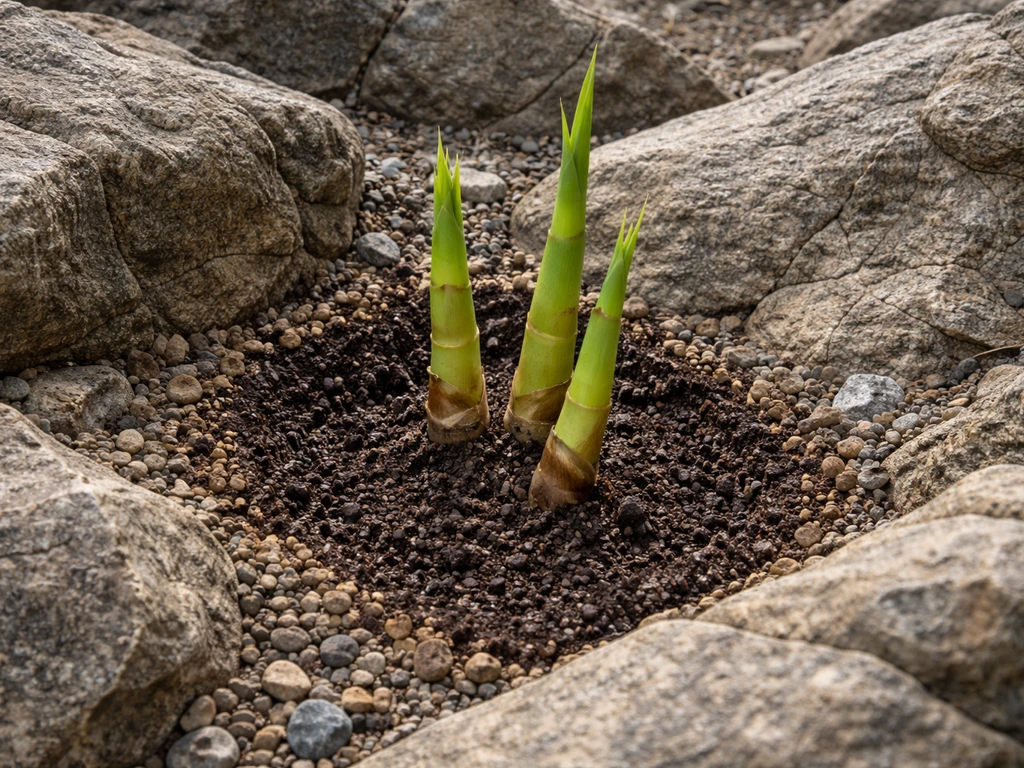
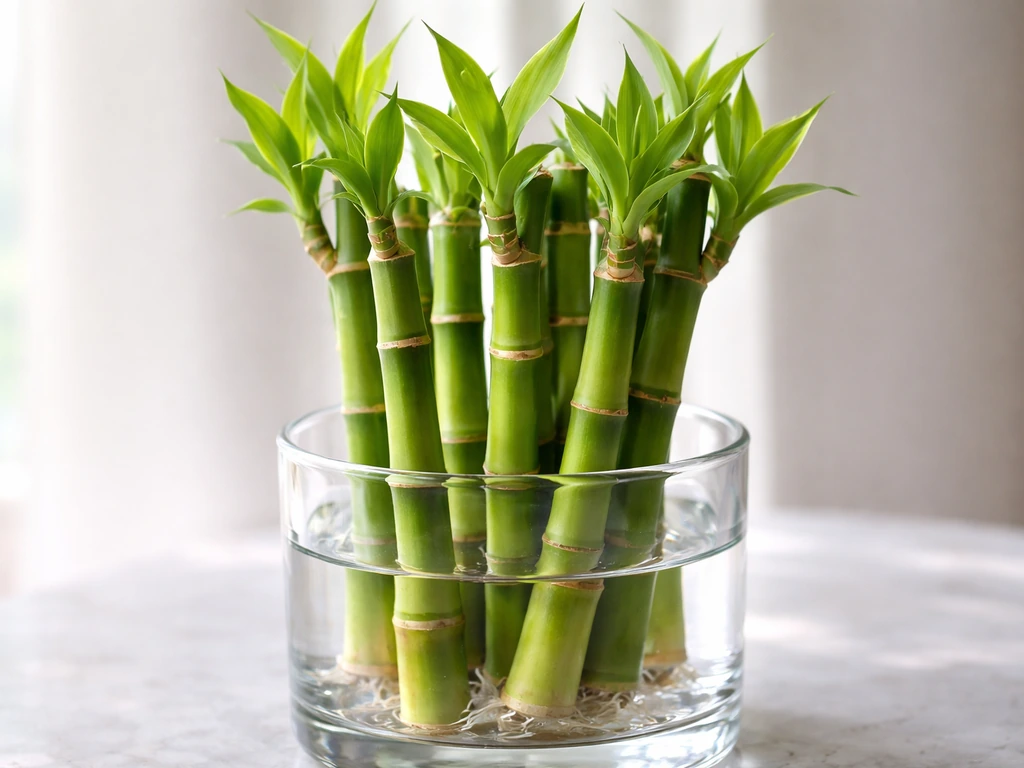
True bamboo belongs to the grass family Bambusoideae and spreads through rhizomes, sending up new culms from the ground. Lucky bamboo is Dracaena sanderiana, a completely different plant that just happens to have bamboo-like green canes. It's related to corn plants and other dracaenas you'd see in a doctor's waiting room, not to any bamboo species. This distinction matters because people often expect lucky bamboo to behave like bamboo and send up new stalks from the soil. If you're wondering about unusual growing mediums like rocks, it's usually a bad idea for lucky bamboo unless you can provide stable moisture and appropriate rooting conditions. That's not how it works. What you'll actually see is leaf growth from the top of existing canes, and potentially new side shoots if a cane is cut. You can grow new rooted plants from cuttings, which is the equivalent of propagation. So the growth is real, just different from what the name suggests.
The ideal setup for lucky bamboo to actually grow
Lucky bamboo is forgiving, but it grows best when a few key conditions are met consistently. Get these right and you'll see steady leaf development. Miss them regularly and the plant just sits there, slowly declining.
Water quality and container
If you're growing in water (the most common setup), use distilled or filtered water. If you are specifically wondering about using an aquarium, stick to filtered or distilled water and keep the container clean to prevent root burn and buildup using distilled or filtered water. Tap water in many areas contains fluoride and chlorine that accumulate in the roots and burn leaf tips over time. A clear glass vase or container works well because it lets you monitor root color and water clarity. Keep the water level high enough to submerge the roots but low enough that the cane itself and leaves stay dry. Pebbles or decorative stones are useful for holding canes upright, not for any nutritional value.
Light
Bright, indirect light is the sweet spot. A spot a few feet back from an east or north-facing window works great. Direct sun, especially through south- or west-facing windows in summer, destroys chlorophyll and causes yellowing fast. On the other end, very low light won't kill the plant immediately but will slow or stop new growth. Think of the light level you'd find in a well-lit office or a living room with decent natural light, not a dark corner.
Temperature
Keep the plant between 70 and 80°F (21 to 27°C) for best growth. UF/IFAS interiorscape guidelines for Dracaena sanderiana specifically recommend this range. Avoid placing the plant near air conditioning vents, drafty windows, or exterior doors in winter. Cold drafts are a common but overlooked reason why lucky bamboo stops growing or starts dropping leaves.
Soil (if you're going that route)
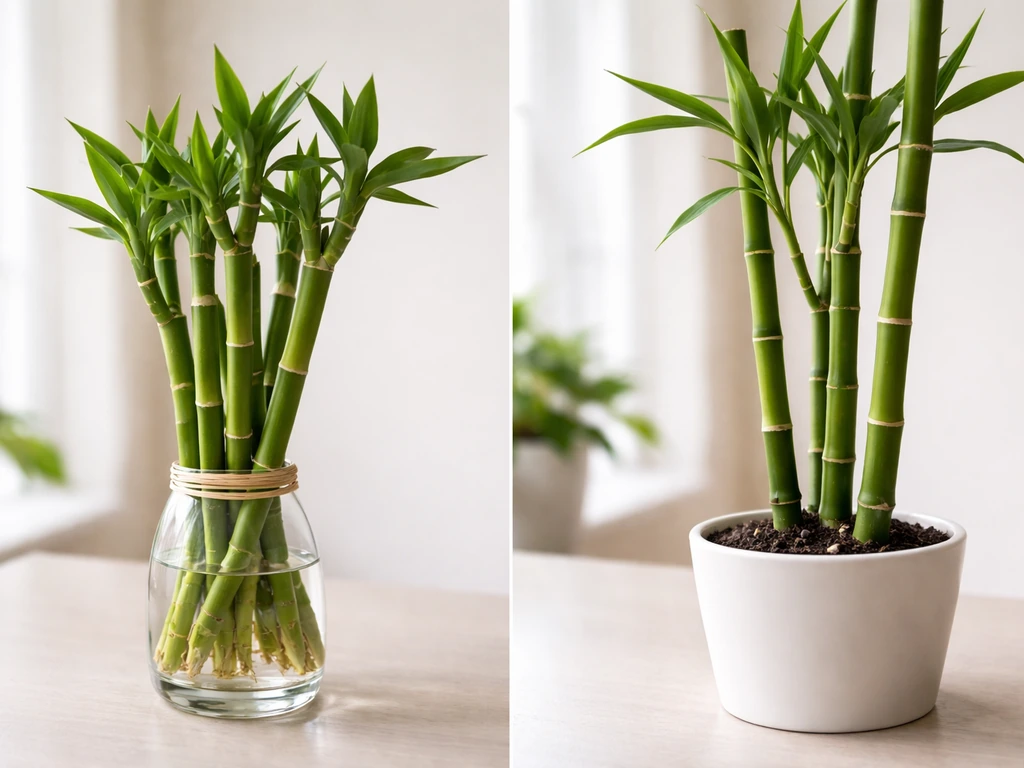
Lucky bamboo can absolutely grow in soil, and many growers find it does better long-term in a well-draining mix than in water alone. A cactus mix or standard potting soil cut with perlite or coarse sand gives good drainage and air exchange around the roots. The worst thing you can do in soil is let it stay waterlogged. Choose a container with drainage holes, no exceptions.
How to grow lucky bamboo step by step
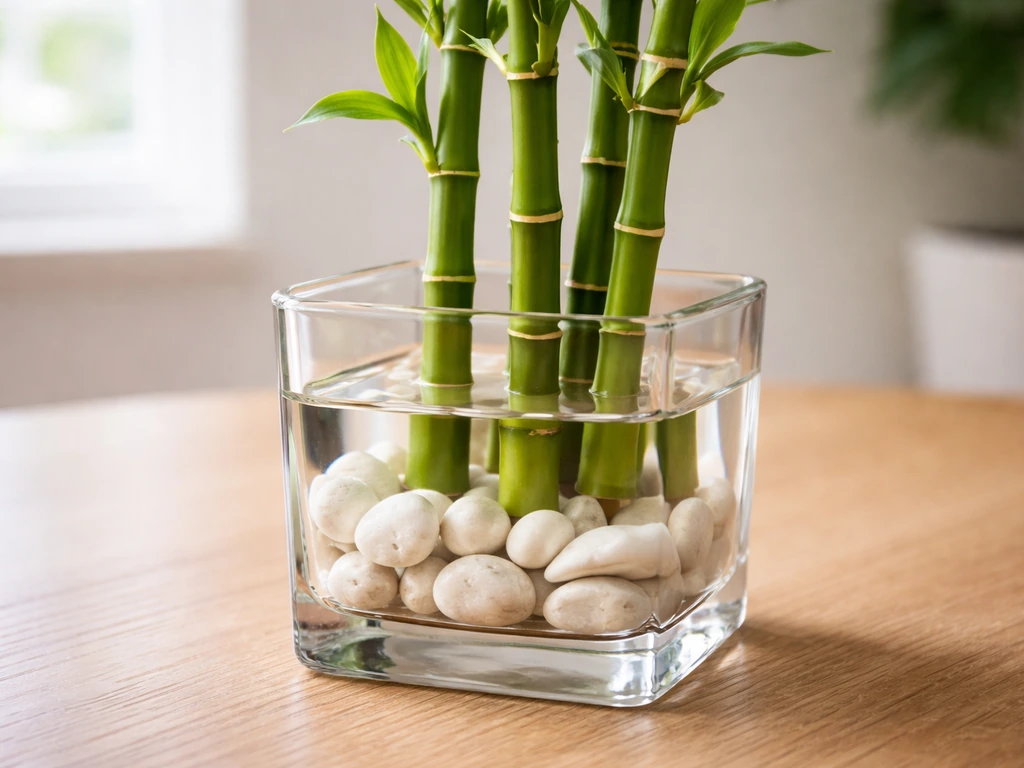
Starting from a store-bought stalk in water
- Choose a container that fits the stalk(s) with a bit of room and fill the bottom 2 to 3 inches with clean pebbles for support.
- Fill with distilled or filtered water to just above the pebbles, enough to keep the roots (or base of the stalk if there are no visible roots yet) submerged.
- Place in bright, indirect light. Avoid windowsills with direct afternoon sun.
- Change the water completely every 1 to 2 weeks. Don't just top it off. Empty it, rinse the container and roots gently, and refill with fresh filtered water.
- Once every month or two, add a very dilute liquid fertilizer (a drop or two of a balanced liquid fertilizer in the whole container is enough). Lucky bamboo in water has no soil nutrients to draw from, so a small boost helps.
- Watch the top of the cane for new leaf buds, which is your first sign of active growth.
Propagating new plants from cuttings
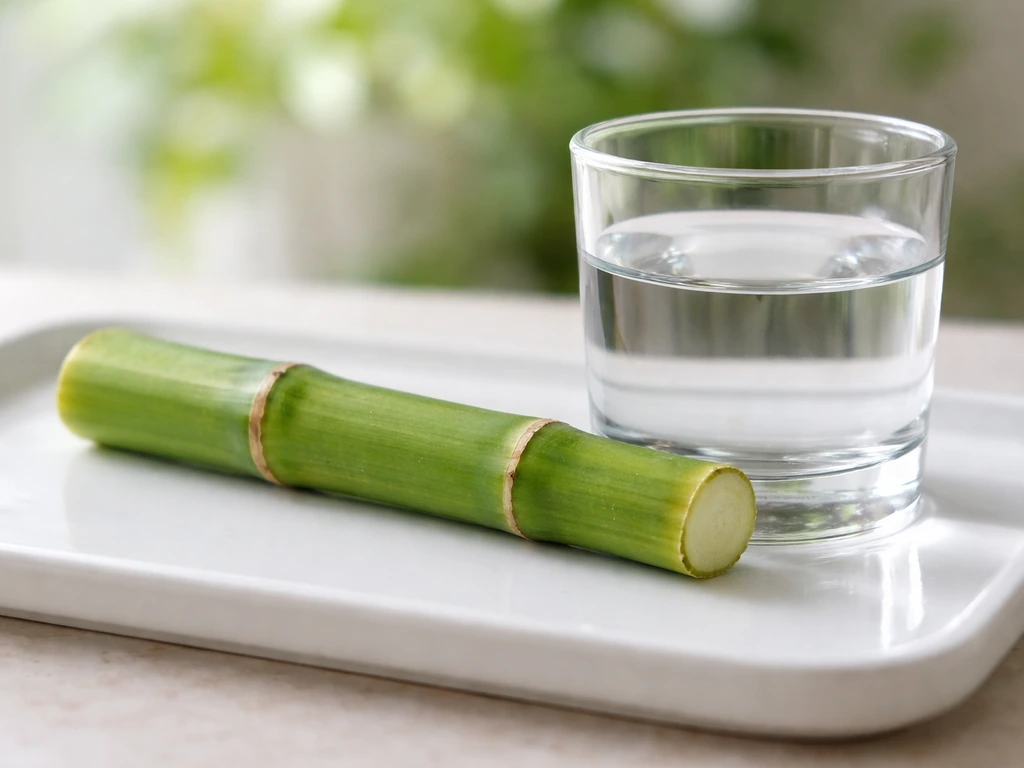
If you want to grow additional lucky bamboo plants, stem cuttings are the way to go. Cut a healthy cane section about 4 to 6 inches long with at least two nodes, cutting about 1/4 to 1/2 inch above a leaf node. Strip the leaves off the lower half of the cutting so they don't rot in water or propagation media. You can dip the cut end in rooting hormone (optional but it can speed things up), then place it either in a clean glass of filtered water or in a moist mix of sand, perlite, or vermiculite. Roots typically appear within a few weeks. Once roots are an inch or more long, you can move it to its permanent container in water or soil.
What to expect: growth rate and timelines
Lucky bamboo is not a fast grower. If you're expecting bamboo-speed growth, this plant will disappoint. With good light, clean water, and occasional fertilizing, most growers start seeing new leaf buds and small leaf growth within about 4 to 8 weeks. Over the course of several months, you might see the cane extend a few inches and push out a full new leaf cluster. After about a year in good conditions, a single cane can grow to around 2 to 3 feet tall, though UF/IFAS notes D. sanderiana tends to be single-stemmed and doesn't reliably stay upright much beyond that height without support.
Growth is slower in winter (lower light, cooler temps) and faster in spring and early summer. If your plant hasn't produced a single new leaf in two or three months, that's a signal something is off, usually light or water quality, not just slowness.
| Timeframe | What you should see |
|---|---|
| 2 to 4 weeks | Root development on new cuttings; possible new leaf buds on established canes |
| 1 to 2 months | Small new leaves emerging from cane tops; roots lengthening in water |
| 3 to 6 months | Visible cane elongation; fuller leaf clusters; side shoot possible if cane was cut |
| 6 to 12 months | Noticeable height increase (several inches); mature look in good light conditions |
| 1 to 2 years | Plant may reach 2 to 3 feet; time to evaluate water vs. soil long-term setup |
Why your lucky bamboo isn't growing (and what to do about it)
Yellow stalks or leaves
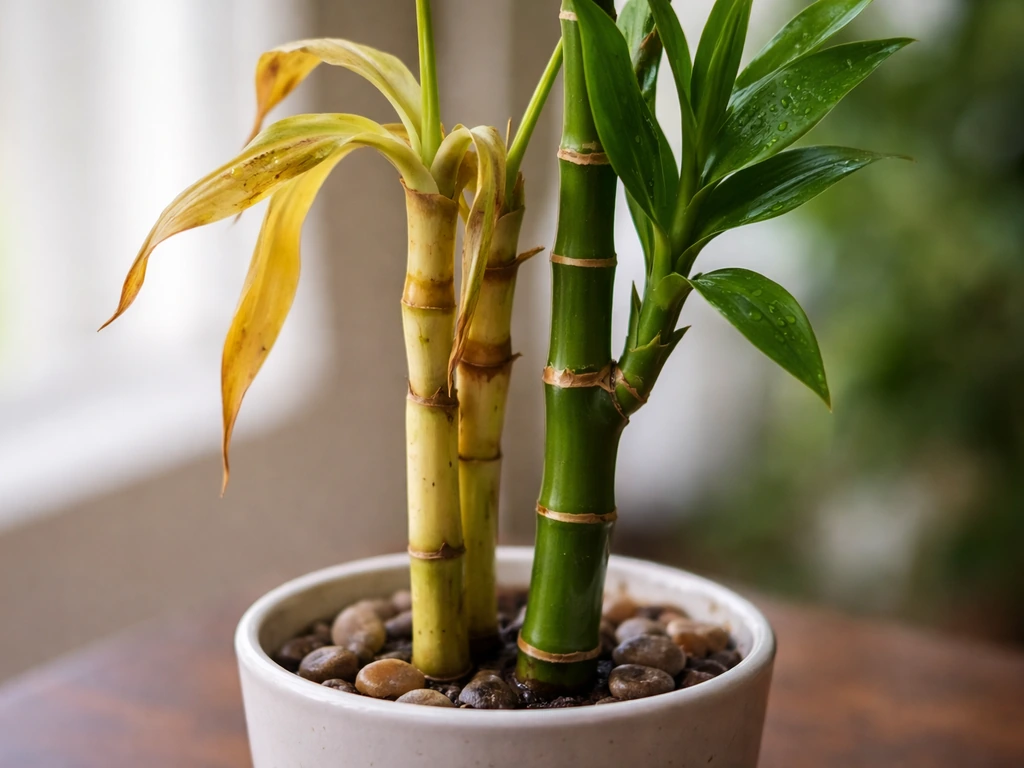
Yellow is the most common complaint and it has a few causes. Too much direct light destroys chlorophyll and yellows leaves quickly. Fluoride or chlorine in tap water causes yellowing at the leaf tips and edges. Overwatering or standing in stagnant water causes root rot, which produces yellowing leaves paradoxically even when the water level looks fine. Check all three before assuming the worst. If the cane itself is turning yellow (not just the leaves), that's more serious and usually points to rot in the cane. A yellow cane won't recover. Remove it before it spreads to healthy ones.
Mushy or rotting roots and stalks
Mushy, brown, or slimy roots are root rot, plain and simple. In water-grown plants, this happens when water isn't changed frequently enough, allowing bacterial buildup. Trim off any black or mushy root sections with clean scissors, clean the container thoroughly, and restart with fresh filtered water. In soil-grown plants, mushy soft sections in the stalk or crown mean the same thing: overwatering with poor drainage. Let the soil dry out more between waterings and make sure the container drains.
Drooping or no new growth
Drooping usually comes down to one of three things: root rot (even in wet conditions, rotting roots can't deliver water properly, causing wilting), cold drafts, or extreme light stress. If none of those apply and the plant just looks stalled, check fertilizer. Water-grown lucky bamboo with no fertilizer input for months can stall out simply from nutrient depletion. A tiny dose of diluted balanced liquid fertilizer every 4 to 6 weeks can restart slow or stalled growth.
Common problems at a glance
| Problem | Most likely cause | Fix |
|---|---|---|
| Yellow leaf tips | Fluoride or chlorine in tap water | Switch to distilled or filtered water |
| All-over yellowing leaves | Too much direct light or root rot | Move to indirect light; check and change water |
| Yellow or soft cane | Cane rot (bacterial or fungal) | Remove affected cane; clean container |
| Mushy roots | Stagnant water or overwatering | Trim roots, clean container, refresh water |
| Drooping despite wet conditions | Root rot reducing water uptake | Trim rotten roots, improve drainage, reduce watering |
| No new growth for months | Low light or nutrient depletion in water | Increase indirect light; add diluted liquid fertilizer |
| Brown crispy leaf edges | Low humidity or mineral buildup | Mist occasionally; use filtered water |
Moving from water to soil (and long-term care)
If you've had lucky bamboo growing in water for a year or more and want a more sustainable long-term setup, transitioning to soil is worth considering. Water-only culture works but it requires more vigilance about water changes and nutrient supplementation. In soil, the plant has a more stable nutrient base and is less prone to the bacterial issues that come with standing water.
To make the switch, plant the rooted cane into a pot with a well-draining mix (cactus soil or potting mix with added perlite works well) and keep the soil consistently moist but not wet for the first 3 to 6 weeks. The plant needs time to adapt from water-adapted roots to soil-adapted roots. Hold off on fertilizer for 4 to 6 weeks after the transition to avoid stressing new roots. After that, a balanced liquid fertilizer every month or two during the growing season is plenty.
For ongoing maintenance in either setup, the basics stay the same: bright indirect light, temperatures between 70 and 80°F, filtered water, and consistent observation. Lucky bamboo isn't high-maintenance but it does respond noticeably to neglect, especially water quality issues. If you're curious about whether it can thrive fully outdoors or in an aquarium setup, those are genuinely different growing environments with their own considerations compared to the standard indoor container approach covered here. Whether it can grow outside depends on matching its indoor-like tropical conditions, especially temperature and light thrive fully outdoors.
The bottom line: lucky bamboo stalks do grow, just on their own timeline and in their own way. Give it clean water, reasonable light, warmth, and occasional feeding, and you'll get steady leaf and cane growth over months. Push it into bad water, direct sun, or cold spots and it will sit there looking miserable. The plant is more responsive than most people give it credit for, once you stop treating it like a bamboo and start treating it like the dracaena it actually is.
FAQ
How long should I expect before I see new growth on lucky bamboo stalks?
Most plants show a noticeable change within 4 to 8 weeks under good conditions. If you see no new leaf buds after 2 to 3 months, recheck light level and water quality first, because temperature and “waiting longer” usually do not fix stalled growth by themselves.
If my lucky bamboo is in a vase, how often should I change the water?
Change the water often enough that it stays fresh and clear (buildup is what leads to bacterial root issues). As a rule, plan on frequent changes rather than “top-offs,” and always refresh the container when you trim or restart after rot.
Can lucky bamboo grow from the bottom of the stalk like true bamboo?
Not in the usual sense. With Dracaena sanderiana, growth is typically from the top of existing canes, and side shoots are more likely after cutting or making changes that affect the cane. Expect leaf and cane extension rather than new culms emerging from the base.
Why are my leaves turning yellow even though the water level looks normal?
Yellowing often points to one of three issues: direct sun damage, fluoride or chlorine buildup from tap water, or root problems from stagnant or overwatered conditions. If the cane itself turns yellow or dark, treat it as a serious rot risk and remove it before it spreads.
What’s the difference between tap water problems and overwatering problems?
Tap water problems typically show up as leaf tip or edge yellowing over time even if the plant is not sitting in heavy water. Overwatering is more likely to cause mushy or slimy roots and can trigger yellowing that starts with root or crown decline. If you only do “less watering” but keep using tap water, the yellowing may continue.
Is it safe to use rocks or gravel to support lucky bamboo in water?
Rocks can help hold canes upright, but they do not provide nutrition, and dirty stones can worsen buildup. If you use stones, rinse them thoroughly and keep the container clean, and do not rely on stones to replace proper water changes and filtered or distilled water.
Can lucky bamboo be fertilized while it is in water?
Yes, but use a diluted, balanced liquid fertilizer and apply lightly, for example every 4 to 6 weeks when growth is active. Overfertilizing in a small water volume can worsen root issues, especially if water is not changed regularly.
What should I do if only one cane is healthy and the others are failing?
Treat it as a spread prevention issue. Remove the yellow, mushy, or rotting cane sections promptly with clean tools, and restart the healthy portion using fresh filtered water or a properly draining soil setup so the problem does not keep cycling through the same water or medium.
How do I know whether my problem is cold drafts versus low light?
Cold drafts usually cause rapid leaf drop, stalling, or stress when the plant is near vents, doors, or windows in winter. Low light typically slows growth gradually, with the plant staying alive but not pushing new leaf buds.
Can lucky bamboo live outdoors?
Only if you can match tropical indoor-like conditions, especially stable warmth and light that stays bright but not harsh. In most climates, it must be kept indoors or brought in whenever nighttime temperatures drop or the plant experiences sun intensity and temperature swings.
What’s the best way to propagate lucky bamboo cuttings?
Use a healthy cane section with at least two nodes, cut cleanly a short distance above a node, strip leaves from the lower part so they do not rot, and place it in clean filtered water or a moist propagation mix (sand, perlite, or vermiculite). Roots usually appear within a few weeks, but patience is key because growth is slower than true bamboo.
When transitioning from water to soil, should I fertilize right away?
Wait about 4 to 6 weeks after potting before fertilizing. New roots need time to adapt from water conditions to soil conditions, and feeding too early can stress fresh roots and slow recovery.
Next Article
Can Bamboo Grow in Rocks Yes But Only If You Prepare
Yes, bamboo can grow in rocky spots, but only with deep, moisture-retentive planting pockets and proper drainage.