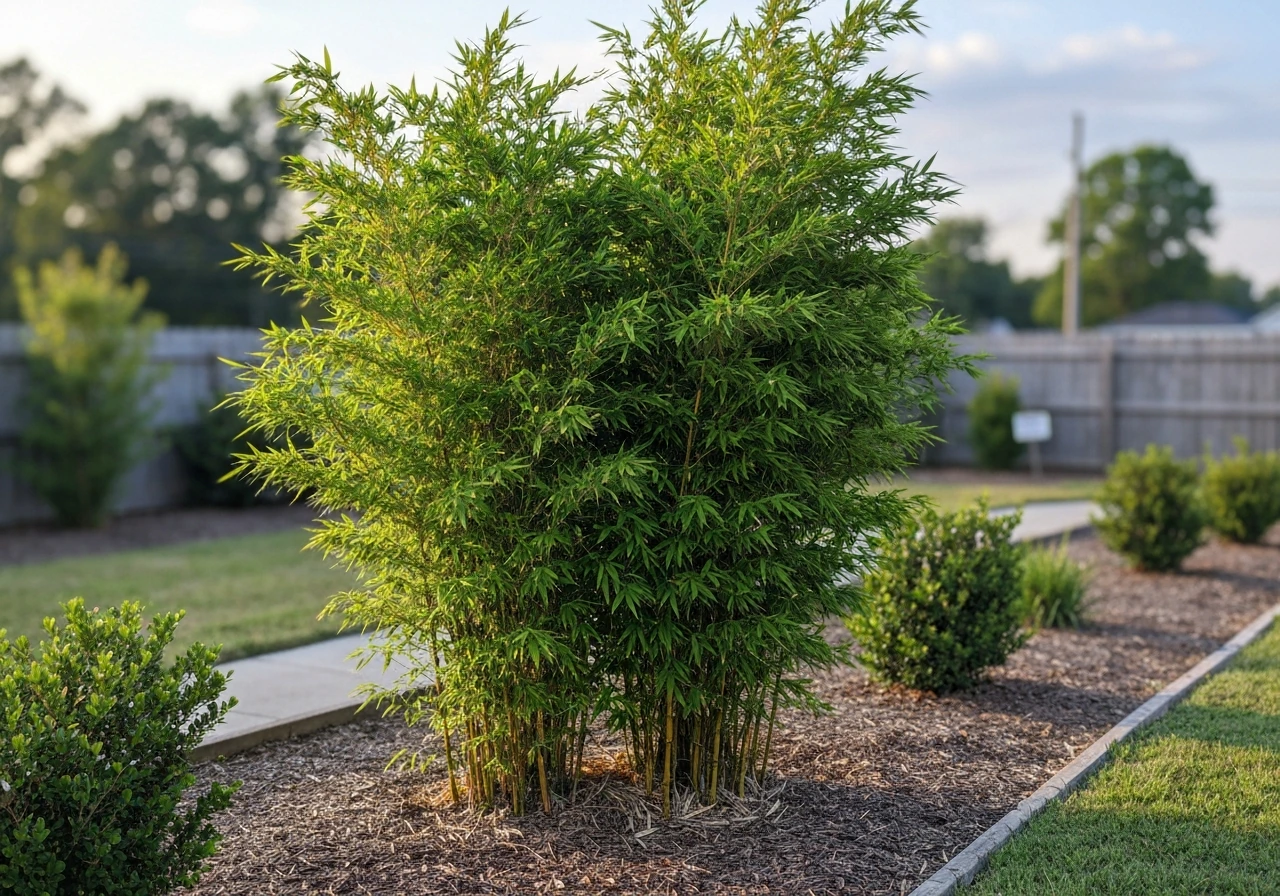
Yes, bamboo grows well in Tennessee. You can use many of the same cold-hardy choices in Georgia, but success depends on your local temperatures and winter lows Yes, bamboo grows well in Tennessee.. The state spans USDA hardiness zones 6b through 8a, which covers a wide enough range that both cold-hardy clumping varieties and many running varieties can survive and thrive here. The trick is picking the right species for your specific part of the state, managing running types with a proper barrier, and giving plants a strong start in well-drained soil. Do those three things and bamboo will reward you quickly.
Does Bamboo Grow in Tennessee? How to Plant and Care

Marcus Hartwell
28 May 2026
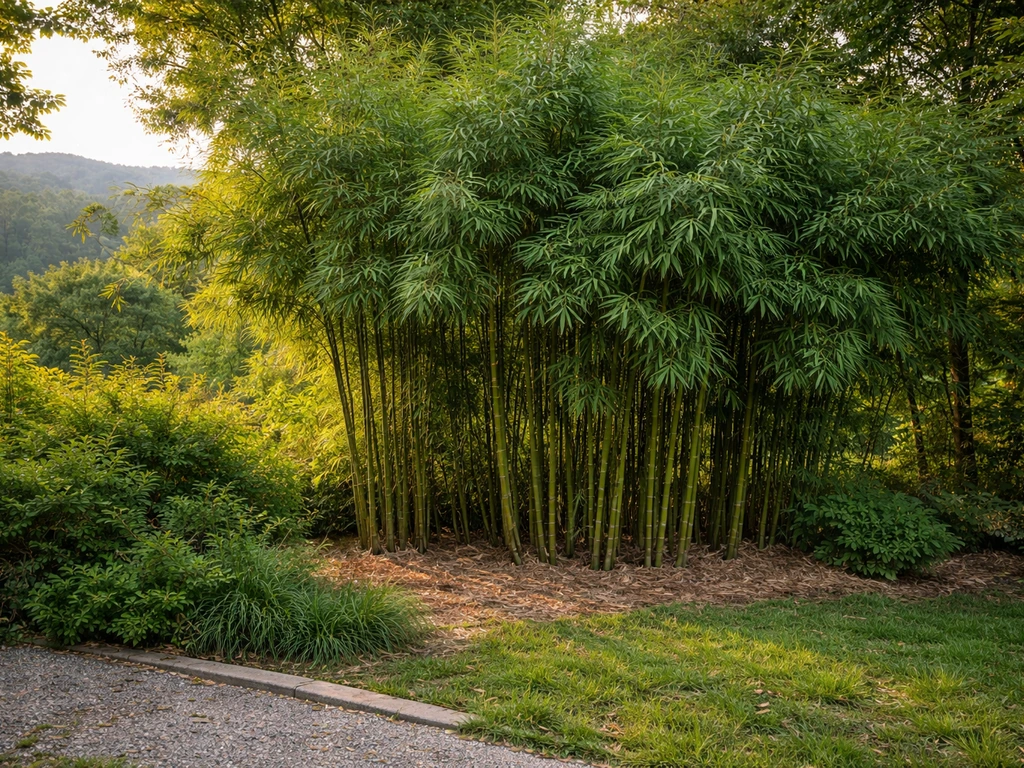
Tennessee's Climate and What It Means for Bamboo
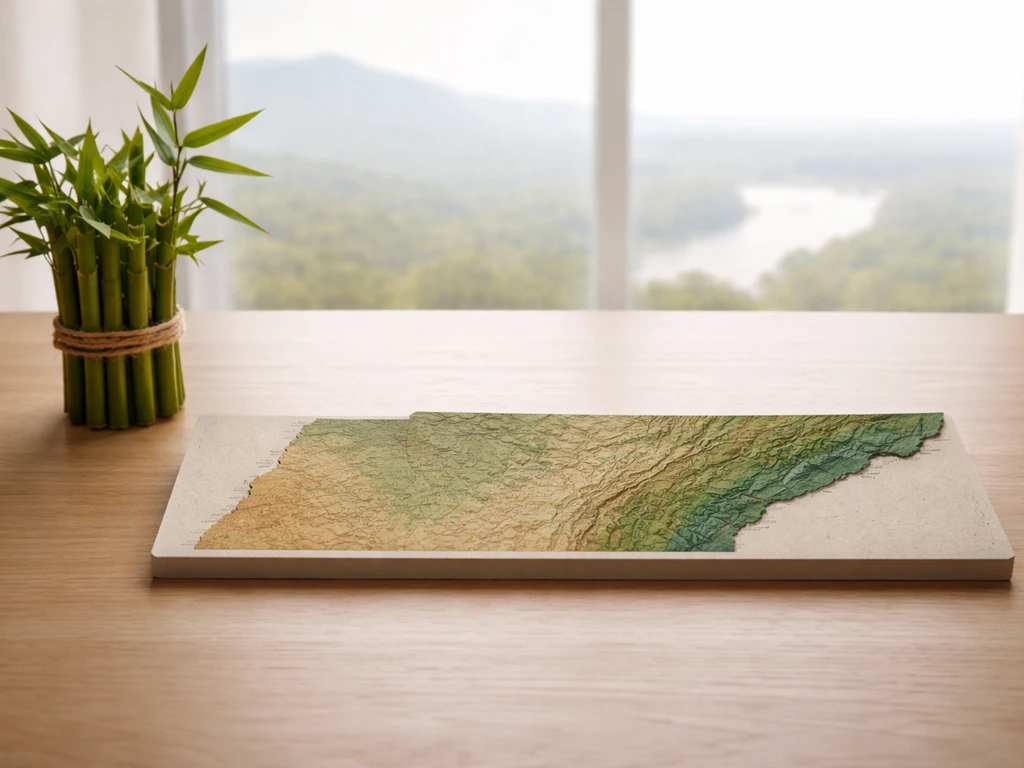
Tennessee stretches from the Blue Ridge foothills in the east to the lowlands along the Mississippi River in the west, so the climate varies significantly. The eastern mountains around the Great Smokies sit in zone 6b, where average annual extreme minimum temperatures dip to around -5°F to 0°F. Middle Tennessee, including Nashville, is mostly zone 7a to 7b (0°F to 10°F). Memphis and the far west push into zone 8a, with extreme lows between 10°F and 15°F. That range matters a lot when you're choosing bamboo, because a species that breezes through a Memphis winter might struggle in Gatlinburg.
The good news is that even in zone 6b, there are well-documented bamboo varieties that handle Tennessee winters without any special protection. Microclimates help too. A sheltered south-facing slope or a spot beside a brick wall can push your effective zone up by half a step, which opens the door to varieties that might otherwise be marginal. Keep that in mind when you're scouting locations on your property.
Which Bamboo Types Fit Tennessee Best
There are two broad categories to understand: clumping bamboo and running bamboo. They behave completely differently in the landscape, and your choice between them shapes everything from planting to long-term maintenance.
Clumping Bamboo: The Low-Drama Option
Clumping bamboo spreads slowly outward from a central crown rather than sending rhizomes racing across your yard. For most Tennessee gardeners, this is the smarter starting point. The University of Tennessee Extension specifically calls out Fargesia rufa 'Green Panda' as a variety that does well in Tennessee. It's rated hardy from zones 5 through 9, so it covers the entire state comfortably. Mature plants reach 6 to 8 feet tall and spread about 6 to 8 feet wide. It's non-invasive, cold-tolerant, and handles Tennessee's summer heat better than many other Fargesia species. If you want an ornamental bamboo that won't become a neighborhood problem, start here.
Running Bamboo: Fast Results, But Plan for Containment
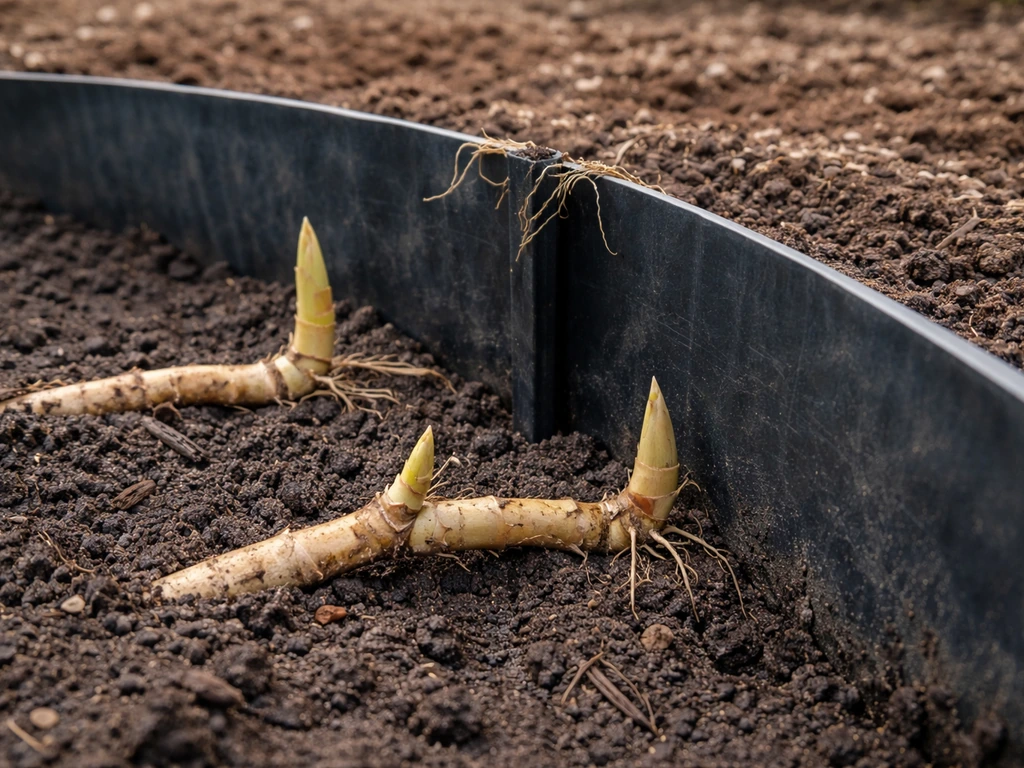
Running bamboo, mostly in the Phyllostachys genus, grows faster and taller than clumping types. Golden bamboo (Phyllostachys aurea) tolerates temperatures down to around -4°F (-18°C), which makes it winter-hardy across all of Tennessee. These varieties can create dense screens and hedges faster than almost anything else you can plant. The tradeoff is that running bamboo spreads aggressively through horizontal rhizomes. USDA-APHIS weed risk assessment material discusses the establishment and colony spread behavior of running bamboo, providing context for why containment planning matters spreads aggressively through horizontal rhizomes. Once it escapes your intended planting area, you'll be digging and pulling indefinitely. The Tennessee Invasive Plant Council notes that bamboo infestations happen where people plant it, not through natural seed dispersal, so you are fully in control of where it ends up. Use it responsibly with proper containment.
| Feature | Clumping (e.g., Fargesia rufa) | Running (e.g., Phyllostachys aurea) |
|---|---|---|
| Spread behavior | Slowly expands from center | Sends rhizomes far from parent plant |
| Cold hardiness | Zone 5–9 (entire TN) | Tolerates -4°F, suits all TN zones |
| Mature height | 6–8 ft | 15–30+ ft depending on variety |
| Containment needed | No | Yes, strongly recommended |
| Establishment speed | Moderate | Fast once established |
| Best use | Ornamental, accent, patio | Privacy screen, tall hedge |
Picking the Right Spot in Tennessee
Bamboo is not particularly fussy about sun once established, but it performs best with at least four to six hours of direct sunlight per day. Full sun produces thicker culms and faster growth. In hotter parts of the state, particularly West Tennessee and the lower Nashville basin, some afternoon shade actually benefits clumping Fargesia types since they prefer cooler conditions than running varieties.
Wind is a bigger factor than most people expect. Tennessee gets some serious wind events, especially in open fields and on ridge tops. Young bamboo establishes much better when it has some protection from prevailing winds. A wall, fence, or existing tree line to the northwest will help significantly in the first couple of years. East Tennessee gardeners in zone 6b should pay extra attention to this, since cold northwest winds compound the temperature stress on marginally-hardy plants.
Zone-by-zone, here's a practical lens: In East Tennessee (zone 6b–7a), lean toward Fargesia species and proven cold-hardy runners like Phyllostachys aureosulcata. In Middle Tennessee (zone 7a–7b), you have the widest selection and the most forgiving conditions. In West Tennessee (zone 7b–8a), almost any commercially available bamboo will handle the winters, but summer heat and drought become the main stressors.
Soil and Drainage: What Bamboo Actually Needs
Bamboo will not tolerate wet feet. Consistently waterlogged soil kills roots and invites fungal problems. Well-drained soil is non-negotiable, and this is where a lot of Tennessee gardeners run into trouble because clay-heavy soils are common across the state, especially in the Nashville basin and throughout the plateau regions. If your soil sits wet after rain for more than a day or two, you need to amend before planting or choose a raised bed or mounded planting site.
In terms of soil pH, bamboo grows best in a slightly acidic to neutral range, around 5.5 to 7.0. Tennessee soils are often naturally acidic, which generally works in your favor. If you're planting in an area with very low pH (below 5.5), work in some dolomitic limestone before planting to bring it up. A basic soil test from your county extension office will tell you exactly what you're working with and costs only a few dollars.
For heavy clay soils, mix in compost and coarse sand to improve drainage and structure before planting. A layer of organic matter worked into the top 12 inches makes a real difference in how quickly bamboo establishes its root system. Sandy soils in West Tennessee drain fast and hold nutrients poorly, so those sites benefit from added compost to improve water and nutrient retention.
How to Plant Bamboo in Tennessee: Step by Step
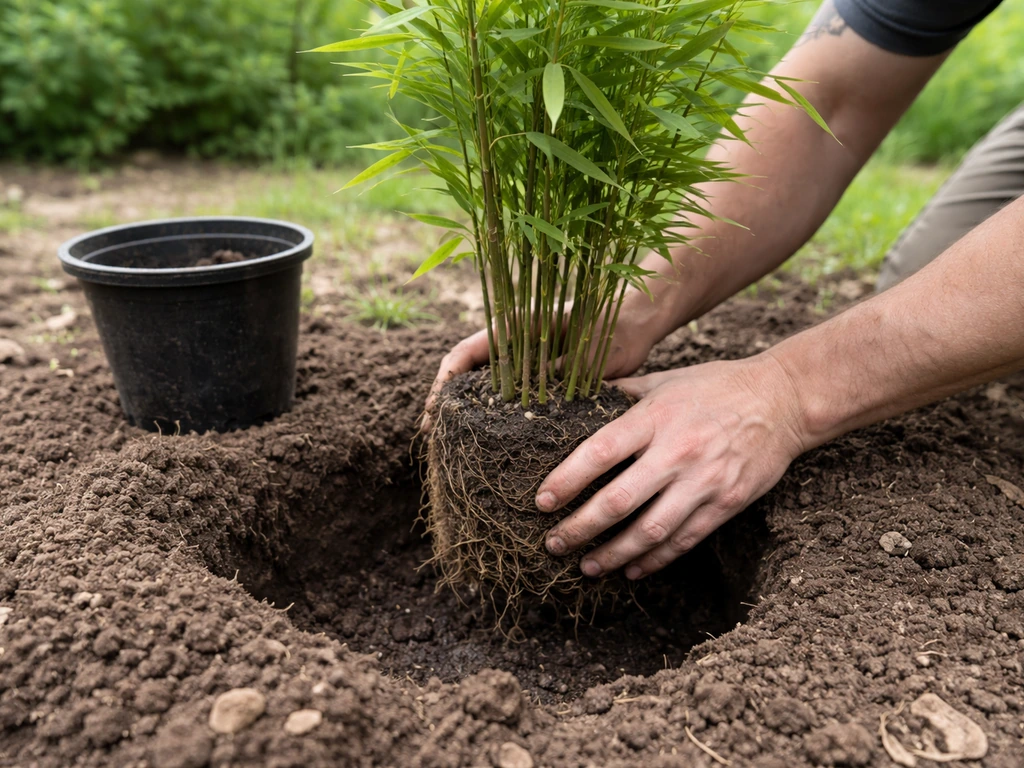
The best time to plant bamboo in Tennessee is spring after the last frost, which is typically mid-April in most of the state. This gives plants the full growing season to establish roots before facing their first winter. Early fall planting (September) also works well because the soil is still warm, but make sure plants have at least 6 to 8 weeks before the first hard frost to settle in.
- Test your soil pH and amend if needed, ideally two to four weeks before planting.
- If planting running bamboo, install a rhizome barrier before you put anything in the ground. Dig a trench around the intended planting area at least 18 to 24 inches deep. HDPE plastic barrier (60 mil thickness) is the most practical option. Leave two to three inches of barrier above the soil surface so you can see and redirect any rhizomes trying to escape over the top.
- Dig your planting hole two to three times wider than the root ball and roughly the same depth. Bamboo roots are shallow, mostly in the top 12 inches of soil, so going deeper is less important than going wider.
- Mix your native soil with compost at roughly a 50/50 ratio for backfill. If your soil drains poorly, incorporate coarse sand as well.
- Set the plant so the top of the root ball sits at or slightly above ground level. Never plant deeper than the container depth.
- Backfill halfway, water thoroughly to settle the soil around the roots, then finish filling and water again.
- Space clumping varieties like Fargesia rufa at least 4 to 5 feet apart if planting multiple plants. Running varieties can be spaced 3 to 5 feet apart for a screen, knowing they will fill the gaps within two to three growing seasons.
- Apply a 3 to 4 inch layer of mulch (wood chips or straw) out to the drip line, keeping mulch a few inches away from the base of the culms.
What to Expect for Growth in Tennessee
There is an old saying about bamboo: the first year it sleeps, the second year it creeps, the third year it leaps. That is a fair description of what happens in Tennessee. During the first growing season, most of the plant's energy goes into establishing the root system underground. You may see only a few new shoots or modest growth above ground, and that is completely normal. Do not panic and do not fertilize heavily to force growth. Let it settle.
By the second spring, you should start seeing more shoots and the clump or colony beginning to fill out. By year three, running varieties especially can put on impressive growth, with new culms reaching their full height in a single shooting season (usually late spring). Individual culms of Phyllostachys species can grow several inches per day during their peak shooting period, which typically runs April through June in Tennessee. Clumping types like Fargesia grow more slowly overall but also require less management.
Seasonally, bamboo in Tennessee essentially goes dormant in winter. Leaves may yellow or drop slightly during hard cold snaps, which is normal. New culms emerge in spring. By midsummer, growth slows and the plant hardens off for fall. Do not expect year-round active growth the way you might in Florida or Louisiana, where winters are much milder. If you are wondering does bamboo grow in Louisiana, the key difference is that milder winters change the growth pattern and care timeline Florida or Louisiana. If you're wondering does bamboo grow in Florida, you can expect different results because Florida's winters are milder and growth timing changes.
Ongoing Care, Maintenance, and Keeping Bamboo in Bounds
Watering
For the first two weeks after planting, check soil moisture daily and water deeply any time the top six inches of soil starts to dry out. After that initial period, you can back off to deep watering two to three times per week for the first growing season. Once established (usually by year two), bamboo is fairly drought-tolerant but grows noticeably better with consistent moisture. In dry Tennessee summers, especially in West Tennessee, weekly deep watering makes a real difference in culm size and overall vigor.
Fertilizing
Bamboo is a grass and responds well to nitrogen. A balanced slow-release fertilizer (something like a 10-10-10 or a lawn fertilizer with higher nitrogen content) applied in early spring and again in early summer is a good rhythm for Tennessee conditions. Avoid fertilizing after August, as late-season growth is more vulnerable to frost damage. Do not over-fertilize in the first year; you want roots, not a surge of top growth that the root system cannot support yet.
Mulching
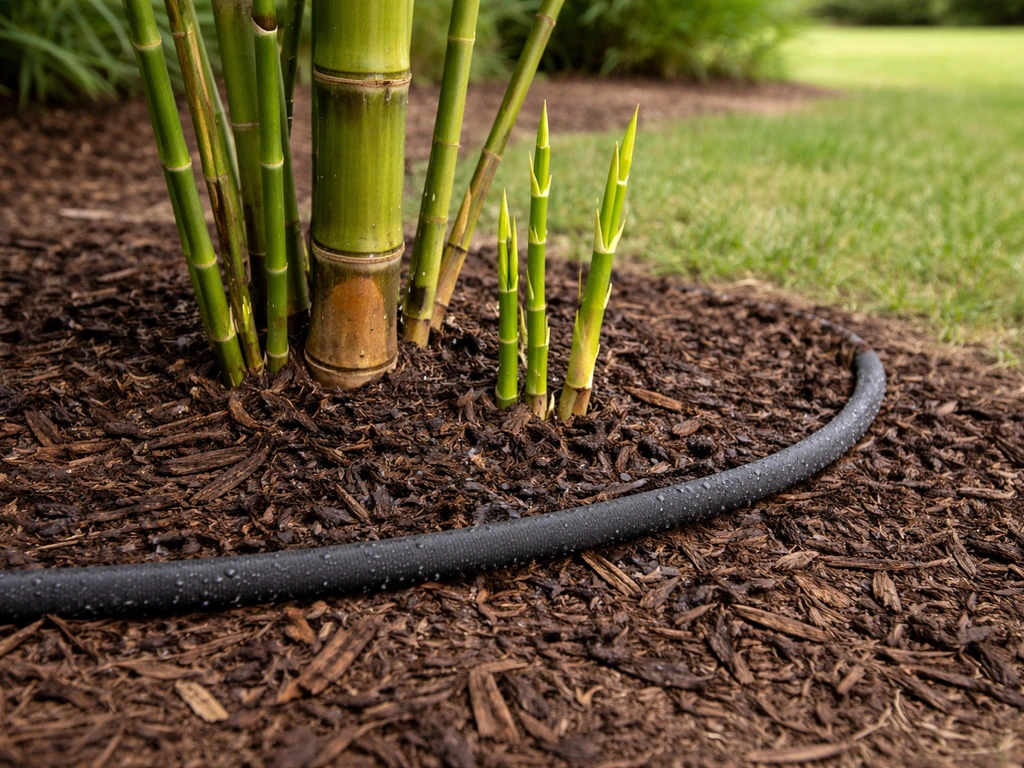
Keep a 3 to 4 inch mulch layer over the root zone year-round. Mulch moderates soil temperature (which matters during East Tennessee winters), conserves moisture, and adds organic matter as it breaks down. Replenish it each spring. In mountain counties, a thicker mulch layer (up to 6 inches) over the root zone provides extra insulation for marginally-hardy species during severe cold snaps.
Containment for Running Varieties
If you planted running bamboo, containment is an ongoing commitment, not a one-time setup. Even with a buried barrier installed, rhizomes will occasionally attempt to cross over the top. Walk the perimeter of your planting each spring and cut back any escaping rhizomes immediately. Clemson Extension research makes clear that even small rhizome sections left in the soil can re-establish, so be thorough when you dig. An 18 to 24 inch deep HDPE barrier combined with annual perimeter checks is the most reliable system. Some gardeners also use a mowed or hard-surfaced path around their bamboo grove, which makes escaping rhizomes easy to spot and cut before they root.
Running bamboo containment in Tennessee is more of a spring ritual than a crisis management situation if you stay consistent. Check it in April when new shoots are emerging, deal with anything crossing the barrier, and you will stay ahead of the plant. Skip a couple of years and it becomes a much bigger project.
Common Issues to Watch For
- Yellowing leaves in winter: usually normal dormancy response, not a problem unless it persists into spring.
- Drooping or rolled leaves in summer heat: a watering signal, especially in West Tennessee. Water deeply and promptly.
- Leggy or weak culms: often a sign of too much shade or nitrogen deficiency. Move to more sun or adjust fertilization.
- Barrier failure: inspect every spring for rhizomes growing over the top of the barrier. Redirect or cut them immediately.
- Slow first-year growth: completely normal. The root system is establishing underground. Trust the process and do not overwater or overfertilize trying to force visible growth.
Tennessee is genuinely a good state for bamboo. Bamboo can also grow in Alabama, but success depends on choosing cold-hardy varieties and placing them where they get adequate sun and well-drained soil. The climate covers enough of the hardiness spectrum that you have real choices, and the growing season is long enough that well-chosen varieties establish quickly. Start with Fargesia rufa 'Green Panda' if you want something proven and low-maintenance across the whole state, or go with a cold-hardy Phyllostachys species if you want a fast-growing screen and are willing to manage containment. Either way, get your soil drainage sorted before planting, install a barrier if you go the running route, and give the plant a full three years before judging its performance. Bamboo can also grow in Oklahoma, but you will need to pick cold-hardy varieties and plan for harsh winters. Gardeners in neighboring states like North Carolina and Georgia face similar decisions around cold hardiness and running bamboo management, so the core principles here translate well across the region. If you're wondering whether bamboo can grow in Texas, the key factors are the local temperature lows and choosing the right cold-hardy variety for your area neighboring states like North Carolina and Georgia.
FAQ
Is there a bamboo variety that will grow in Tennessee without becoming invasive?
Usually yes, but the best choice depends on whether you want a hedge or a low-maintenance ornamental. For a safe, non-spreading option that generally tolerates Tennessee winters well, clumping Fargesia like Fargesia rufa 'Green Panda' is the easiest starting point. If you choose running bamboo, plan on a containment routine from day one (barrier plus annual perimeter checks), because rhizomes can cross if the barrier is incomplete or installed too shallow.
Can I grow bamboo in a container in Tennessee?
Yes, but in a pot you must manage drainage and winter exposure differently than in-ground planting. Use a container with drainage holes that lets excess water escape quickly, and avoid heavy soils in pots that stay wet. In winter, move the pot to a protected spot (like against a house wall) or wrap it to reduce freeze-thaw stress, because containers can get colder and warmer faster than ground soil.
Why does bamboo sometimes die in Tennessee even when it is labeled cold-hardy?
Bamboo can survive many Tennessee winters, but it can still be killed by winter wet plus cold. If the soil stays saturated after rain or irrigation, roots can rot before you ever see visible damage. Prioritize a raised bed or mounded planting if your ground is clay-heavy, and keep mulch in place while ensuring the root zone is not waterlogged.
My yard has clay soil and holds water, what should I do before planting bamboo?
If you cannot guarantee excellent drainage, consider a raised bed, mounded planting, or start with clumping bamboo. Running bamboo is especially unforgiving if the soil holds water, because root problems can combine with cold stress. A simple check is to observe the planting spot after heavy rain, if it stays wet beyond a day or two, assume you will need to amend or elevate before planting.
How deep should I plant bamboo, and how does depth relate to rhizome containment?
Planting depth affects both survival and containment. For clumping bamboo, keep the crown at the same level it was in the container, do not bury it deeper. For running bamboo, the barrier must be installed deep enough (commonly 18 to 24 inches) and continuous, with no gaps at corners, because rhizomes can exploit seams.
How can I tell normal winter behavior from a real bamboo problem in Tennessee?
New growth may look sparse the first season, yellowing or leaf drop after hard cold snaps is also often normal. What is not normal is steady dieback of culms from the base or blackened, mushy roots, those usually point to rot from wet soil or mechanical damage. In that case, correct drainage and avoid fertilizing until you see healthy new shoots.
When should I fertilize bamboo in Tennessee, and how do I avoid overdoing it?
General fertilizer guidance in Tennessee is to fertilize in early spring and again in early summer, then stop after August. If you use a quick-release lawn fertilizer, apply lightly and avoid frequent reapplications, because forcing top growth before winter reduces cold tolerance. For the first year, prioritize root establishment over lush shoots, less fertilizer is usually safer.
Can I transplant bamboo to a new spot in Tennessee?
Yes, but only if you do it carefully and at the right time. Spring is the safest window for dividing or moving bamboo when new growth is beginning, and you want to minimize time roots spend exposed. Running bamboo can be harder to transplant because of rhizomes, so containment becomes more important during and after any move. If you move a running type, treat the area as if it is active rhizome soil and clean up any fragments.
How do I water bamboo correctly in Tennessee summers without causing root rot?
The safest watering rule is to avoid keeping the soil constantly wet, bamboo needs deep moisture but not standing water. For the first couple of weeks, check daily and water deeply when the top several inches dry, then shift to a schedule that matches your rainfall. During hot, dry weeks, weekly deep watering often matters more than frequent light watering for better culm size.
Does wind or summer heat matter more for bamboo in Tennessee?
Not always, and it depends on where you are in Tennessee and what type you planted. In East Tennessee, winter winds off open areas can cause extra stress, and clumping types may show more leaf drop. In West Tennessee, summer heat and drought can be the main issue, even if winters are mild. The most reliable approach is to pair the right variety to your zone and pick a site that limits both winter wind and summer dryness.
How often should I check containment for running bamboo in Tennessee?
For running bamboo, perimeter inspection is a long-term habit, not a one-time chore. Walk the boundary when new shoots are emerging in spring, cut any escapes immediately, and re-check after heavy spring rains or any landscaping work that might disturb the barrier. If you ever dig nearby, assume rhizomes may be severed and re-root.
Next Article
Does Bamboo Grow in Georgia Yes and How to Grow It
Yes, bamboo can grow in Georgia. Choose clumping or controlled running types and follow Georgia-specific care and contai