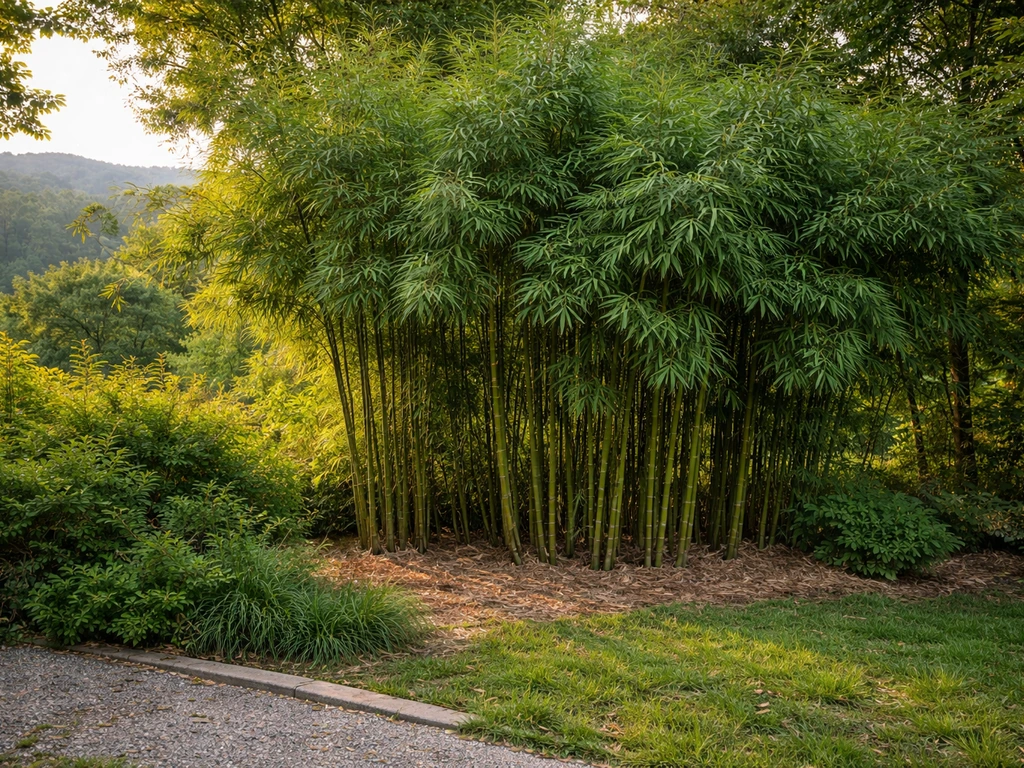
Yes, bamboo can grow in Oklahoma, and quite well in the right spot with the right species. Bamboo can also grow in Florida, but you will need to choose heat- and humidity-tolerant species and match them to your exact area bamboo can grow. Oklahoma sits in USDA Hardiness Zones 6a through 7b, which means most of the state gets cold enough in winter to kill tropical bamboos but stays warm enough for a solid selection of temperate, cold-hardy varieties. The bigger challenges are Oklahoma's periodic drought, brutal summer heat, desiccating winds, and the occasional hard freeze that dips below 0°F in the Panhandle. Pick the right bamboo for your zone, protect it during its first winter or two, and you will have a plant that establishes and grows aggressively once it settles in.
Does Bamboo Grow in Oklahoma? Yes, Here’s How to Do It
Is your Oklahoma location actually suitable?
Oklahoma is not a single climate. Bamboo can grow in Georgia, but what works depends heavily on your local climate and whether you choose clumping or running varieties does bamboo grow in georgia. The Panhandle sits in Zone 6a, where winter lows can hit -10°F. Central Oklahoma (Oklahoma City area) is Zone 7a, averaging annual extreme minimums around 0°F to 5°F. The southeastern corner near the Arkansas border is Zone 7b, the warmest in the state, where winters are milder and the growing season is longer. Before you buy a single rhizome, look up your exact ZIP code on the blank" rel="noopener noreferrer">USDA Plant Hardiness Zone Map to see which zone you fall in.
Beyond your official zone, pay attention to microclimates on your property. A south-facing wall in Tulsa can act like Zone 7b even if your ZIP code says 7a. Low spots that collect cold air drain frost downward and can damage bamboo even when nearby elevated areas are fine. Windbreaks matter too: Oklahoma's persistent westerly winds are a real desiccation risk for bamboo, especially in winter when the ground is frozen and the plant cannot replace moisture lost through its leaves. In North Carolina, you need to consider local hardiness zones, winter lows, and site protection just like you would elsewhere mildest in the state. A sheltered east- or south-facing site with some wind protection will dramatically improve your odds.
Clumping vs. running bamboo: which type belongs in Oklahoma?
This is the most important choice you will make. Bamboo falls into two growth habits: clumping types spread slowly outward from the original plant, staying relatively contained, while running types send rhizomes laterally underground, sometimes 10 or more feet in a single season, and can take over a yard quickly. If you are wondering does bamboo grow in Tennessee, the short answer is yes, but you need to match the species to your local winter conditions and plan for spread if you choose running bamboo running types. In a state like Oklahoma, where managing an aggressive plant in dry, cracked clay soil is already a challenge, choosing the wrong running bamboo and skipping containment is a decision you will regret for years.
Types that perform well in Oklahoma
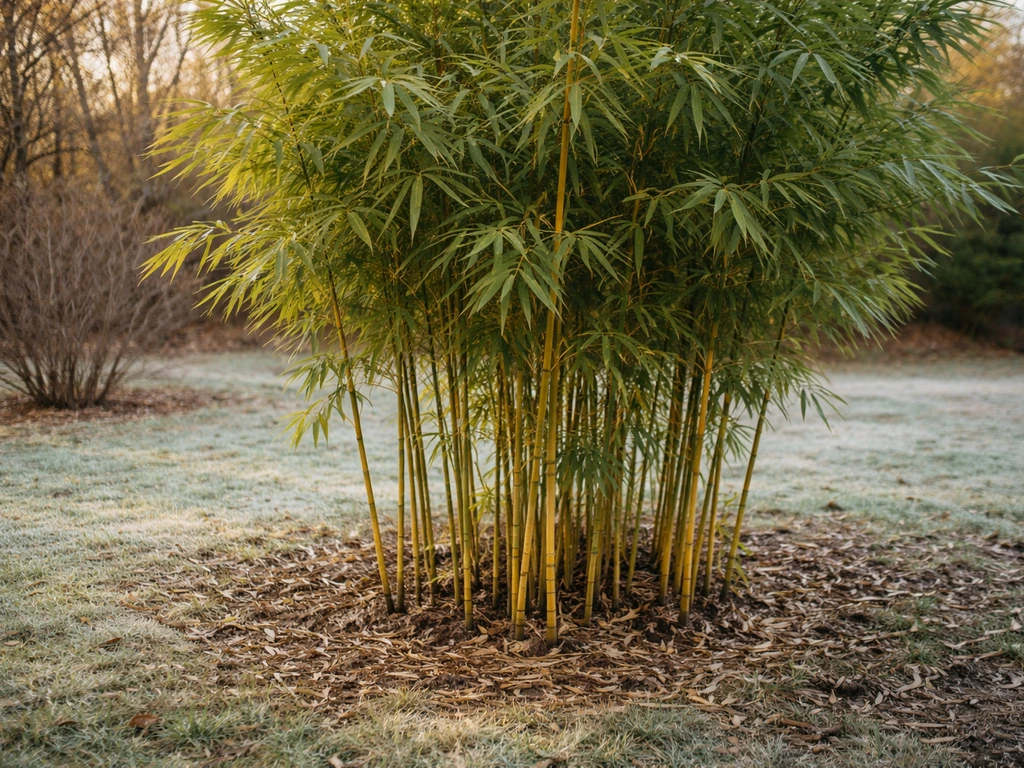
- Phyllostachys aurea (Golden Bamboo): One of the best performers for central and eastern Oklahoma. It tolerates temperatures down to around -4°F (-18°C), meaning it handles Zone 6b and warmer without significant top dieback. OSU Extension lists it among hardy bamboos for Oklahoma with hardiness down to about 5°F. It is a running type, so containment is non-negotiable.
- Phyllostachys aureosulcata (Yellow Groove Bamboo): Cold-hardy to about -10°F, making it one of the few running types suited for the Panhandle and northern Oklahoma. Tall, vigorous, and impressive once established.
- Phyllostachys bissetii: Extremely cold-hardy (to -15°F or colder), handles wind and drought better than most, and is a reliable choice for Zone 6 areas. Still a runner, still needs a barrier.
- Fargesia species (Clumping Bamboo): These are the clumpers to consider if you want low-maintenance and no containment worries. Fargesia rufa and Fargesia robusta are cold-hardy to around -20°F and are non-invasive. The trade-off: they prefer partial shade and cooler summers. Oklahoma's intense July and August heat can stress them, especially in the western half of the state.
- Arundinaria gigantea (Rivercane): This is actually a North American native and grows naturally in eastern Oklahoma along stream banks and river bottoms. It is perfectly adapted to Oklahoma's climate, handles wet and dry cycles, and is an excellent choice if you want something ecologically appropriate. It does run, but as a native species it integrates well with local ecosystems.
Types that struggle or fail in Oklahoma
- Tropical clumping bamboos like Bambusa oldhamii or Dendrocalamus species: These are Zone 9 and warmer plants. They will not survive Oklahoma winters outside in the ground.
- Guadua and most large tropical runners: Same problem. Beautiful in Florida or Louisiana, dead in Oklahoma after the first hard freeze.
- Fargesia in hot western locations: Even cold-hardy Fargesia species can fail in the heat and sun exposure of western Oklahoma if they are not kept cool and moist.
| Species | Type | Cold Hardiness | Oklahoma Zone Fit | Containment Needed |
|---|---|---|---|---|
| Phyllostachys aurea | Running | ~-4°F (-18°C) | 6b–7b (most of OK) | Yes, essential |
| Phyllostachys aureosulcata | Running | ~-10°F (-23°C) | 6a–7b (all of OK) | Yes, essential |
| Phyllostachys bissetii | Running | ~-15°F (-26°C) | 6a–7b (all of OK) | Yes, essential |
| Fargesia rufa | Clumping | ~-20°F (-29°C) | 6a–7a best (part shade) | No |
| Fargesia robusta | Clumping | ~-20°F (-29°C) | 6a–7a best (part shade) | No |
| Arundinaria gigantea | Running (native) | Native to OK | All of eastern OK | Manageable natively |
| Bambusa oldhamii | Clumping tropical | ~18°F (-8°C) | Not suitable for OK | N/A |
How to plant bamboo in Oklahoma: site, soil, spacing, and timing
Choosing the right site
For Phyllostachys runners, pick a full-sun or mostly sunny spot on the south or east side of your property. Louisiana’s climate is different from Oklahoma’s, so the bamboo species and winter protection strategy matter a lot when deciding whether bamboo can grow there does bamboo grow in Louisiana. Avoid low-lying frost pockets. If you are in western or central Oklahoma, try to find a location with some wind protection to the west and north, whether that is an existing fence, a building, or established trees. Good drainage is critical: bamboo hates waterlogged roots. Oklahoma clay can be dense and slow-draining, so raising the bed slightly or amending the soil before planting matters a lot. For Fargesia clumpers, choose a spot with afternoon shade, especially in zones 7a and 7b where summer afternoons are brutal.
Soil preparation
Get a soil test through OSU Extension before you plant. Bamboo prefers a slightly acidic to neutral pH, roughly 5.5 to 7.0. Oklahoma soils range from acidic sandy loams in the east to alkaline clay in the west and center. The test will tell you your current pH and available nutrients so you can amend accordingly. Work in several inches of compost to improve drainage and organic matter in heavy clay. If your pH is too high (above 7.0), sulfur additions can bring it down over time, though this is a gradual process.
Installing a root barrier (for running types)
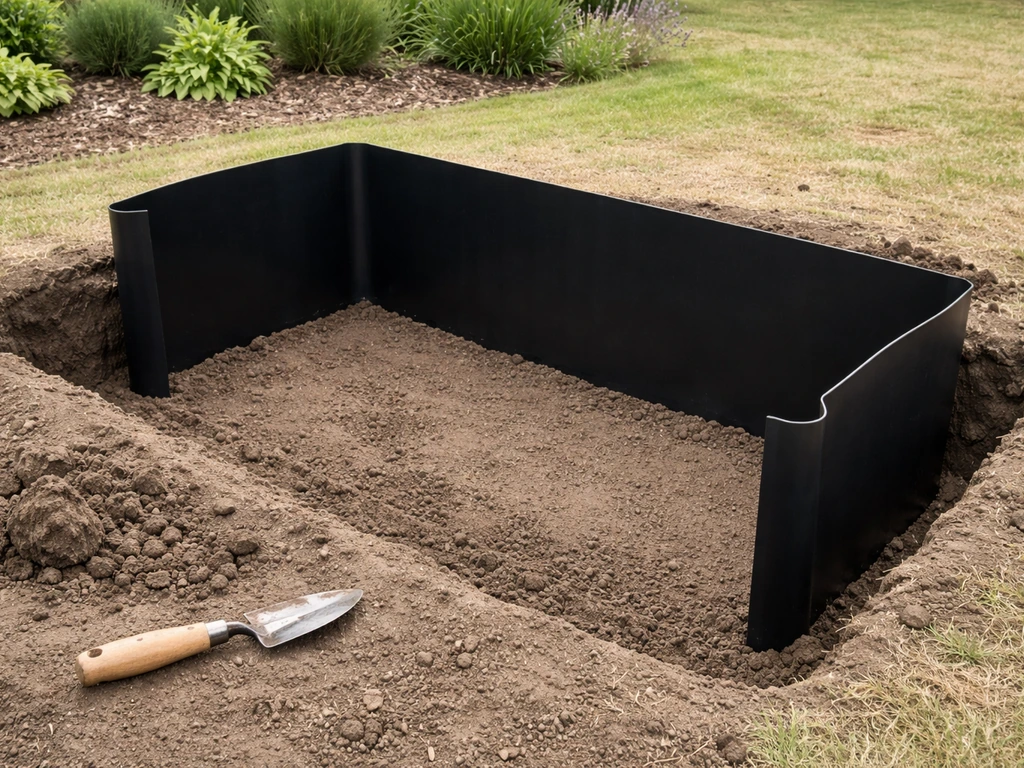
If you are planting any Phyllostachys species in the ground, install a rhizome barrier before you plant. Use 60 to 80 mil HDPE barrier material, at least 24 to 30 inches deep, slanting slightly outward at the top so rhizomes trying to escape turn upward where you can cut them. Skipping this step is the number-one mistake Oklahoma gardeners make with running bamboo. Once it escapes into neighboring soil, removal is a multi-year project involving heavy equipment and persistence.
Spacing and planting steps
- Dig a hole two to three times wider than the root ball and roughly the same depth.
- Mix the removed soil with compost at about a 50/50 ratio for backfill.
- Install rhizome barrier around the planting area before backfilling if using a running type.
- Set the plant so the root ball top is level with or just slightly above the surrounding soil grade.
- Backfill with the amended mix and firm gently to eliminate air pockets.
- Water deeply immediately after planting.
- Apply 3 to 4 inches of organic mulch (wood chips, straw, or leaves) in a wide circle around the plant, keeping mulch a few inches away from the culm base.
- Mark the containment perimeter and plan to do a rhizome check annually each spring.
Best planting time in Oklahoma
Spring is ideal, specifically late March through May after the last frost date has passed (typically mid-April in central Oklahoma, earlier in the south). This gives the plant a full growing season to establish before facing winter. Fall planting in September is a second option but carries more risk: the plant has less time to develop roots before cold arrives. If you plant in fall, mulch heavily and plan to water through any dry stretches before the ground freezes.
Sun, water, and fertilizer: Oklahoma care plan
Sun
Phyllostachys species prefer full sun and will grow faster with more light. Fargesia types need afternoon shade in Oklahoma, especially during the hottest months. Plan for at least six hours of sun for runners and dappled or morning sun for clumpers.
Watering
Newly planted bamboo needs consistent moisture for the first two growing seasons. In an Oklahoma summer, that often means watering two to three times per week during heat spells, checking that the soil does not dry out more than an inch deep. Oklahoma's drought patterns are real and recurring, so do not rely on rainfall alone from June through August. Once established (usually after two full growing seasons), bamboo develops a much deeper and more resilient root system and can handle periods of drought better, though it will still benefit from supplemental irrigation during prolonged dry stretches. In winter, watering needs drop significantly. Do not water heavily around a freeze event for varieties that are marginally cold-hardy, as it can increase freeze damage.
Fertilizing
Bamboo is a grass and responds well to nitrogen. Apply a balanced slow-release fertilizer or a lawn-type nitrogen fertilizer in early spring (March to April) as new shoots emerge. A second application in June can push strong summer growth. Avoid fertilizing after August in Oklahoma: late nitrogen pushes tender new growth that will not harden off before fall frosts. Mulching generously also feeds the soil as it breaks down, reducing how much synthetic fertilizer you need over time.
Protecting bamboo through Oklahoma winters
Oklahoma winters can bring surprise ice storms, sustained cold snaps, and windchills well below the actual air temperature. Even a species rated to -10°F can suffer leaf scorch or culm damage when bitter winds pull moisture out of the foliage faster than frozen roots can replace it. Here is how to minimize winter damage:
- Mulch heavily in late October or early November: pile 4 to 6 inches of wood chips or straw over the root zone. This insulates the rhizomes, which are the actual lifeline of the plant even if the tops die back.
- Add a windbreak on the northwest side if you do not have one naturally. A simple burlap screen stapled to stakes can reduce desiccating wind damage significantly.
- Stop fertilizing by late August so the plant enters fall with hardened growth rather than tender new shoots.
- For marginally hardy species, consider wrapping the culms loosely with burlap during extreme cold events below -5°F.
- Do not panic if leaves curl, turn yellow, or drop in January. Most cold-hardy Phyllostachys will push new growth from the rhizomes in spring even after significant top dieback.
- Containers need extra protection: potted bamboo has roots exposed to ambient air temperatures on all sides. Move containers to an unheated garage or shed when sustained temperatures below 20°F are forecast.
The most important rule: protect the rhizomes. The top can die completely and the plant will recover if the underground root system survives. Thick mulch over the root zone is the single most effective thing you can do.
What to expect: growth timeline and what success looks like
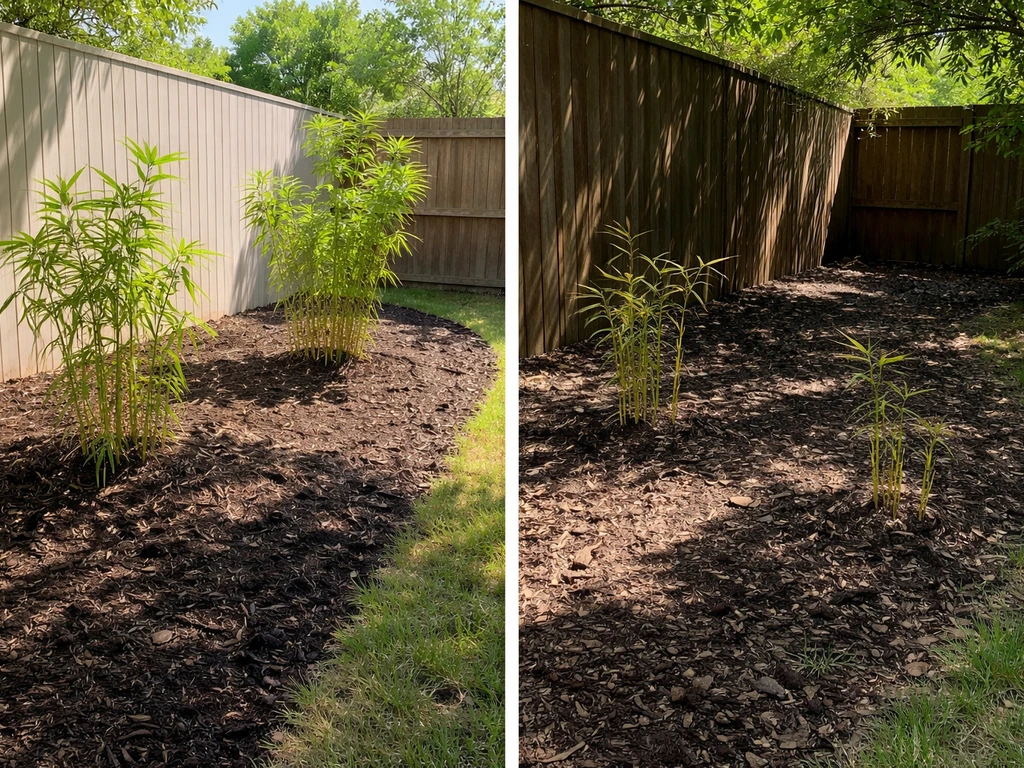
Do not expect a bamboo grove in year one. Bamboo follows what is sometimes called the 'sleep, creep, leap' pattern. In year one, your plant will likely do almost nothing visible above ground. It is investing energy into establishing rhizomes. In year two, you will see a few new shoots, slightly larger than the original culms. By year three and four, assuming good care and an established root system, Phyllostachys can send up shoots that are noticeably taller and thicker than anything you planted. A mature, established Phyllostachys aurea grove in Oklahoma can grow 2 to 3 feet of new height per shoot in a single spring shooting season. Wikipedia also discusses blank" rel="noopener noreferrer">Phyllostachys aurea (golden bamboo), noting that it is commonly cultivated and providing general information on its cold hardiness and performance by zone. That is the leap phase.
Success in Oklahoma looks like this: culms survive winter with browning only on the leaves (or minor top dieback that re-shoots in spring), new shoots appear in April or May larger and more numerous than the previous year, and the grove gradually expands within its containment zone. By year five, a well-chosen Phyllostachys planting in central or eastern Oklahoma should be a dense, established grove reaching full mature height for the species.
Avoiding common mistakes, choosing containers vs. in-ground, and realistic alternatives
Common mistakes
- Choosing the wrong species: planting a tropical bamboo in Oklahoma is money and time lost. Always verify the cold hardiness rating against your specific zone.
- Skipping the root barrier: the most regretted mistake with running bamboo. It will spread, and Oklahoma's dry, cracked clay actually makes underground rhizome travel easier in some spots.
- Planting in a drainage-poor area: bamboo planted in standing water or heavily compacted clay will root-rot. Raised beds or soil amendment are not optional in poorly draining Oklahoma soils.
- Overwatering in winter or around freeze events: this can actually worsen cold injury rather than help it.
- Under-mulching: a thin layer of mulch does almost nothing. Go thick, 4 to 6 inches minimum, especially in year one.
- Fertilizing too late in the season: pushing growth in September or October means tender green tissue going into a hard freeze.
Container vs. in-ground
Containers are an excellent option for Oklahoma gardeners who want flexibility or who live in the colder western zones. A 15 to 25 gallon container with a cold-hardy Phyllostachys or Fargesia can be moved to a protected location during extreme cold snaps. The downside: containers dry out faster in Oklahoma's summer heat, so watering frequency increases. Roots in containers are also more exposed to temperature swings than in-ground roots, so even a Zone 6b-rated bamboo in a container needs some cold protection below about 20°F. In-ground planting, with proper containment and species selection, produces faster growth and less maintenance watering once established. Bamboo can grow in Alabama, but the best results depend on choosing the right cold-tolerant species and providing consistent care does bamboo grow in alabama.
Realistic alternatives worth considering
If you want the look and feel of bamboo without the management complexity, a few alternatives are worth knowing. Arundinaria gigantea (rivercane) is a native Oklahoma bamboo relative that is perfectly adapted and ecologically valuable. Giant reed (Arundo donax) provides similar visual impact and is extremely drought-tolerant, though it comes with its own invasiveness concerns. For those who want bamboo purely as a privacy screen or windbreak and live in western Oklahoma where Phyllostachys performance is less predictable, ornamental grasses like Miscanthus or Panicum can fill a similar landscape role without the zone-edge risk. That said, if you are in eastern or central Oklahoma with a sheltered site, there is no reason to compromise. Bamboo will grow there. Oklahoma's neighbor to the south, Texas, grows bamboo successfully across a similar climate range, and the southeastern states like Louisiana, Alabama, and Georgia with their warmer zones can run a wider variety of species, but Oklahoma absolutely has the climate to support a strong selection of temperate bamboos.
Your next steps today
- Look up your ZIP code on the USDA Plant Hardiness Zone Map to confirm your exact zone.
- Walk your property and identify south or east-facing spots with wind protection and good drainage.
- Submit a soil test through OSU Extension's soil testing service to know your pH and nutrient baseline before you amend or plant.
- Choose a species matched to your zone: Phyllostachys bissetii or aureosulcata for Zone 6a, Phyllostachys aurea or bissetii for 6b-7a, and Fargesia rufa in a shaded spot anywhere in the state.
- Order a rhizome barrier (60 to 80 mil HDPE, 30 inches wide) before your plant arrives if you are going with a running type.
- Buy from a reputable bamboo nursery that lists verified cold-hardiness ratings, not just big-box stores where labeling is often vague or wrong.
- Plan your planting for late March through May for the best establishment window.
FAQ
Can I grow bamboo in Oklahoma in a container or pot instead of in the ground?
Yes, but it is usually safest only for small clumping bamboos and cold-hardy types. If you buy a nursery pot, keep it where it gets morning light, add wind protection, and plan for shelter during hard freezes (especially in Zone 6a). For containers, move the pot to an unheated garage, porch, or against the house and wrap the pot insulation, since the root ball in a pot can freeze even when the air seems slightly above the bamboo’s rating.
What’s the best way to keep running bamboo from taking over in Oklahoma?
If you want to prevent spread, buy clumping types only, or commit to true physical containment before planting. With running types, even a correctly installed barrier can fail if installed shallow, cut, or if gaps allow rhizomes to bypass. Also plan for routine inspection each spring, after the soil thaws, to find and cut any escaped shoots before they establish new clumps.
Do I really need a soil test for bamboo in Oklahoma?
A soil test is still worth doing even if your area already has “good-looking” garden soil. Bamboo prefers a slightly acidic to neutral pH, and Oklahoma can be alkaline in many regions, which reduces nutrient availability even when you fertilize. If you skip the test, you can end up over-fertilizing without fixing pH, leading to weak growth, yellowing leaves, and poor winter hardiness.
When should I mulch bamboo for winter protection in Oklahoma?
Because OK winters can swing between freeze and thaw, your main goal is protecting rhizomes, not “keeping the plant warm.” Apply a thick mulch layer over the root zone after the first hard cold (when growth is already slowing), and avoid piling mulch directly against tender culms. If you mulch too early during warm spells, you can encourage excessive moisture and rot in heavy clay.
How can I tell whether my bamboo survived a harsh Oklahoma winter?
Look for stress signals rather than assuming bamboo is dead. In Oklahoma, it is common for the top to brown or lose leaves after cold winds, yet the plant can re-sprout from surviving rhizomes. Wait until late April or May to evaluate, then scratch-test the rhizome area for firmness, if you installed a barrier you can also check the barrier line for any live growth points.
Is spring planting always better than fall planting bamboo in Oklahoma?
For many gardeners, the best timing is late March through May, after the last frost, because new rhizomes need time to establish before cold. Fall planting can work, but the risk is higher if cold arrives early or if the soil stays dry, since new roots may not develop deep before freezing. If planting in September, keep consistent moisture until the ground freezes, then rely on heavier mulch.
How much and when should I fertilize bamboo in Oklahoma?
Yes, using the right fertilizer program matters. Apply nitrogen early spring when shoots emerge, and stop after August so new growth hardens off. If you over-fertilize during hot periods, bamboo can push tender culms that are more vulnerable to winter wind scorch and dieback, even if the rhizomes survive.
What are the most common reasons bamboo fails to establish in Oklahoma?
If your bamboo is struggling, the fix is often site-related rather than a “watering schedule” problem. In Oklahoma clay, the most common issue is poor drainage that keeps roots too wet, combined with drought that later dries the surface. Aim for evenly moist soil during establishment, but make sure water drains well, raised beds and compost help. If water pools after a rain, adjust drainage before adding more fertilizer.
When is it safe to prune bamboo in Oklahoma, especially after winter dieback?
Under most Oklahoma conditions, avoid heavy pruning in late fall because you remove protective foliage and can encourage weak regrowth. After winter, remove dead culms only once you can see what re-sprouted, typically in spring. For running bamboo, also prune escaped shoots only as you discover them, then cut them back at the barrier line to reduce regrowth.
Is native rivercane a safer alternative to running bamboo for Oklahoma yards?
Arundinaria (native rivercane) can be a great low-risk option because it is adapted to Oklahoma conditions and does not carry the same runaway invasion reputation as many Asian running bamboos. It can still spread in a managed way, so treat it as “moderate spread,” not as maintenance-free. If your goal is containment and minimal hassle, rivercane or other clumping bamboos are usually easier than Phyllostachys runners.
Does Bamboo Grow in Tennessee? How to Plant and Care
Learn if bamboo grows in Tennessee and get a step-by-step guide to planting, choosing clumping vs running, and caring.