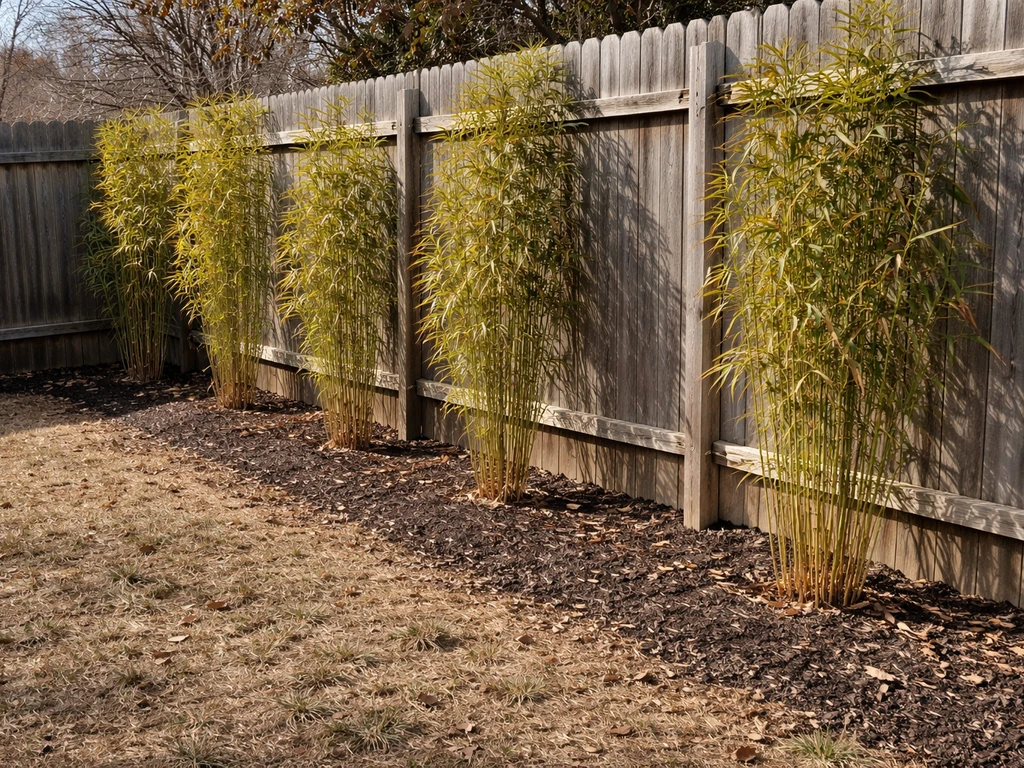
Yes, bamboo grows very well in Louisiana. Yes, bamboo can also grow in Oklahoma, but success depends heavily on cold hardiness and careful site selection bamboo grows very well. In fact, one bamboo species (Arundinaria gigantea, also called river cane) is actually native to the state and grows wild across dozens of parishes. For gardeners, Louisiana's heat, humidity, and rainfall are genuinely ideal for many bamboo varieties. The main decisions you need to make are which type to plant (clumping vs running), where to put it, and how to manage it so it doesn't take over your yard or die in a rare hard freeze.
Does Bamboo Grow in Louisiana? Types, Care, and Success Steps
Marcus Hartwell
7 Jul 2026
Best bamboo types for Louisiana: clumping vs running
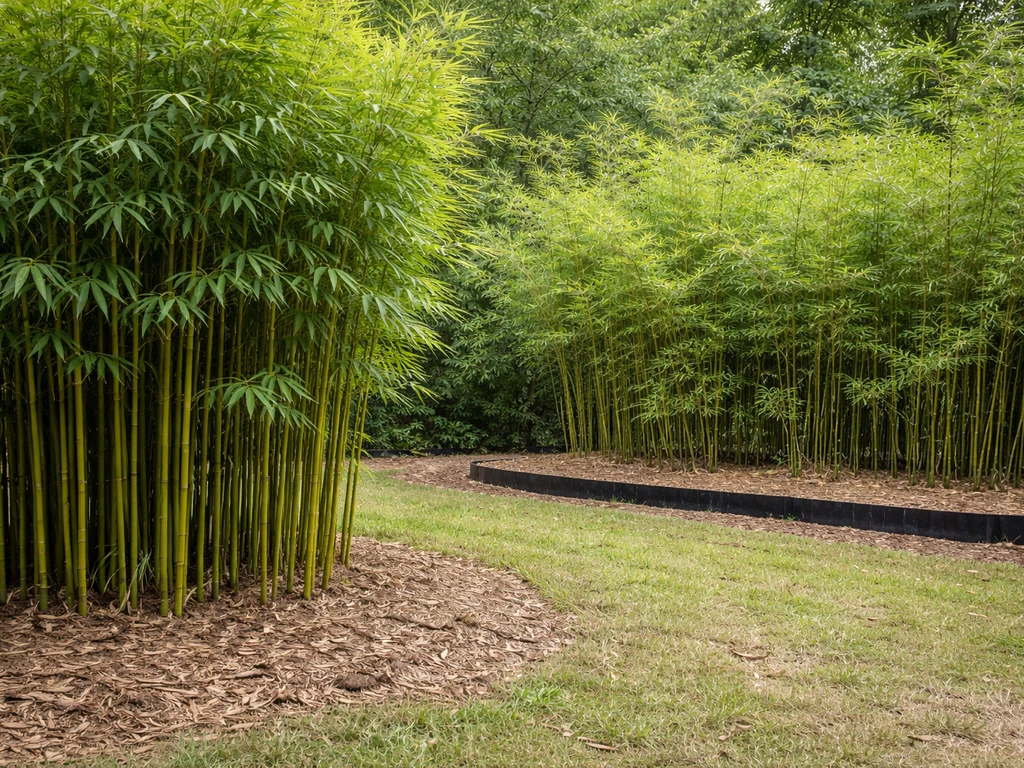
This is the single most important choice you'll make. Bamboo splits into two fundamentally different growth habits, and understanding the difference will save you a lot of headaches down the road.
Clumping bamboo: the low-drama choice for most Louisiana yards
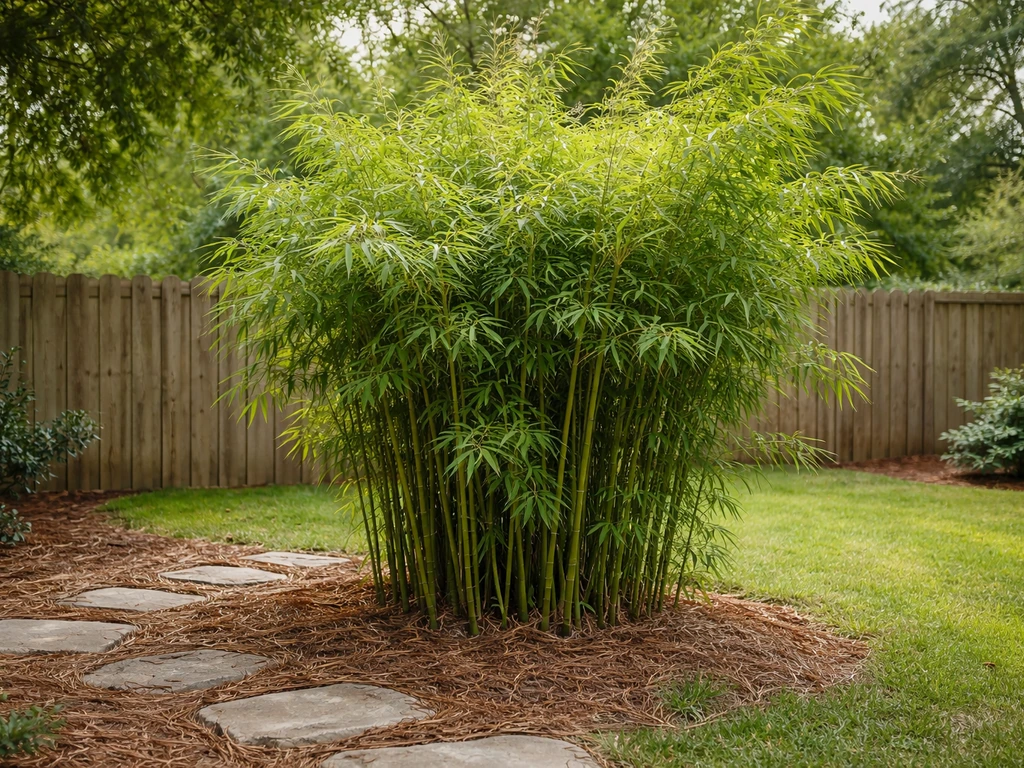
Clumping bamboos (genus Bambusa and related genera) expand slowly outward from a central root mass. They don't send out long underground runners that pop up 20 feet away from where you planted them. For most Louisiana homeowners, clumping bamboo is the right call. Bambusa multiplex (hedge bamboo) is a particularly popular pick for Louisiana gardens: it's compact, hardy, adaptable, and sold by local nurseries specifically for this climate. A Louisiana nursery in Belle Chasse (Wild Bear Bamboo) has built its entire operation around clumping varieties suited to the Gulf South, which tells you something real about what works here.
Running bamboo: only with serious containment
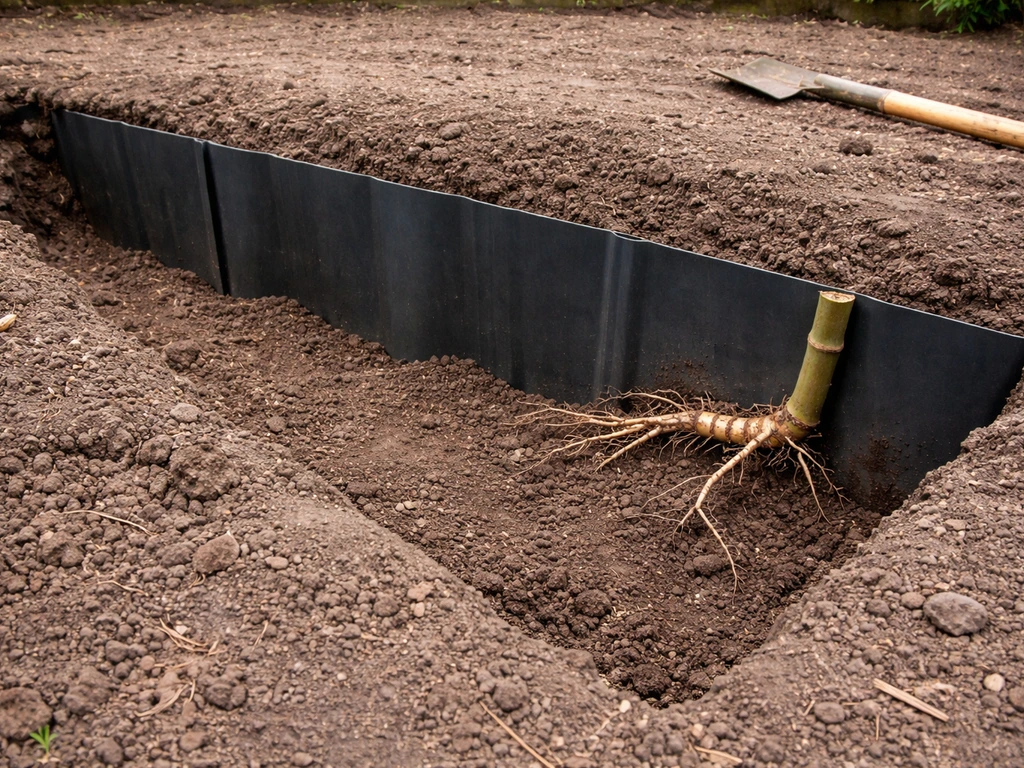
Running bamboos (mostly genus Phyllostachys) spread via fast-moving underground rhizomes and can colonize large areas in just a few growing seasons. They're not inherently bad, but in Louisiana's long, warm growing season, their spreading potential is amplified. If you want running bamboo, you need a physical rhizome barrier: a high-density polyethylene sheet at least 60 to 80 mils thick, buried 24 to 36 inches deep, angled outward at the top.
That barrier needs to be checked regularly because rhizomes will try to escape through any gap. Running bamboo in containers is also a dead end long-term since rhizomes eventually escape through drainage holes and split container walls. Bottom line: running bamboo in Louisiana is manageable, but it requires real commitment to containment.
The native option: river cane
Arundinaria gigantea (river cane) is documented across Louisiana parishes by the USGS and is explicitly identified by the USDA NRCS as native to Louisiana. It's a running type, but it's deeply adapted to local soils and climate. Switchcane (Arundinaria tecta) is a related native species. If you want something with deep regional roots and zero cold hardiness concerns, native cane is worth exploring, especially for naturalistic or restoration plantings.
| Type | Spread habit | Containment needed? | Best use in Louisiana | Cold hardiness |
|---|---|---|---|---|
| Clumping (e.g., Bambusa multiplex) | Slow, outward from center | No | Hedges, screens, landscaping | Good to Zone 8B-9B |
| Running (e.g., Phyllostachys) | Aggressive via rhizomes | Yes, physical barrier required | Large properties, contained groves | Varies by species |
| Native cane (Arundinaria gigantea) | Running, but native | Depends on site | Naturalistic/restoration plantings | Excellent (native) |
How Louisiana's climate actually affects bamboo
Most of Louisiana sits in USDA Plant Hardiness Zones 8B to 9B. That means average winter lows range roughly from 15°F to 25°F depending on where you are, with southern areas like New Orleans and the Gulf Coast staying warmer and northern Louisiana seeing colder winters. For the vast majority of clumping bamboos, that range is completely workable. If you're wondering whether bamboo can grow in Alabama, the biggest factors are winter cold tolerance and choosing the right clumping versus running type for your site does bamboo grow in alabama.
Louisiana's heat and humidity are genuine assets for bamboo. Long growing seasons, plentiful summer rainfall (Baton Rouge averages around 60 inches annually), and warm soil temperatures mean bamboo can push out new culms aggressively from spring through fall. Compare this to bamboo in Texas or North Carolina: Louisiana consistently offers a longer window of warm-weather growth, which translates directly into faster establishment and bigger culm sizes. Bamboo can grow in Texas too, but success depends heavily on choosing cold-tolerant varieties and matching the right planting conditions bamboo in Texas.
The cold snap risk is real, though. In January 2025, an arctic airmass dropped Baton Rouge to 7°F (-14°C), which is extreme even by Louisiana standards. That's a once-in-decades event, but it's not impossible. Historical record lows for both Baton Rouge and New Orleans confirm that temperatures can occasionally dip well below what Zone 9 maps suggest. This is the key reason to choose bamboo varieties rated for Zone 7 or even Zone 6 if you want a true safety buffer, especially in northern Louisiana.
Where bamboo will actually thrive in your Louisiana yard
Sun and shade
Bamboo performs best in full sun to part shade. In Louisiana's intense summer heat, a site that gets some afternoon shade (especially in July and August) can actually help young plants establish without heat stress. Once bamboo is mature, it handles full sun fine. Avoid deep, dense shade under large tree canopies where it will struggle to put on height.
Soil and drainage: this one matters a lot
Drainage is the single most important soil factor for bamboo in Louisiana, and it's where a lot of Gulf South plantings fail. Louisiana soils in many areas are heavy clay, which holds water. Bamboo does not tolerate waterlogged roots. Even though this guide focuses on Louisiana conditions, the same question applies in Tennessee, where bamboo growth depends heavily on local climate and winter hardiness.
Before you plant, evaluate whether your site drains well after rain. If water pools for more than a day after a heavy storm, you need to either amend the soil with compost and coarse sand, build a raised bed or berm, or choose a higher spot in the landscape. Sandy soils in coastal and southern Louisiana are easier to work with but may need more organic matter to retain moisture during dry spells.
A slightly acidic to neutral pH (around 5. 5 to 7. 0) works well for most bamboo species.
Microclimate advantages to look for
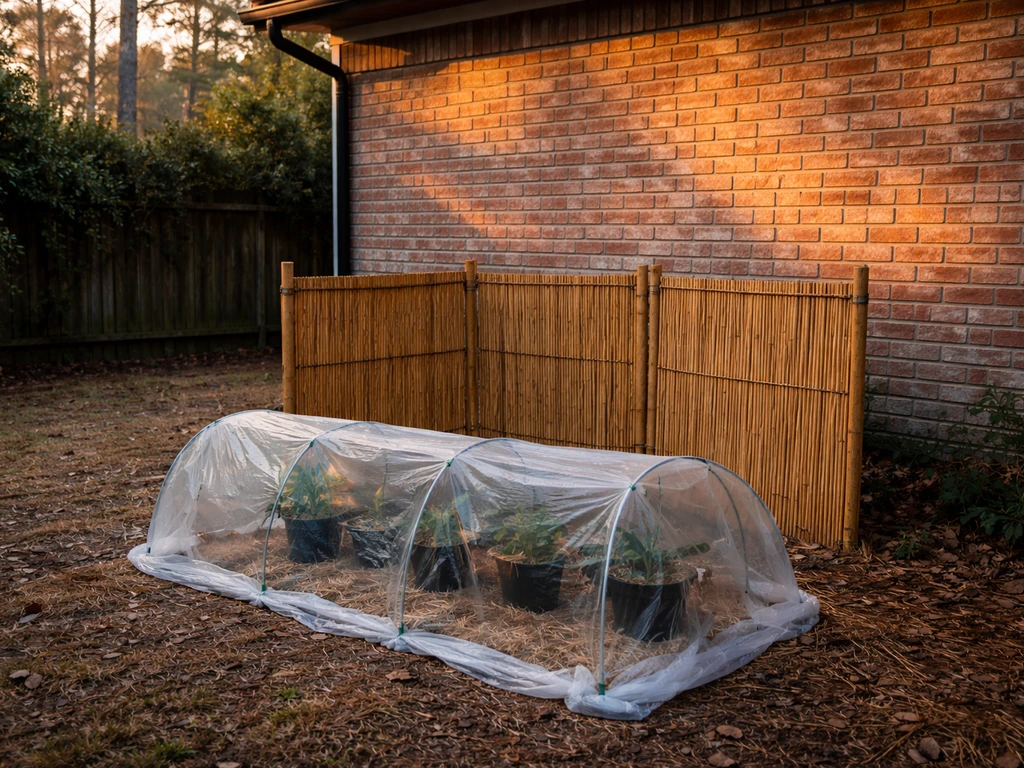
- South or southeast-facing walls that reflect heat and provide frost protection in winter
- Wind-protected spots (bamboo handles Louisiana's summer thunderstorms better with some shelter on the windward side)
- Elevated ground or gently sloped sites where rainwater drains away naturally
- Urban heat islands in city lots, which can push your effective zone one notch warmer
When to plant and how fast it grows
Spring is the best planting time in Louisiana, ideally March through May. Soil is warming up, the worst frost risk has passed, and bamboo has the entire growing season ahead to establish its root system. Fall planting (September to October) is a second-best option, giving roots time to settle in before winter without the stress of summer heat hitting a brand-new planting.
Growth rate expectations: the classic rule with bamboo is 'sleep, creep, leap.' In year one, most of the energy goes underground into root establishment. You may see minimal top growth, which is normal and not a sign of failure. In year two, you'll notice more culms emerging. By year three, a healthy clumping bamboo in Louisiana can be putting out multiple new culms per season and may reach half its mature height or more. Running bamboos can show more aggressive above-ground spread earlier, but the same underground establishment principle applies. Louisiana's climate shortens this timeline compared to cooler states like North Carolina or Tennessee, so don't be discouraged in year one.
Care after planting: what actually makes a difference
Watering
Insufficient water during hot, windy weather is the number one cause of new bamboo failure, and Louisiana summers can be brutal on newly planted stock. A good benchmark: bamboo needs roughly the same amount of water as a healthy lawn. In practice, that means deep watering two to three times per week during the first summer if rainfall doesn't cover it. Water until the soil is moist at root depth, not just the surface. For container-grown bamboo, water until it drains freely from the bottom holes. Once bamboo is established (usually by year two), it's much more drought-tolerant.
Fertilizing
Bamboo is a heavy feeder, especially when pushing new culms. Apply a balanced, complete fertilizer or composted manure in early spring before new shoot emergence, and again in midsummer if you want to encourage growth. A fertilizer with a higher nitrogen component (the first number on the bag) supports the leafy, fast growth bamboo is known for. Avoid over-fertilizing in late summer or fall, which can push tender new growth that gets damaged in early cold snaps.
Mulching
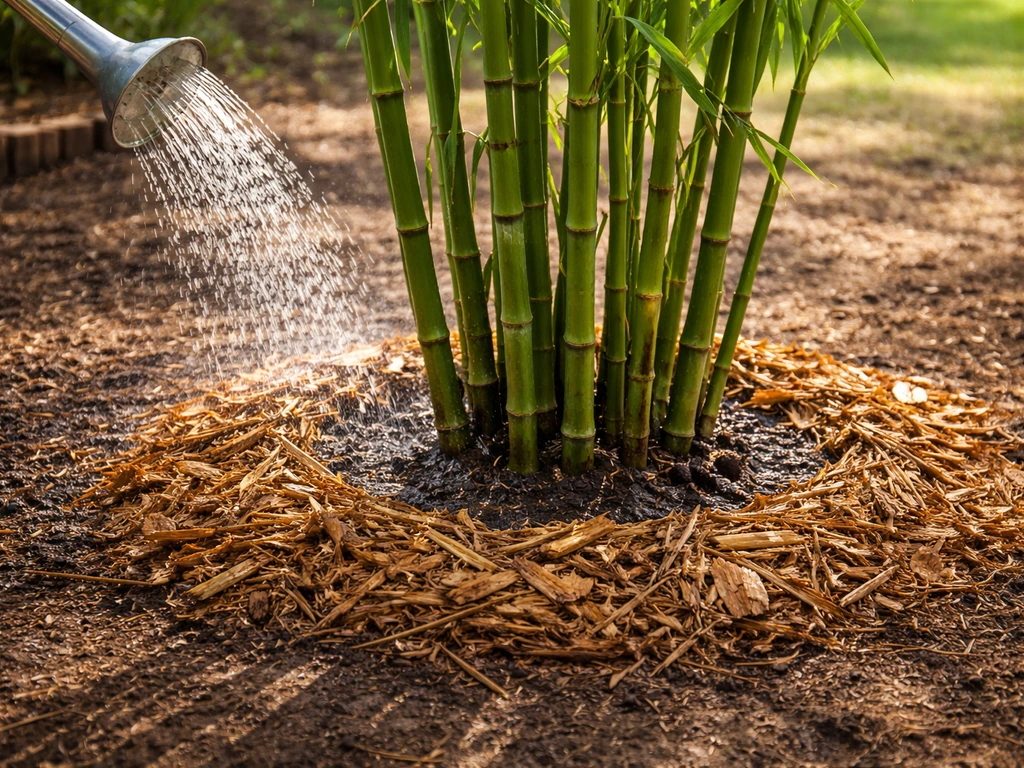
Mulch is your best friend for Louisiana bamboo. Apply 3 to 4 inches of wood chips, pine straw, or shredded leaves around the base, keeping it a few inches away from the culm stems. Mulch retains soil moisture (crucial in summer), moderates soil temperature, and mimics the natural leaf litter that bamboo builds up in forest settings. UGA Cooperative Extension recommends treating bamboo like a landscape planting during establishment, including using shredded leaves as mulch Mulch retains soil moisture. As bamboo drops its own leaves seasonally, let them accumulate under the planting as a natural mulch layer.
Hardiness, pests, diseases, and winter protection
Winter cold: how to plan for rare freezes
Most winters in southern Louisiana are mild enough that established bamboo needs no protection at all. However, events like the January 2025 freeze (7°F in Baton Rouge) demonstrate that extreme cold is a real risk. Here's how to approach it: first, choose varieties rated for at least Zone 7 or even Zone 6 for extra margin, especially if you're in central or northern Louisiana.
Second, a thick mulch layer over the root zone provides significant insulation for the rhizomes, which are the part that really needs to survive a hard freeze. Even if the culms get damaged or defoliated, bamboo will typically resprout from healthy rhizomes in spring. Third, for young or more tender varieties, burlap wrap or frost cloth over culms during a forecasted severe freeze can help, but it's rarely necessary for well-established mature plants.
Pests and disease in Louisiana's climate
The hot, humid Louisiana environment that helps bamboo grow fast can also encourage a few problems. MSU Extension’s ornamental pest resources note that [spider mites and other ornamental pest groups](https://www. extension. msstate.
edu/sites/default/files/publications/p2369weblogokp. pdf) are relevant to hot, humid Southern landscapes and can affect stressed ornamental plants. Bamboo spider mites are the most common insect pest: they cause stippled, yellowing leaves and, in heavy infestations, visible webbing on the undersides of foliage. Stressed plants (underwatered, nutrient-deficient, or heat-stressed) are much more vulnerable, so keeping your bamboo in good health is the best preventive measure.
Strong jets of water to knock mites off leaves and horticultural oil or insecticidal soap sprays are effective treatments for moderate infestations. Healthy, well-watered, well-fertilized bamboo in Louisiana rarely has serious mite problems.
Fungal issues can occur in poorly drained sites or with excessive overhead watering, especially on young culms. The fix is almost always improving drainage and watering at the soil level rather than overhead. Root rot from standing water is a more serious concern in heavy Louisiana clay soils, which reinforces why drainage site selection is so critical.
Practical next steps: how to choose, source, and start
Here's how to move from reading to actually planting in Louisiana, broken into clear actions you can take right now. If you're wondering, does bamboo grow in Georgia too, the answer depends on matching the right hardiness zone and choosing a site with good drainage.
- Decide on clumping or running bamboo. For most residential yards, start with clumping. Unless you have a large property with clear containment options and the time to manage rhizomes, clumping bamboo gives you 90% of the visual payoff with a fraction of the management headache.
- Pick a species with a cold hardiness buffer. Even in Zone 9A/9B southern Louisiana, choose a variety rated for Zone 7 or lower to handle rare extreme cold events. Ask any nursery specifically about cold hardiness down to at least 5-10°F.
- Source from Louisiana-regional nurseries. There are nurseries in Louisiana specifically growing bamboo for Gulf South conditions (Wild Bear Bamboo in Belle Chasse and Palmco both serve Louisiana). Buying locally grown stock means the plants are already acclimated to your humidity, soil, and temperature swings. Avoid buying cheap bamboo from big-box stores without verifying the species and cold hardiness.
- Evaluate your drainage before you dig a hole. If your soil holds water, either amend it heavily with compost and coarse material, build a raised planting bed, or choose a better-draining spot.
- Plan your containment before planting running bamboo. If you go the running route, install your rhizome barrier first, before the plant goes in the ground. Retrofitting a barrier after the fact is much harder.
- Plant in spring (March-May), mulch immediately, and water deeply and consistently for the first full summer. Don't judge your bamboo's performance until year two or three.
Louisiana is genuinely one of the better states in the South for growing bamboo, sitting right alongside Florida, Georgia, and Alabama in terms of climate suitability. Does bamboo grow in Florida? Most of the time, yes, especially in warmer, coastal areas with good drainage. The heat and rainfall that define the Gulf South are exactly what bamboo evolved to thrive in. The variables that actually determine success here aren't whether bamboo will grow: it's which type you choose, how well your site drains, and whether you've thought through containment. Get those three things right and bamboo in Louisiana is one of the more rewarding landscape plants you can grow.
FAQ
Can I grow bamboo in Louisiana in a container, and will it stay contained?
Yes, containers work for clumping bamboo, but you still need a large pot (wide rather than just tall) with fast drainage. For running bamboos, containers are usually not truly contained long-term because rhizomes can escape through drainage holes and split the container, even if the top growth looks controlled.
How do I know if my yard drains well enough before planting bamboo?
Do a simple rain-and-wait check: after a heavy watering or storm, observe the exact planting spot. If water pools at the surface or the soil stays saturated for more than about a day, plan on a raised bed or berm and soil amendments, because bamboo roots can suffer quickly in waterlogged clay.
What bamboo should I choose if I live in north Louisiana or away from the coast?
Aim for varieties rated for at least Zone 7, and if you have frequent cold snaps or exposed sites, consider Zone 6-rated plants for extra margin. Also prioritize clumping types unless you are prepared for ongoing containment work, since running bamboo spreads more aggressively in Louisiana’s long warm season.
Does bamboo need fertilizing in Louisiana, or can I just rely on mulch and rainfall?
Mulch helps, but established bamboo often benefits from targeted feeding when new culms emerge (early spring) and optionally again in midsummer. Avoid late-season fertilizing because it can push tender growth that is more vulnerable when an unexpected cold event hits.
Is full shade under live oaks okay for bamboo in Louisiana?
Deep, dense shade usually slows bamboo significantly because it cannot produce enough energy for healthy culm growth. Part shade, especially afternoon shade, is often ideal for young plants in Louisiana, but if it stays very dim year-round, plan on a sunnier site.
How much water does bamboo need during Louisiana summer heat, especially the first year?
During the first summer, water deeply so the soil is moist at root depth, not just the surface. If rainfall does not keep up, a practical target is deep watering two to three times per week, and reduce frequency only after the plant shows stable new growth and the root zone dries between waterings.
Why did my bamboo barely grow in year one, even though it survived?
That pattern is common, using the “sleep, creep, leap” idea. In the first year, bamboo often puts most effort into underground rhizomes or root establishment, so limited above-ground growth does not necessarily mean failure.
What’s the safest way to protect bamboo during a rare hard freeze in Louisiana?
Choose hardier varieties first, then insulate the root zone with a thick mulch layer. For young plants or tender selections, you can add temporary wrap or frost cloth based on the forecast, but focus on protecting rhizomes and roots rather than trying to cover mature culms indefinitely.
Will bamboo come back if it loses leaves or culms after a cold snap?
Often yes, especially for healthy clumping bamboos and native canes with surviving rhizomes. Even if culms are damaged or defoliated, bamboo typically resprouts in spring from rhizome reserves if the root zone stayed adequately insulated and not waterlogged.
How can I tell if my bamboo problems are mites, overwatering, or poor drainage?
Look at the pattern. Spider mites usually cause stippling and yellowing with possible webbing on leaf undersides, and they often worsen on stressed plants. Root rot and fungal issues are more linked to persistently wet soil, especially in heavy clay, and improvement usually comes from correcting drainage and watering at the soil level.
Next Article
Does Bamboo Grow in Oklahoma? Yes, Here’s How to Do It
Yes, bamboo can grow in Oklahoma. Learn which types succeed, plus step-by-step planting, care, containment, and winter t