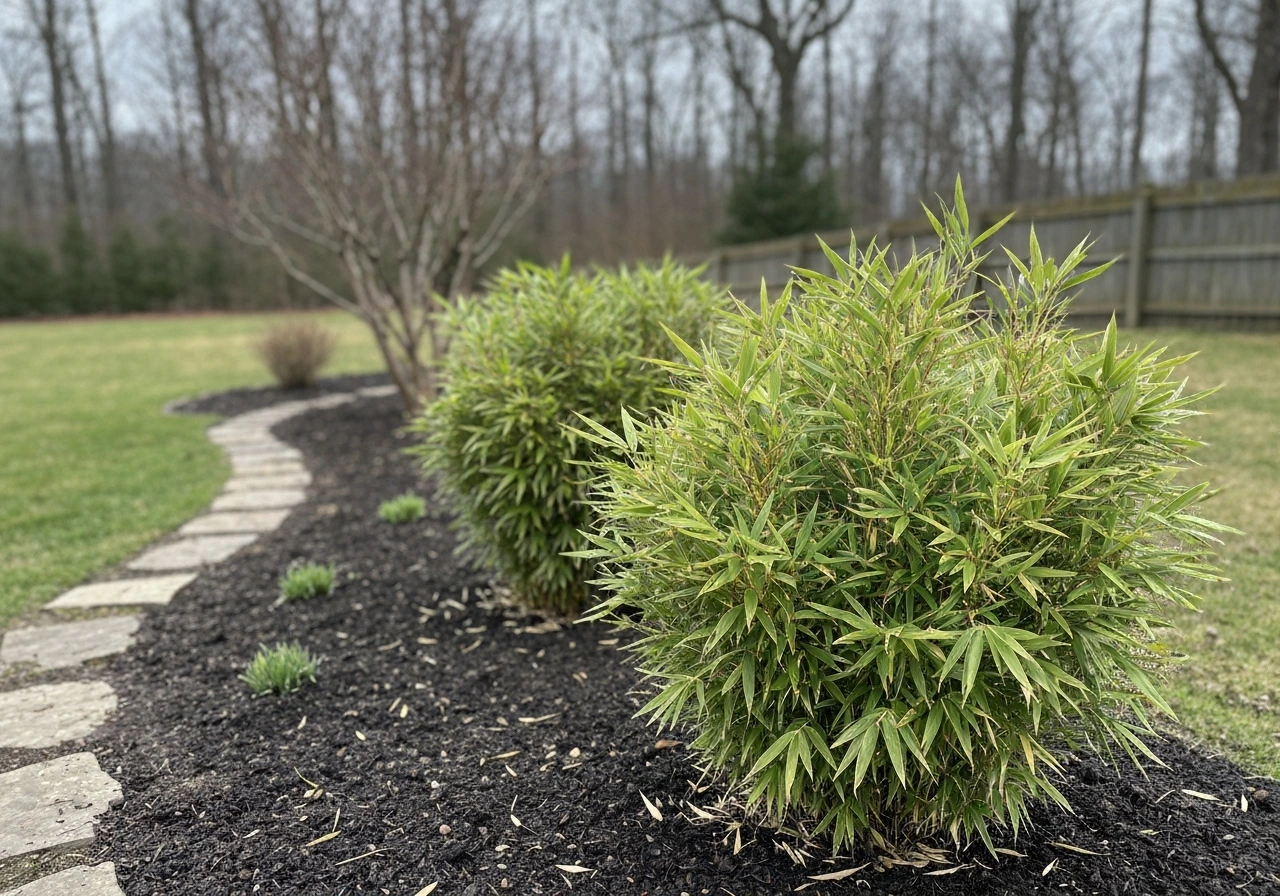
Yes, bamboo can grow in Massachusetts, and it can actually thrive there with the right species and setup. Massachusetts spans USDA Zones 5a through 7b, which means cold winters are the main challenge, not an absolute barrier. The Boston area sits around Zone 6b to 7a, so coastal and urban growers have more options than someone in the colder western hills.
Can Bamboo Grow in Massachusetts? Yes, With These Steps
Marcus Hartwell
10 Jun 2026
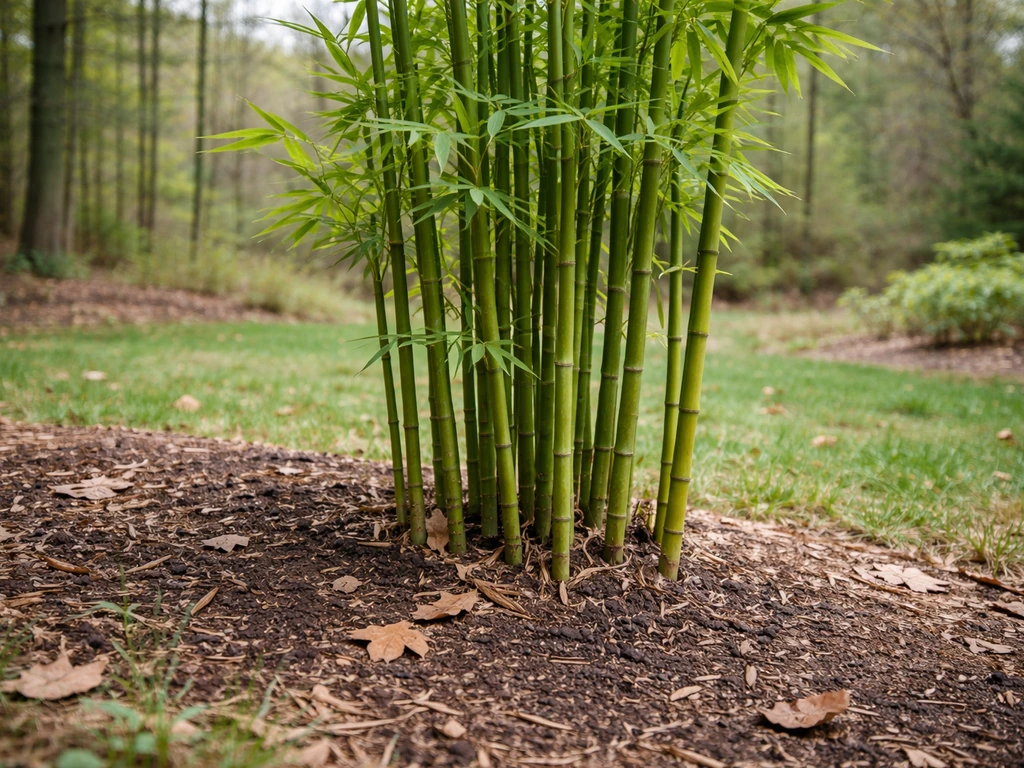
Pick a genuinely cold-hardy variety, give it a sheltered spot with good sun, manage the soil well, and protect the roots through winter, and you will have bamboo that survives and eventually takes off. If you are still wondering about planting feasibility, see does bamboo grow in new england for a broader look at how bamboo fares across the region.
Bamboo can grow in Maine if you choose truly cold-hardy varieties and protect the site from winter wind and moisture stress bamboo that survives.
Choosing the right bamboo for Massachusetts winters
This is the single most important decision you will make. There are hundreds of bamboo species, but for Massachusetts you need to narrow it down to ones that can handle genuine Zone 5 or Zone 6 cold, because even in Boston you can see temperatures drop into the single digits in a hard winter. The two big categories are clumping bamboos and running bamboos, and they behave very differently in the garden.
Clumping bamboos: the lower-maintenance choice
Fargesia is the genus you want if you prefer a well-behaved, non-spreading plant. These are native to mountain regions of China and are built for cold. Fargesia murielae is hardy to around 5°F (about -15°C), which covers most of Massachusetts comfortably. Fargesia robusta 'Campbell' is reported to handle as low as -22°C under good conditions, which gives you extra insurance in a brutal winter.
'Green Panda' (Fargesia rufa) is another solid performer rated well into Zone 5. These form tight clumps that expand slowly outward, a few inches per year, so they will never take over your yard. The trade-off is that they stay relatively compact, typically 6 to 12 feet tall depending on the cultivar, and they grow more slowly than running types.
Running bamboos: faster and taller, but you must contain them
Running bamboos in the genus Phyllostachys are the ones that can shoot up 20 or 30 feet and create a dramatic screen or grove. Phyllostachys bissetii is widely considered one of the hardiest runners, rated to around Zone 5 and sometimes cited as surviving -20°F to -25°F in the right conditions. The problem is that these plants spread aggressively via underground rhizomes that can travel 10 or 15 feet in a single season.
In Massachusetts, Phyllostachys is actually the most common running bamboo sold and planted, and towns like Lexington have enacted local bylaws requiring containment barriers or contained planters specifically because of this. Before planting any running bamboo, understand that containment is not optional, it is a legal and practical necessity. Also check the Massachusetts Prohibited Plant List before buying, as the state does have a legal framework for regulating invasive plants.
| Species | Type | Cold Hardiness | Height | Containment Needed |
|---|---|---|---|---|
| Fargesia murielae | Clumping | To about 5°F (Zone 6) | 8–12 ft | No |
| Fargesia robusta 'Campbell' | Clumping | To about -8°F (Zone 5) | 10–14 ft | No |
| Fargesia rufa 'Green Panda' | Clumping | Zone 5 range | 6–10 ft | No |
| Phyllostachys bissetii | Running | Zone 5, to -20°F+ | 15–25 ft | Yes, essential |
If you are a first-time bamboo grower in Massachusetts, start with a Fargesia. You will get a beautiful, manageable plant without the headache of containment infrastructure. If you want a tall privacy screen and are willing to do the barrier work properly, Phyllostachys bissetii is your best cold-hardy runner for this climate.
Massachusetts climate and site conditions
Massachusetts has more microclimatic variation than people realize. The coast and Greater Boston run warmer (Zone 6b to 7a), the Connecticut River Valley is moderate (Zone 6), and the Berkshires can drop into Zone 5a with serious winter cold and wind. The USDA ARS Plant Hardiness website provides the 2023 Plant Hardiness Zone Map, which is based on updated coldest-minimum temperature normals 2023 USDA Plant Hardiness Zone Map. Where you live determines both which species you can grow and how much winter protection you will need.
For sun, most bamboos want at least 4 to 6 hours of direct sun per day. Running Phyllostachys does best in full sun. Fargesias are more flexible and actually do well in light to moderate shade, which makes them great candidates for north-facing yards or spots with afternoon shade from buildings or trees. In fact, partial shade can help Fargesias in summer since they dislike intense heat and drought stress.
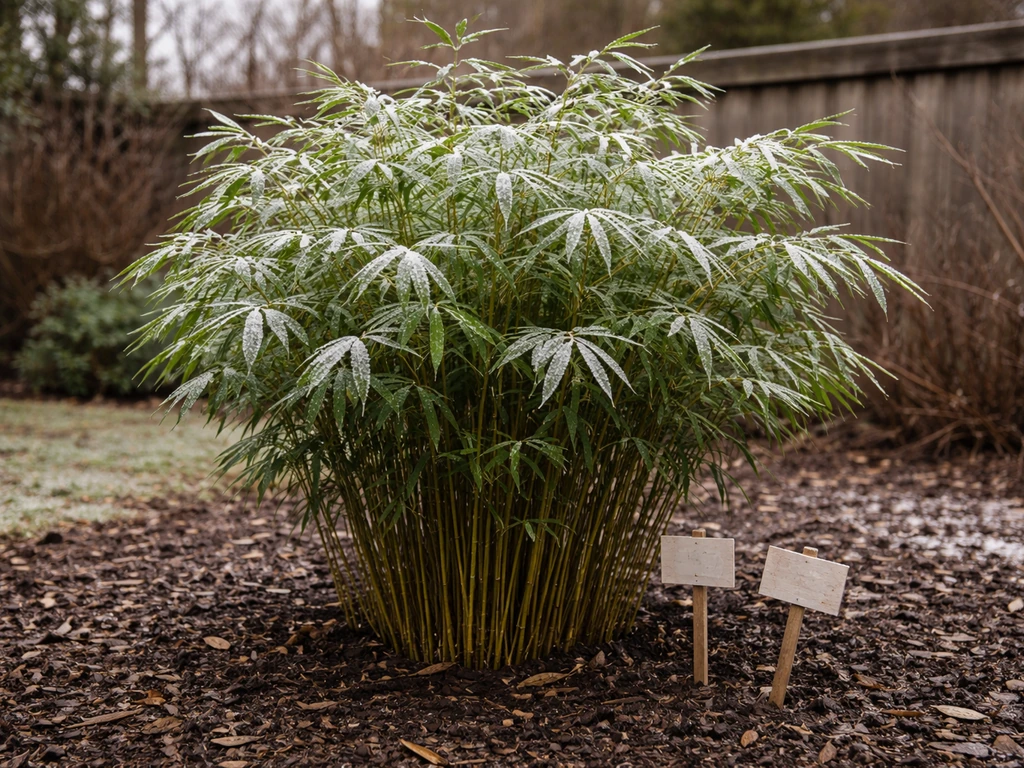
Wind is a bigger problem than most people anticipate. Winter wind in Massachusetts causes what is called desiccation: the canes lose moisture faster than frozen roots can replace it, and the leaves brown out or the canes die back. This is often mistaken for cold damage, but it is actually wind and moisture stress. The best sites are sheltered from prevailing northwest winter winds, think south-facing walls, building corners, or spots protected by a solid fence or evergreen hedge. A south or southeast exposure against a house foundation is genuinely the sweet spot in Massachusetts, especially in Zones 5 and 6.
Average first frost dates in Massachusetts range from early to mid-October in western and elevated areas to late October or even early November closer to the coast. Last frost dates run from late April in the Boston area to mid-May further inland. That gives you a growing season of roughly 150 to 180 days, which is enough for bamboo to establish and push new shoots each spring.
Soil, planting, watering, and feeding
Soil and drainage
Bamboo is not particular about soil pH but it absolutely requires good drainage. Roots sitting in waterlogged soil over a Massachusetts winter will rot, and no amount of cold-hardiness will save a plant with rotting roots. If your soil is heavy clay, amend the planting area with compost or plant on a slight raised berm. Sandy soils drain well but dry out fast in summer, so add compost there too. A loamy, well-draining soil with decent organic matter is the target.
When and how to plant
Spring is the best time to plant bamboo in Massachusetts, ideally May through early June after the last frost has passed. This gives the plant a full growing season to establish roots before facing its first winter. Fall planting is possible but risky because the roots do not have enough time to anchor before cold sets in. If you do plant in fall, water thoroughly before the ground freezes, mulch heavily right away, and accept that the plant will likely look rough in spring even if it survives.
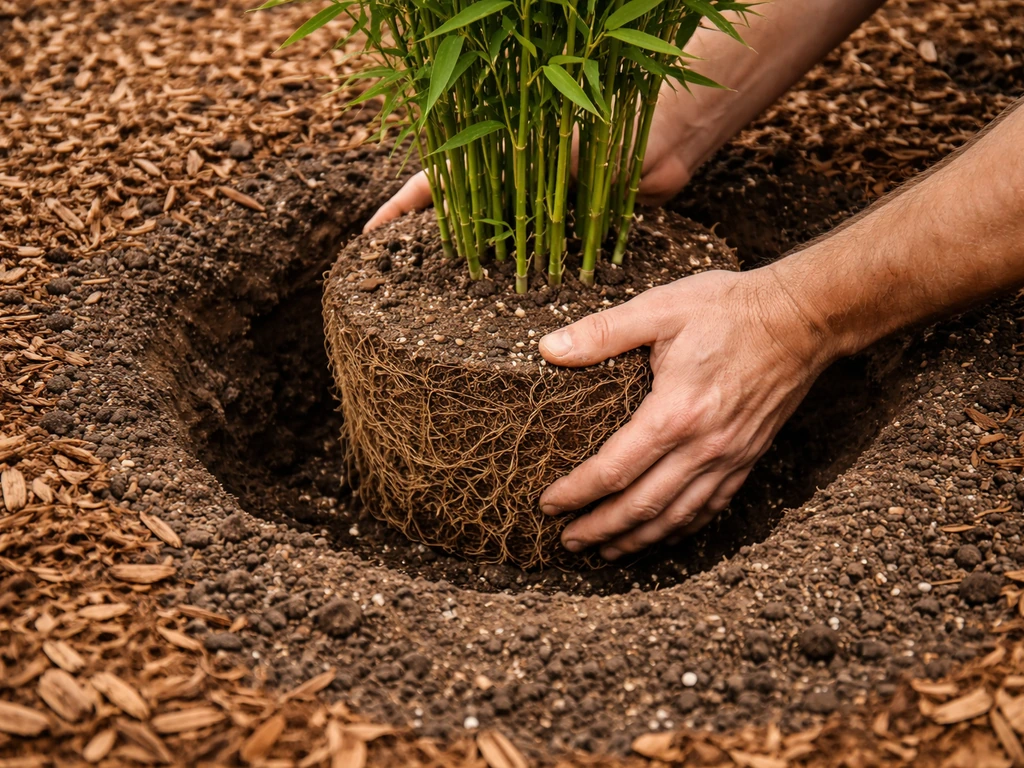
Dig a hole roughly twice the width of the root ball and the same depth. Apply about 3 inches of mulch around the planting area after you are done, keeping it a few inches away from the base of the plant. That buffer between mulch and stem is important: mulch piled against the canes traps moisture and encourages rot right at the crown.
Watering
Newly planted bamboo needs consistent moisture for its entire first growing season. Water deeply once or twice a week during dry stretches rather than shallow daily watering. Once established (typically after year two), bamboo becomes reasonably drought-tolerant, but in hot Massachusetts summers you will still want to water during extended dry periods. One underrated tip: water your bamboo well in late October before the ground freezes. This loads the tissues with moisture and dramatically reduces winter desiccation damage, particularly on exposed sites.
Fertilizing
Bamboo is a grass and responds well to high-nitrogen fertilizer. Feed it two or three times during the growing season, starting in spring when new shoots emerge, again in early summer, and optionally once more in midsummer. A standard lawn-type granular fertilizer works fine. The critical rule for Massachusetts gardeners: stop fertilizing completely by late August. Fall fertilization pushes tender new growth that has no time to harden off before cold arrives, and that soft growth is the first thing to die in winter.
Getting bamboo through a Massachusetts winter
Winter management is where Massachusetts growers either succeed or lose their plants. The two main threats are root kill from sustained extreme cold and cane desiccation from wind. Here is how to address both.
Mulching the root zone
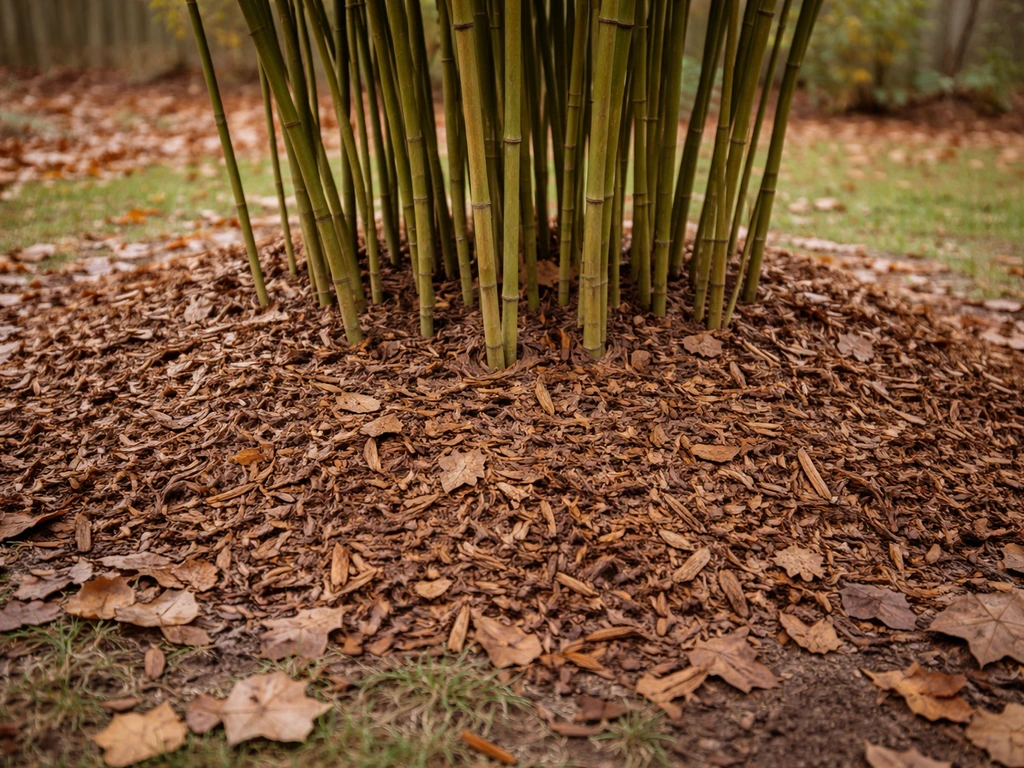
Apply a 4 to 6 inch layer of mulch over the entire root zone before the ground freezes, typically in November in most parts of Massachusetts. Use shredded bark, wood chips, straw, pine needles, or leaf mold. This insulates the rhizomes, which are the most cold-sensitive part of the plant. Even if the canes die back in a particularly brutal winter, surviving rhizomes can push new shoots in spring. Keep mulch a few inches away from the base of the canes to avoid rot, and do not pile it so thick that you create a soggy anaerobic mat. The goal is insulation without waterlogging.
Protecting canes from wind desiccation
In exposed locations, particularly Zone 5 areas or sites with strong northwest exposure, wrapping the canes or erecting a burlap windbreak on the windward side can make a real difference. You do not need to wrap every individual cane; a burlap screen staked on the north and west sides of the plant is usually enough. Some growers tie the canes loosely together to reduce surface area exposed to wind. Fargesias, because of their naturally arching and dense form, are actually less vulnerable to this than upright Phyllostachys canes.
What dieback looks like and what to do about it
Do not panic if your bamboo looks terrible in March. Brown, shriveled leaves and even brown canes after a harsh Massachusetts winter are common, especially in the first two or three years. Wait until May before cutting anything back. By then you will be able to tell which canes are truly dead (they will be brown all the way through and will not scratch green near the surface) versus ones that are just weathered but still alive. Cut dead canes to the ground, keep the mulch on until after the last frost, and new shoots should appear from the rhizomes by late May or June.
Containing running bamboo: do not skip this step
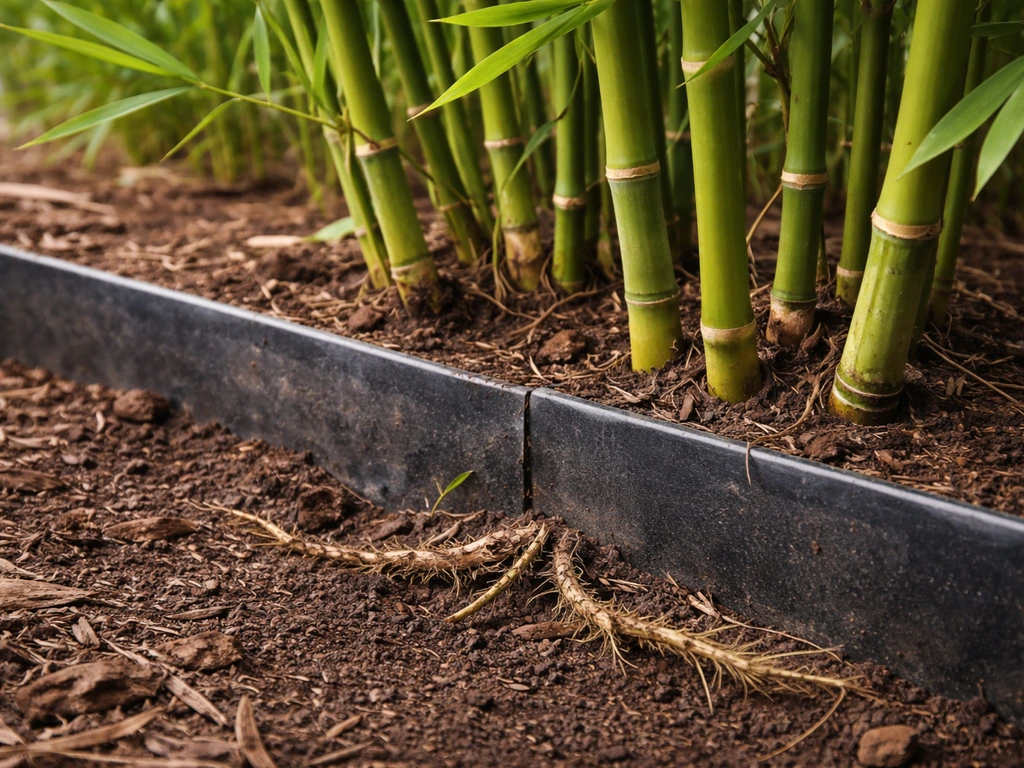
If you are planting any running bamboo, the containment system needs to go in before or at the same time as the plant. Retrofitting a barrier after the fact is a miserable job. The standard approach is a high-density polyethylene (HDPE) rhizome barrier, at least 60 mil thickness, installed to a depth of 30 inches around the planting area. Leave the top edge of the barrier sticking 2 to 3 inches above the soil surface, or raise a small berm 6 to 8 inches high so rhizomes trying to escape are pushed to the surface where you can cut them.
One common failure mode: organic debris and decomposing mulch builds up along the inside edge of the barrier over time, raising the effective soil level. Rhizomes can then grow right over the top of a barrier that was originally deep enough. Inspect the barrier edge once or twice a year and clear away any debris buildup. Also walk the perimeter in spring and cut back any rhizomes that have made it over or around the edge.
Alternatively, plant running bamboo in a large container or raised bed with a solid bottom. This is actually a practical option for Massachusetts gardeners who want the look of Phyllostachys but do not want to manage barrier maintenance. A large stock tank or a built cedar raised bed can work well, and in very cold spots you get the bonus of being able to insulate the container sides in winter.
As noted above, local bylaws can add legal pressure here. Lexington, MA requires containment and enforces it with fines. Other Massachusetts towns may have similar rules or be moving in that direction. Check with your local municipality before planting a running type, especially near property lines.
What to expect year by year
There is an old saying about bamboo: the first year it sleeps, the second year it creeps, the third year it leaps. That is a fair description of what happens in Massachusetts too, though the timeline can stretch slightly in colder zones or after tough winters.
- Year 1: The plant mostly sits there. It is establishing its root system underground and may push a few small shoots. Do not judge the plant by what you see above ground this year. Keep it watered, mulch it well for winter, and leave it alone.
- Year 2: You will start to see more activity. More shoots emerge in spring, and they will be closer in diameter to the original canes. For Fargesias, the clump begins to widen noticeably. For running types, you may see your first rhizome runs. The plant is gaining confidence.
- Year 3 and beyond: This is when things get genuinely exciting. A well-established cold-hardy bamboo in a good Massachusetts site will push multiple new culms each spring, and those culms reach their full height within a single shooting season (a matter of weeks, not years). Phyllostachys bissetii in full establishment can push shoots that grow several inches per day. Fargesias grow more modestly but the clump fills in visibly each year.
- Year 4 to 5: A mature, established grove or clump. At this point you are managing growth rather than nursing the plant. Annual spring fertilizing, summer watering during drought, and fall mulching become your routine.
One honest note on cold-climate bamboo: the culm diameter and height you see in a Massachusetts planting will typically be smaller than what the same species achieves in Zone 7 or 8. A Phyllostachys bissetii that might hit 25 feet in Virginia may top out at 15 to 18 feet in central Massachusetts. If you are wondering whether bamboo can grow in Virginia, the good news is that conditions are often more forgiving than in colder parts of Massachusetts.
That is still impressive, and it is a realistic expectation to have going in. The same applies to neighboring states: bamboo growers in New York, Pennsylvania, and New England generally deal with similar limitations, so comparing notes with regional growers is genuinely useful. If you are wondering does bamboo grow in Pennsylvania, the same cold, wind, and containment considerations will largely determine your best options New York, Pennsylvania, and New England.
Bamboo can potentially grow in New York too, but you will need to choose cold-hardy varieties and plan for winter wind and moisture protection Bamboo growers in New York.
Your practical next steps
If you are ready to move forward, here is the short version of what to do right now, in June 2026, which is actually a great time to plant.
- Check your specific USDA zone at the USDA Plant Hardiness Zone Map website using your zip code. Massachusetts ranges from Zone 5a to 7b, and knowing your exact zone changes which species are safe bets.
- Decide between clumping (Fargesia, low maintenance, no containment) and running (Phyllostachys, faster and taller, requires barrier). If in doubt, start with Fargesia murielae or Fargesia robusta 'Campbell'.
- Identify the most sheltered, south-facing spot in your yard with good drainage and at least 4 hours of sun. That microclimate does more work than almost any other factor.
- If planting a running type, install your HDPE barrier now, before the plant goes in the ground.
- Check the Massachusetts Prohibited Plant List and your town's local ordinances before purchasing.
- Plant now through early July, water deeply once or twice a week through the rest of the season, fertilize once more in midsummer, then stop.
- In November, apply 4 to 6 inches of mulch over the root zone, keeping it clear of the cane bases.
- In spring, wait until May to assess winter damage before cutting anything back.
Massachusetts is not the easiest place in the country to grow bamboo, but it is far from impossible. Gardeners across the state are doing it successfully right now, and with the right species and a bit of deliberate site selection, you can be one of them.
FAQ
Can I grow bamboo in Massachusetts in a container?
Yes, but only if you use a cold-hardy clumping bamboo (often Fargesia). For running bamboos, plan on extra winter work because the barrier and rhizome depth become critical in pots, and you must prevent the root zone from staying wet through cold rain and freeze-thaw cycles.
What is the best time to transplant bamboo in Massachusetts, and is it different for clumping vs running?
Usually the safest strategy is to keep clumping bamboos in place, and if you must move a plant, transplant in spring after growth begins but before heat peaks. Running types should be divided or moved only with careful root and rhizome management, since breaking the rhizome network can start new shoots where pieces remain.
How can I tell if my bamboo is actually dead after winter?
A simple rule is to wait until late spring to cut anything back, because canes may look dead while they are only wind-damaged. Confirm by scratching the cane surface for green tissue and by checking whether new shoots emerge from the rhizome area by late May or June.
My bamboo is late to leaf out, should I fertilize or do something else?
If shoots appear later than expected, resist fertilizing or heavy feeding. Instead, focus on thawing and drainage, keep mulch in place for insulation, and water during dry stretches, then let new growth catch up once soil warms.
Is it normal for bamboo to look worse for the first few years in Massachusetts?
Expect more visible damage in the first 2 to 3 years, especially on exposed sites. However, if your rhizomes are alive, the plant should recover by pushing new shoots in spring, even if many above-ground canes died back.
What is the most common reason running bamboo containment fails in Massachusetts?
For most Massachusetts setups, a barrier that is too shallow or that gets buried by accumulating soil or decomposing mulch is a common reason running bamboos escape. Inspect the perimeter 1 to 2 times per year, especially after heavy leaf drop or seasonal settling.
How should I space bamboo plants in Massachusetts to reduce winter problems?
No, not at the same spacing you would use for tropical ornamentals. Massachusetts gardens usually need a wider spacing for clumping types to maintain airflow and reduce winter dieback from prolonged damp conditions, while running bamboos should be spaced based on the barrier footprint rather than individual plant size.
Can bamboo provide privacy in Massachusetts without taking over the yard?
Yes, but only if you choose species that can take Massachusetts cold and if you can match soil and moisture patterns. Also, remember that privacy benefits from height take time, bamboo often looks shorter initially due to climate limits compared with warmer regions.
If I already planted a running bamboo, can I fix containment later without causing trouble?
For running bamboos, the containment system should be installed before planting or at the same time, and the barrier top edge must stay above the soil level (or you must build a berm). After that, you still need periodic perimeter walks and rhizome trimming to stop escapes.
How do I know if my soil is good enough for bamboo in Massachusetts (and how do I fix it)?
Test drainage before you plant. If water ponds after rain or stays wet for days, treat it as a problem site, because rot can happen even when the species is cold-hardy. Improve drainage with compost, planting on a slight berm, or selecting a different location.
What winter exposure matters most for bamboo survival in Massachusetts?
In most yards, the biggest risk is winter desiccation from wind rather than summer heat alone. If you can, prioritize a south or southeast sheltered exposure and consider a burlap windbreak on the north and west sides for the first few winters.
How often should I water bamboo in Massachusetts once it is established?
Not usually. Once established, bamboo generally handles drought better than newly planted rhizomes, but late-season watering in late October helps reduce winter moisture loss. During summer drought, water deeply during extended dry periods rather than daily shallow watering.
Next Article
Does Bamboo Grow in Virginia? Planting Guide and Tips
Learn if bamboo grows in Virginia and get a practical planting guide: zones, timelines, site needs, and spread control.