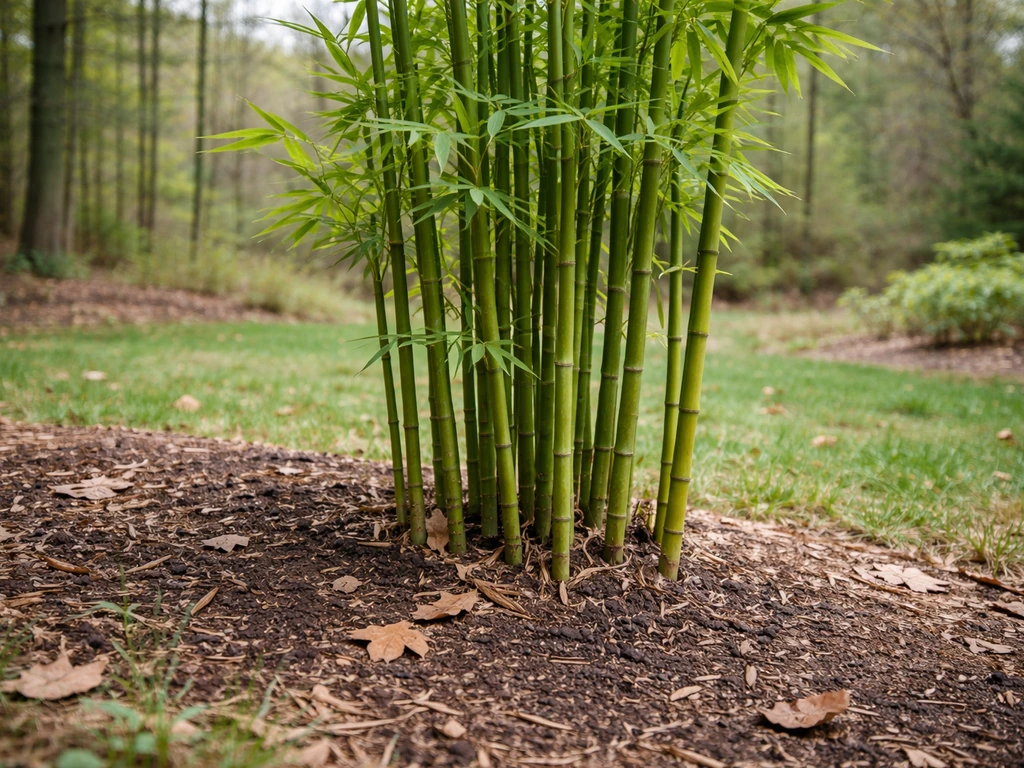
Yes, bamboo can grow outdoors in New England, but you need the right species, the right planting spot, and a realistic picture of what winters will do to it. The cold-hardy running bamboos, especially Phyllostachys bissetii, survive Zone 5 winters with minimal die-back. Clumping bamboos are far more limited here. Get those two things right, and you can have a thriving, established grove within three to five years.
Does Bamboo Grow in New England? Cold-Hardy Options and How-To

Marcus Hartwell
19 Jun 2026
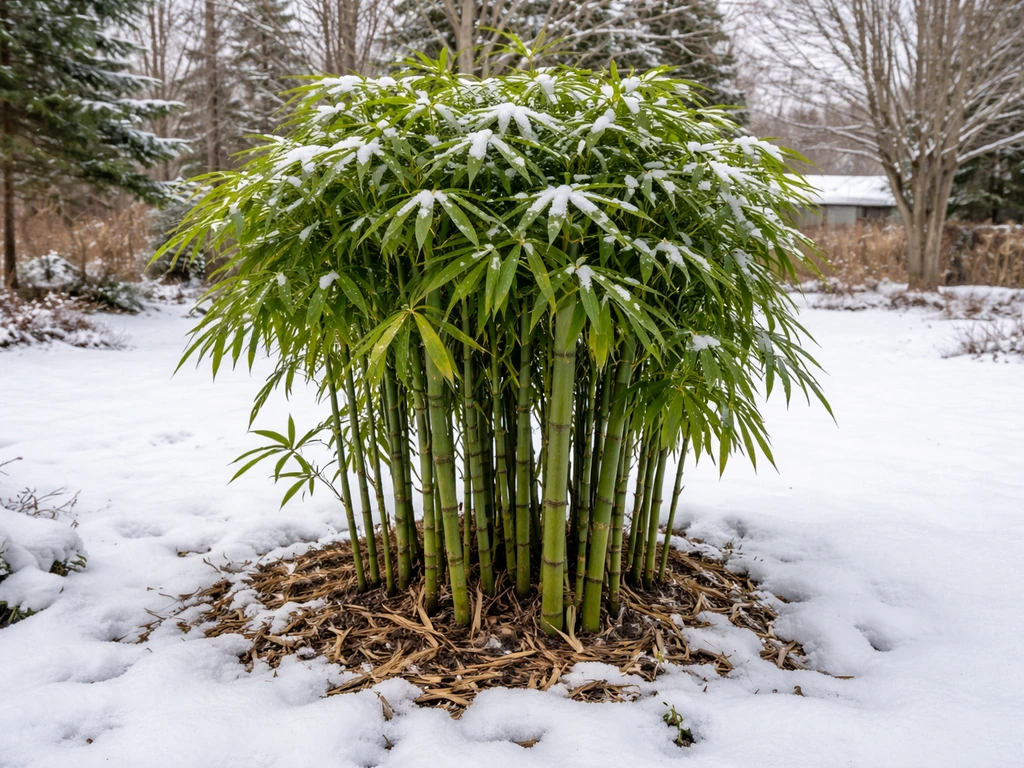
What New England's climate actually does to bamboo
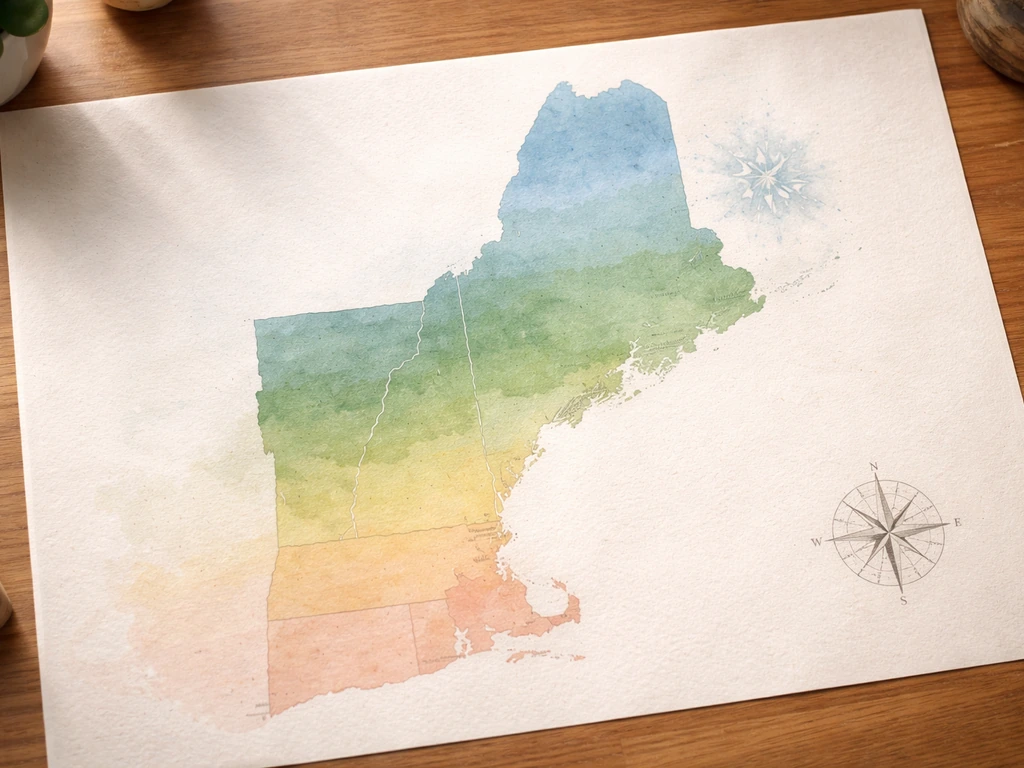
New England spans USDA hardiness zones 4b through 7a, depending on where you are. Coastal Connecticut and Rhode Island sit around Zone 6b to 7a, meaning average winter lows around 0 to 10°F. Boston's freeze window runs roughly from early November through early April. Move inland to Vermont or up to Maine and you're dealing with Zone 4b to 5b, where winter lows can hit -20°F in a cold year. Bamboo can grow in Virginia, but success depends on choosing cold-hardy species and matching the right planting conditions. Portland, Maine's January normal lows hover near 12°F, but extreme cold snaps push well below that. Burlington, Vermont sees similar exposure.
That range matters enormously because bamboo hardiness isn't a single number. A bamboo rated to -5°F will sail through a Connecticut coastal winter but struggle badly in a Vermont valley. The good news is that microclimates soften those numbers significantly. A south-facing wall, proximity to a body of water, or a sheltered courtyard can push your effective zone one full step warmer. Before you buy anything, walk your property and find those warm pockets. They're where bamboo has a real shot.
The growing season is the other constraint. Much of New England gets 140 to 180 frost-free days. Bamboo needs those warm months to push new culms and build root mass. A shorter season doesn't prevent growth, but it does slow establishment and limits how tall your bamboo will ultimately get compared to warmer climates. If you're wondering does bamboo grow in Maine, the short answer is it can, but only with the right cold-hardy species and a solid planting setup.
Clumping vs. running bamboo: which one actually works here
This is the most important decision you'll make, so let's be direct. Most clumping bamboos, the well-behaved Fargesia types popular in Pacific Northwest gardens, are rated to Zone 5 but they hate heat and humidity combined with cold. New England summers can be humid and warm enough to stress them, especially inland. Clumping bamboos are worth trying in shaded, cool spots in higher-zone coastal areas, but they're genuinely marginal for most of the region. If you're asking can bamboo grow in Massachusetts, the short answer is yes with the right cold-hardy variety, microclimate, and site prep.
Running bamboos in the Phyllostachys genus are a different story. Several species are genuinely cold-hardy and thrive in the Northeast's climate swings. The trade-off is that they spread aggressively via underground rhizomes, which means containment is non-negotiable. If you plant a running bamboo without a barrier, you will spend years regretting it.
| Bamboo Type | Cold Hardiness | Spread Behavior | Best for New England? |
|---|---|---|---|
| Phyllostachys bissetii | Zone 5 (-20°F) | Running, aggressive | Yes, with containment |
| Phyllostachys aureosulcata (Yellow Groove) | Zone 5 (-20°F) | Running, moderate-aggressive | Yes, with containment |
| Phyllostachys nuda | Zone 5 (-20°F) | Running | Yes, with containment |
| Fargesia murielae (Umbrella Bamboo) | Zone 5 | Clumping, slow | Marginal; cooler shaded spots only |
| Fargesia robusta | Zone 6 | Clumping | Southern CT/RI coast only |
| Bambusa (tropical clumping) | Zone 8-9 | Clumping | No, won't survive outdoors |
Among the running options, P. bissetii is consistently the standout performer in cold climates. Growers who've tested multiple Phyllostachys side by side report that bissetii shows the least winter dieback and dead culm count compared to other species in the same planting. It's not the flashiest bamboo, but in Zone 5 New England, it's the reliable workhorse. P. aureosulcata is a close second and has beautiful yellow-green striped culms if you want the ornamental look.
Picking the right planting spot
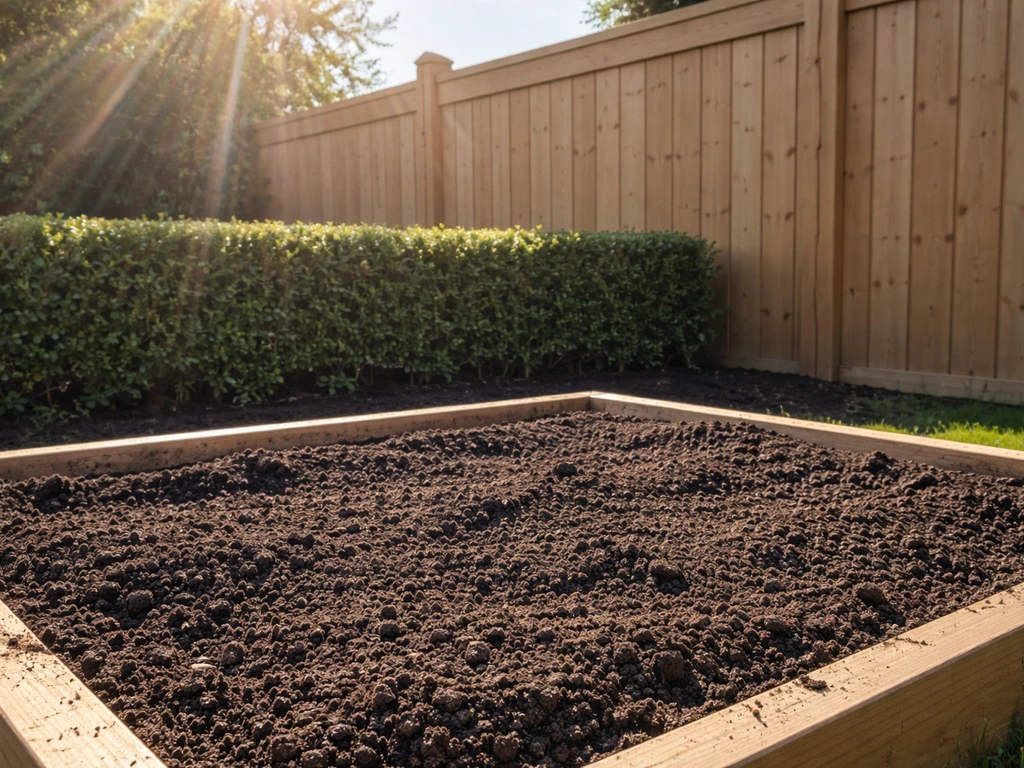
Sun is bamboo's fuel. Aim for at least six hours of direct sun daily. Bamboo will tolerate partial shade but grows more slowly and produces thinner, weaker culms. More sun equals faster establishment and denser groves.
Wind is the underrated killer in New England. Winter winds desiccate bamboo leaves before the roots can supply moisture, causing the tips and edges to brown or the entire culm to die back. A windbreak is almost as important as sun. Plant on the south or southeast side of a building, fence, or established hedge. If you have no windbreak, plan to create one or build temporary burlap screens for the first couple of winters.
Drainage is non-negotiable. Bamboo roots sitting in waterlogged soil through a New England freeze-thaw cycle will rot. Pick a spot where water drains freely after a heavy rain. If you're working with heavy clay, amend deeply or build a raised bed. Sandy or loamy soils with good organic content are ideal.
- South or southeast-facing exposure for maximum sun and warmth
- Sheltered from prevailing northwest and west winter winds
- Well-drained soil, never wet or low-lying
- Soil pH between 5.5 and 6.5 (slightly acidic), similar to what most ornamental grasses prefer
- Away from septic systems, underground utilities, and areas where rhizome spread would cause problems
Planting, watering, and what the first year looks like
Plant in late spring, once the soil has warmed and your last frost date has passed. This gives your bamboo the maximum growing season to establish roots before winter. Dig a hole about twice the width of the root ball and the same depth. Mix compost or aged organic matter into the backfill at roughly a 30 to 40 percent ratio. Set the plant so the crown sits at or just slightly above grade to allow for settling.
Water is where most first-year bamboo plantings fail. New transplants need frequent, deep watering, especially in the first two to three months. The American Bamboo Society specifically calls out newly planted bamboo as needing liberal watering. In a typical New England summer, plan on deep watering two to three times per week during dry stretches, not a quick surface spray. You want moisture to penetrate 12 to 18 inches into the soil.
Apply a 3 to 4 inch layer of wood chip or shredded leaf mulch around the plant, keeping it a couple of inches away from the culms. Mulch moderates soil temperature and holds moisture, which is especially important heading into your first fall. Don't expect dramatic top growth in year one. Most of the plant's energy is going underground, expanding the rhizome network. You might see one or two new culms that first spring or summer. That's normal, not failure.
By year two, assuming the plant survived winter, you'll start seeing more shoots emerging in spring. By year three to four, a well-sited, well-watered Phyllostachys will be visibly spreading and producing progressively larger culms each season. Full establishment and a truly impressive grove takes five or more years in New England, compared to two to three years in warmer climates like Virginia or Pennsylvania. If you're wondering does bamboo grow in Pennsylvania, the short answer is yes, but success depends on picking cold-hardy species and giving them enough sun and protection.
Getting bamboo through a New England winter
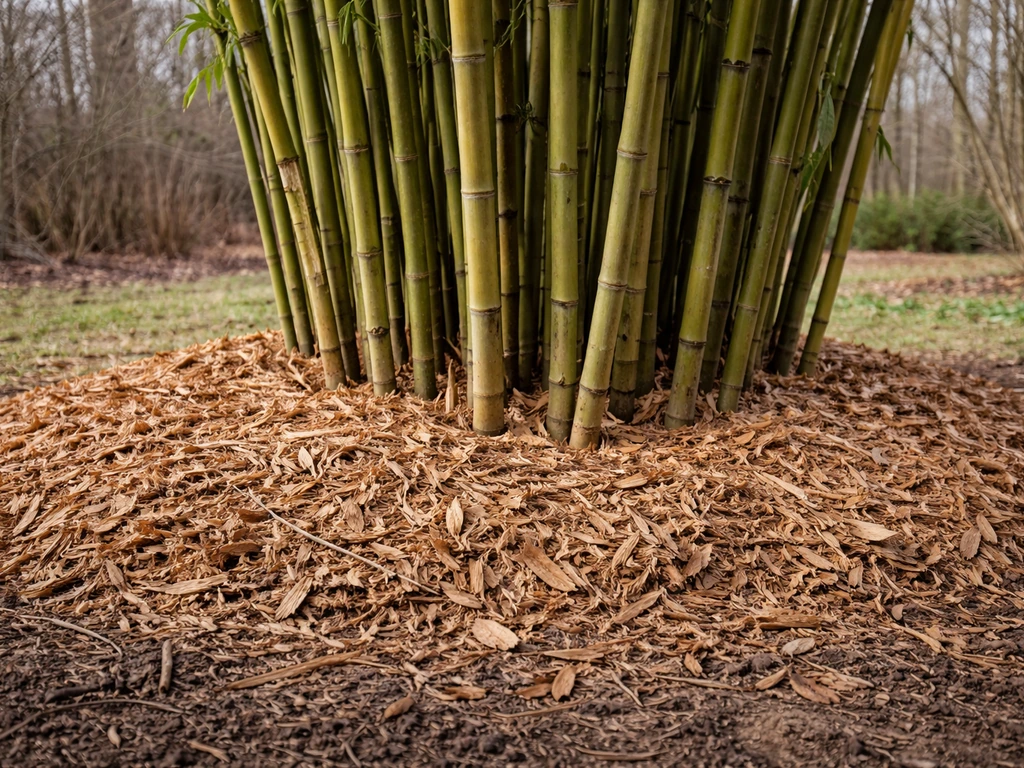
The first and second winters are the highest-risk period. An established bamboo with a deep, extensive rhizome network is far more resilient than a young transplant. Here's how to protect a young planting.
- In late October or early November, top up your mulch layer to 4 to 6 inches thick. UConn's extension research confirms that mulch insulates roots, buffers freeze-thaw cycles, and reduces frost heaving pressure on shallow root systems.
- Wrap a temporary burlap windscreen around the planting on the north and west sides if you're in Zone 5 or colder. Staple it to stakes rather than wrapping it directly around the culms, which can trap moisture.
- Avoid cutting back the culms in fall. Leaves help the plant photosynthesize during warm spells and the culms themselves provide some wind protection to the crown.
- Check the mulch layer after major ice storms or snowfall. Packed snow is actually a decent insulator, but cracking ice sheets can damage culms. Gently dislodge heavy ice if possible.
- In early spring, once frost risk has passed, pull back some of the mulch from directly around the crown to let the soil warm faster and encourage early shoot emergence.
After two or three successful winters, you can scale back the winter prep significantly. A mature, established Phyllostachys bissetii in a good microclimate will handle Zone 5 cold with nothing more than a maintained mulch layer.
Containing running bamboo before it takes over
If you plant a Phyllostachys without containment, you are making a long-term problem for yourself and potentially your neighbors. Running bamboo rhizomes grow relatively shallowly, typically less than one foot deep, but they travel fast. Without a barrier, a mature grove can push 5 to 10 feet outward per year. This is manageable if you plan for it, but it must be planned before planting, not after.
Install a rhizome barrier at planting time
The standard recommendation from UConn and commercial bamboo specialists is a high-density polyethylene barrier installed at least 18 inches deep. Thicker is better: 60 mil or heavier is what most professionals use. Dig a trench around your planned bamboo area, set the barrier vertically so it extends slightly above ground level (this prevents rhizomes from arching over the top), and overlap the seam ends by at least 12 inches. Seam failure is the number one reason barriers stop working. Rhizomes are surprisingly good at finding the slimmest gap where two barrier ends meet. Secure the overlap tightly and check it each spring.
Annual maintenance keeps the barrier effective
Each spring, before new shoots emerge, walk the perimeter of your bamboo planting and look for rhizomes that have reached the top edge of the barrier or escaped at ground level. Cut any escapees back with a shovel or pruning saw as soon as you spot them. Early-season rhizomes are easy to cut; ones that have been growing for a full season are woodier and more work. A half hour of inspection and cutting each spring is dramatically easier than dealing with bamboo that has colonized a neighbor's yard.
Some growers use an open trench or moat system instead of a physical barrier: simply leave a 12-inch-wide trench around the planting and cut any rhizomes that attempt to cross it. This works but requires more frequent attention than a properly installed barrier. It's a reasonable low-cost option if you're experimental and attentive, less so if you're busy or forgetful.
Worth noting: bamboo legality and regulation varies by state and municipality. Some areas in the Northeast have restrictions specifically on running bamboo, so it's worth checking your local ordinances before you plant. The question of whether bamboo is legally restricted where you live is related enough that it deserves its own look if you're in a densely developed area. The University of Maryland Extension notes that containment planning and regulatory considerations can apply to certain Phyllostachys species in Maryland, which can be relevant when you’re choosing and managing running bamboo in the Northeast blank" rel="noopener noreferrer">regulatory considerations for certain Phyllostachys species in Maryland.
The realistic bottom line for New England gardeners
Bamboo can genuinely thrive in New England if you pick a cold-hardy running species like P. bissetii, plant it in a warm, wind-sheltered, well-drained spot, protect it through the first two winters with mulch and a windscreen, and install a proper rhizome barrier before the roots ever go in the ground. Skip any one of those steps and your results will be frustrating. Get them all right and within five years you'll have a dramatic, low-maintenance screen or grove that handles Zone 5 winters without drama. It's not the easiest plant to establish here, but it absolutely works.
FAQ
If I only have a small yard, can I still grow bamboo in New England safely?
Yes, but only if you choose a running bamboo with professional-grade containment. Clumping types are less likely to escape, yet many clumping varieties are still marginal in cold New England summers. For running bamboo, install the barrier before planting and keep the grove edges away from property lines, paths, and utility lines. Even with a barrier, plan space for inspection and occasional barrier repair.
Do I need to cover bamboo during New England winters if I’m planting in the right zone?
Often you only need mulch once the plant is established, but first- and second-year plants benefit from extra protection. Focus on wind protection (burlap windscreen or a temporary barrier) and keep mulch around the base to moderate freeze-thaw. Avoid heavy snow piling directly on young culms, it can snap them and create entry points for rot.
What does “minimal die-back” mean for P. bissetii, and is it normal for culms to die after winter?
Die-back usually means some tips brown or some older culms die, while the rhizome network survives and sends new shoots in spring. It is normal to lose more top growth in the coldest winters, especially in exposed sites. If you see no new shoots by late spring, check soil drainage and verify that the rhizomes did not rot from waterlogged ground.
Can I grow bamboo in New England in full shade?
You can keep it alive longer in deep shade, but expect slow growth and weaker culms. Your best results come from at least six hours of direct sun daily, or use microclimates like a south-facing wall to get warmth plus some sun. If shade is unavoidable, prioritize wind protection and be patient, establishment may take longer than the typical 3 to 5 year timeline.
How deep does a rhizome barrier need to be, and what happens if it’s too shallow?
The barrier should be installed at least 18 inches deep, and many professionals use 60 mil or thicker for rigidity and durability. If the barrier is too shallow, rhizomes can cross under it during active growth, especially in loose soil. Shallow barriers also increase the chance of seam failure because gaps are harder to keep sealed at depth.
Is it better to use a moat or a physical barrier for running bamboo?
A moat can work, but it demands consistent attention, you must keep cutting rhizomes that attempt to cross. A properly installed barrier is more forgiving if you travel or miss a season of maintenance. If you pick a moat, treat it like a recurring chore for years, not a one-time setup.
Can I plant bamboo in the fall in New England?
Fall planting increases winter stress because rhizomes have less time to establish roots before the deep freeze. The safer approach is late spring after soil warms and your last frost has passed, this gives the plant time to build root mass. If you must plant later, extend watering and winter protection, and accept slower establishment the first year.
How often should I water bamboo after planting, and how can I tell if I’m overwatering?
Plan on deep watering two to three times per week during dry stretches in the first two to three months, you want moisture 12 to 18 inches down. Overwatering signs include persistently soggy soil, sour smell, and soft or blackened rhizomes or crown areas. If your soil stays wet for days after rain, improve drainage or raise the planting bed before adding more water.
What mulch should I use, and can mulch trap moisture and cause rot?
Wood chip or shredded leaf mulch is ideal, use 3 to 4 inches and keep it a couple inches away from culms. Mulch moderates temperature and reduces evaporation, it should not create a wet, compact “mat” against the crown. If you notice the base staying wet and cold for long periods, reduce thickness and improve airflow around the planting.
Will bamboo spread into my neighbor’s yard even with a barrier?
It is possible if containment is flawed, most commonly due to seam gaps, a barrier that was installed too shallow, or missed escapes during the first spring inspection. That is why you should check the perimeter before new shoots emerge and cut any escaped rhizomes quickly. Also keep the barrier a foot or more away from structures where soil movement can shift it.
Are there any legal or HOA issues I should know before planting running bamboo in New England?
Yes. Regulations and HOA rules can restrict running bamboo or require specific containment methods. The article mentions that legality varies by state and municipality, and that matters most if you share borders or live in a planned community. Check local ordinances, and if needed, get written confirmation before planting.
What are common first-year bamboo mistakes in New England?
The most frequent are too little sun, poor drainage, weak wind protection, and treating watering as a light daily task. Many plants also fail due to skipping containment for running bamboo or forgetting spring barrier inspections. If you want a realistic success plan, treat the first two winters and the first year watering schedule as the highest priority.
Next Article
Can Bamboo Grow in Massachusetts? Yes, With These Steps
Yes, bamboo can grow in Massachusetts with cold hardy choices, right sun, drainage, timing, and winter protection.