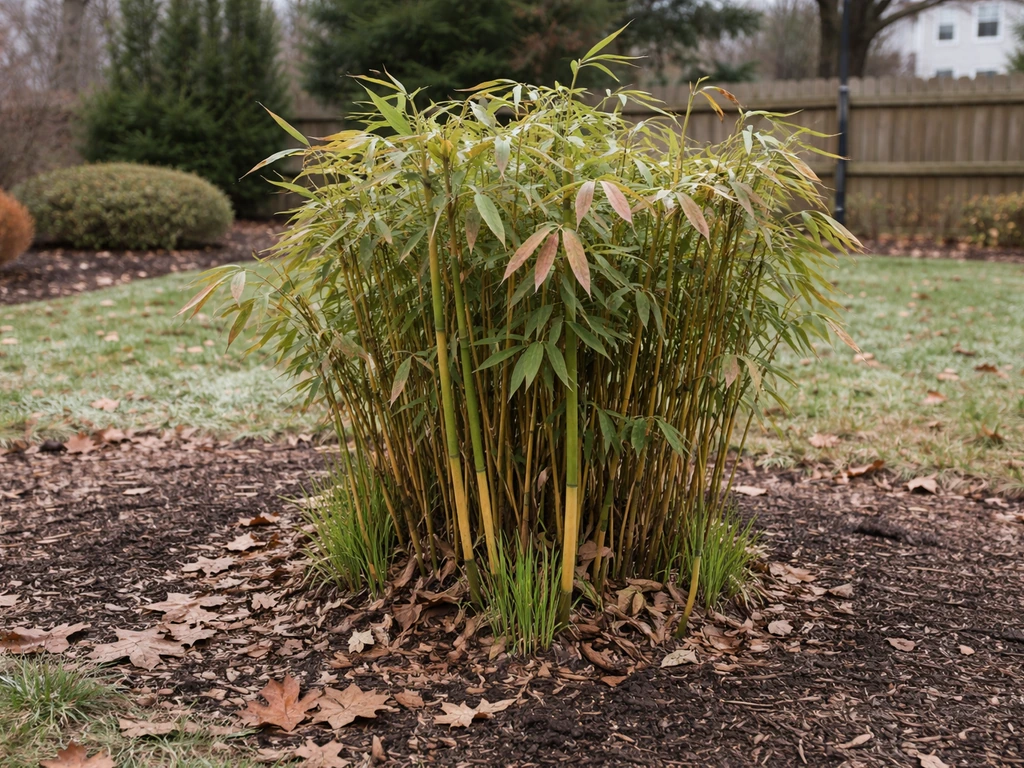
Yes, bamboo grows in Virginia, and it can thrive there with the right species and placement. Virginia spans USDA hardiness zones 5A (mountain areas hitting -20°F) all the way to 8B (Hampton Roads, where winter lows stay above 15°F), which means the state is genuinely hospitable to a wide range of bamboo species. The key is matching the species to your specific zone and giving it a spot with decent sun, good drainage, and wind protection. Get those things right, and bamboo in Virginia is not just possible, it's often impressively successful.
Does Bamboo Grow in Virginia? Planting Guide and Tips
Marcus Hartwell
7 Jun 2026
Which bamboo species actually survive Virginia winters
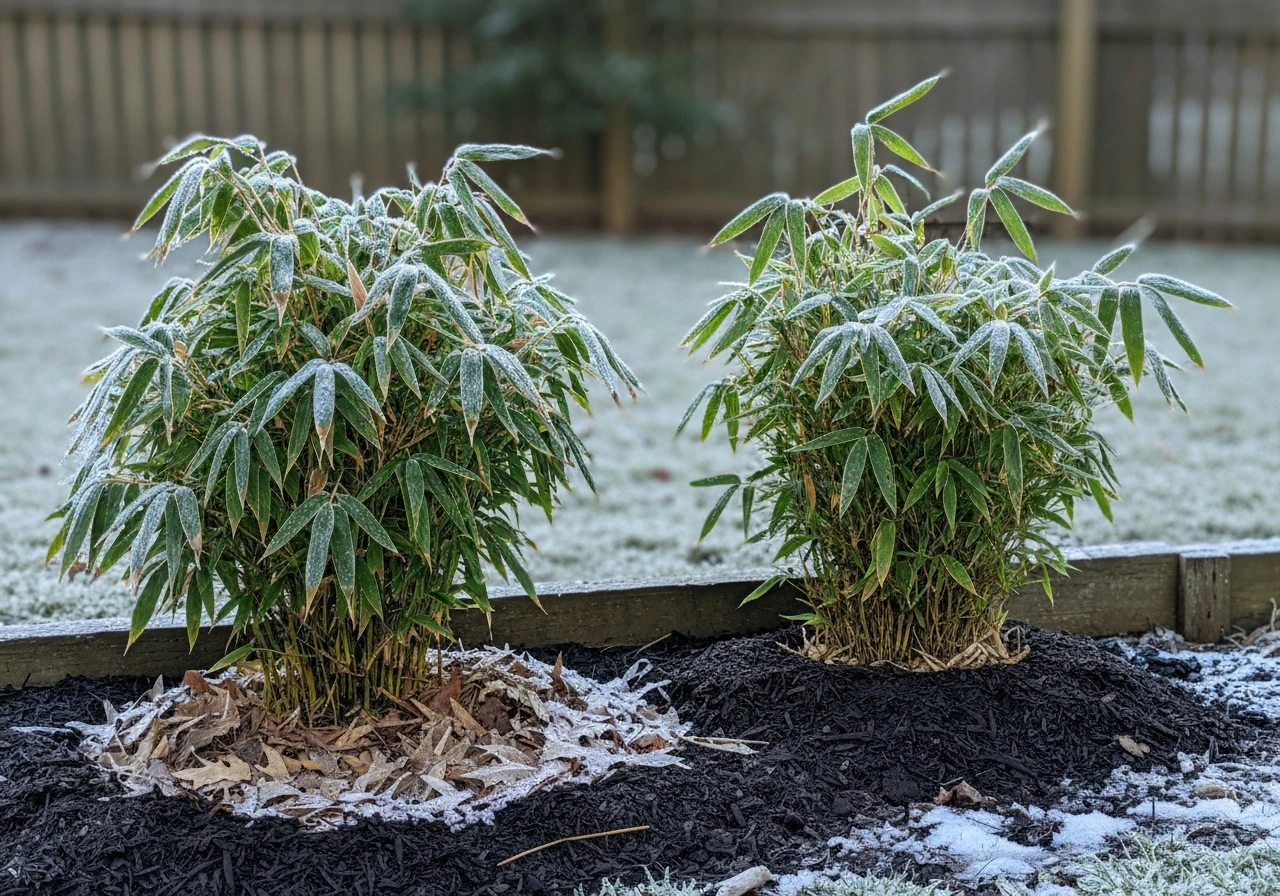
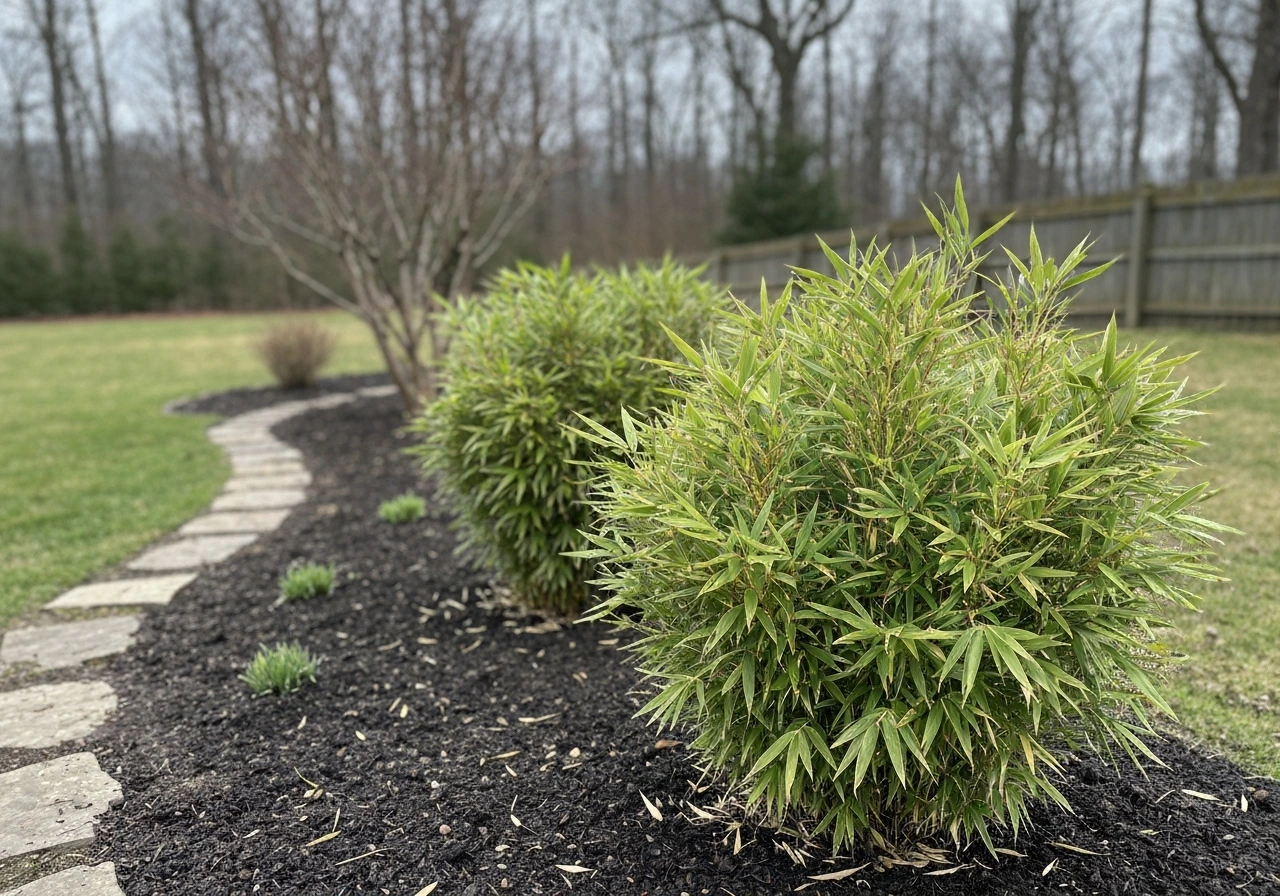
Not every bamboo sold at a garden center is going to make it through a Blue Ridge winter. Virginia's mountain counties (zone 5A) can see -20°F, and even the Piedmont dips into single digits in bad years. The good news is that some species are genuinely tough, and others are a perfect match for the milder coastal and tidewater regions.
For running bamboo in colder zones, Phyllostachys bissetii is one of the most reliable choices. It handles temperatures down to -20°F, is rated for USDA zones 5 through 11, and still puts on respectable height. Phyllostachys nuda and Phyllostachys aureosulcata are in the same cold-hardy tier, making them solid picks for central and western Virginia. In the warmer southern and coastal areas (zones 7b and 8), you have a much wider selection, and almost any Phyllostachys species will perform well.
For clumping bamboo, Fargesia robusta is worth knowing about. It tolerates down to about -13°F (-25°C) and does well in zones 5 through 9, which covers nearly the entire state. Clumping types like Fargesia don't spread aggressively via rhizomes the way running bamboo does, which makes them easier to manage and less likely to get you in trouble with local ordinances (more on that shortly). If you're in a borderline-cold area like Roanoke (zone 7b, with some suburbs at 7a), placing a clumping bamboo near a south-facing wall that radiates heat overnight can make a real difference in survival.
| Species | Type | Cold Hardiness | Best Virginia Zones | Notes |
|---|---|---|---|---|
| Phyllostachys bissetii | Running | -20°F | 5A to 8B | Excellent all-state option; needs containment |
| Phyllostachys nuda | Running | -15°F | 5B to 8B | Tall, upright, very cold-hardy |
| Phyllostachys aureosulcata | Running | -15°F | 5B to 8B | Yellow-green striped culms; popular ornamental |
| Fargesia robusta | Clumping | -13°F | 5A to 9 | Non-invasive; great for smaller spaces |
| Phyllostachys aurea (Golden bamboo) | Running | 0°F to 5°F | 6B to 8B | Invasive risk; flagged by local Virginia municipalities |
One species to approach with caution is Phyllostachys aurea, or golden bamboo. The City of Falls Church specifically flags it as problematic in Virginia because it spreads aggressively and can invade shaded forest edges. It's not illegal to grow statewide, but it requires serious containment and is not the best starting point for most home gardeners.
Where in Virginia bamboo will work best
Virginia's geography creates meaningful differences in what bamboo will tolerate. Hampton Roads and the Northern Neck are in zone 8A or 8B, and those areas can grow almost any cold-hardy bamboo with very little drama. Northern Virginia (think Alexandria at zone 8A) and the Piedmont (zones 6B to 7B) are the sweet spot for most of the running and clumping species listed above.
For example, Plantmaps shows example 2023 hardiness zone ranges for Virginia cities such as Alexandria, listing it as 8a (10°F to 15°F) and 7a (0°F to 5°F) Plantmaps example 2023 hardiness zone ranges for Virginia cities like Alexandria.
The Shenandoah Valley and western mountains are where you need to be selective, sticking with species rated to at least -15°F and adding mulch protection in winter. Before you commit, you should also check whether does bamboo grow in maine in the same way you’d confirm cold hardiness for your zone.
Sun exposure matters a lot. Bamboo does best with at least 4 to 6 hours of direct sun per day, and running types generally want even more. A south or east-facing slope is ideal. Wind is the other big factor, especially in winter. Cold, drying winds kill more bamboo than cold temperatures alone do. A fence, building, or dense evergreen hedge on the north and west sides of your bamboo planting dramatically improves survival and appearance through winter.
Microclimates can shift your effective zone by half a zone or more. A spot on the south side of a brick house in Charlottesville might behave more like zone 7B than zone 6B during a cold snap. These marginal gains add up when you're pushing species to their limits. If you're in the mountains or the western valleys, use every microclimate advantage you can find.
Soil, moisture, and pH: what bamboo actually needs
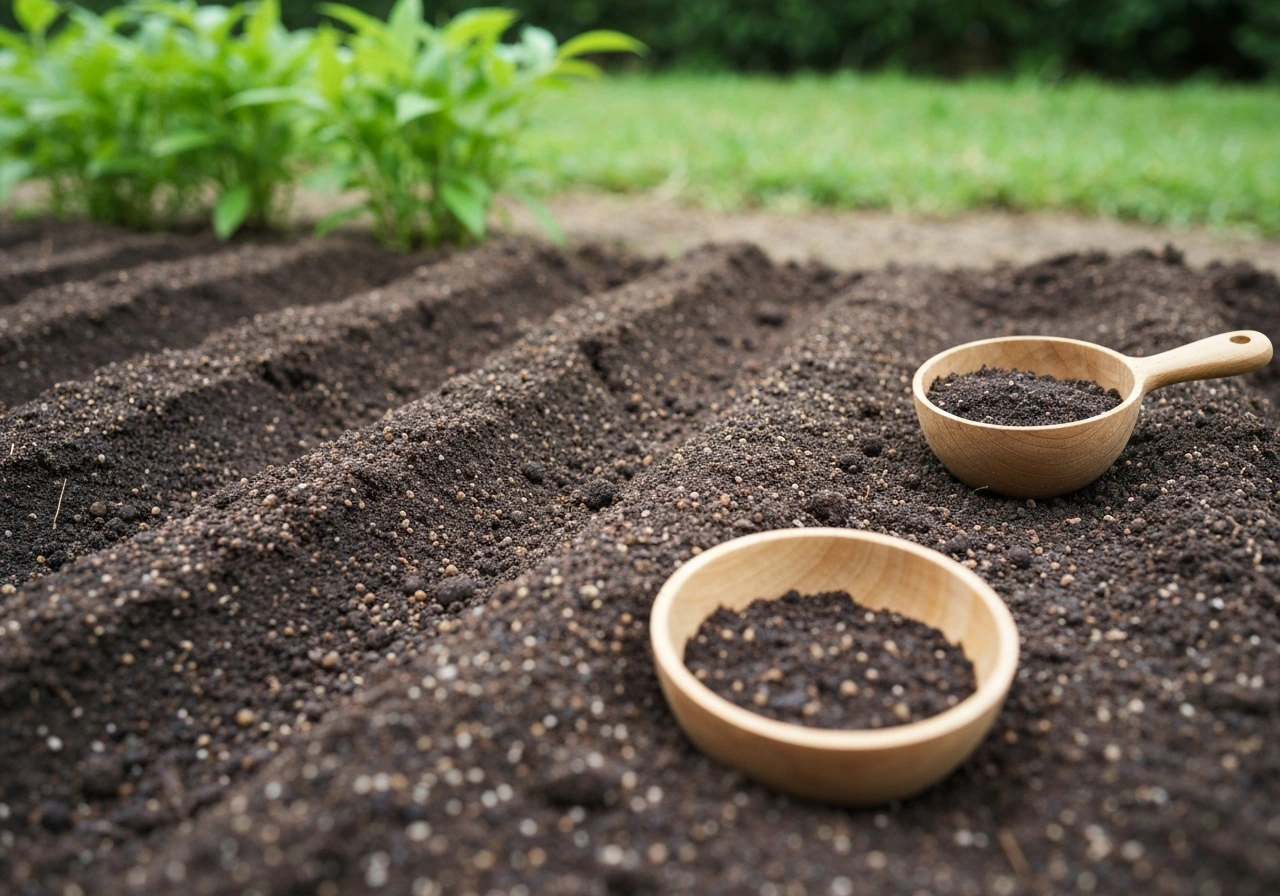
Bamboo is not particularly fussy about soil, but it does have clear preferences. It wants a loamy, slightly acidic soil with a pH between 5.5 and 6.5. Most of Virginia's native soils fall in this range without any amendment, which is convenient. If you're on the red clay soils common in the Piedmont, you're not disqualified, but you need to improve drainage. Bamboo can tolerate moisture-retentive clay as long as the site does not stay waterlogged. Sitting water around the root zone, especially in winter, is one of the fastest ways to kill a bamboo planting.
A few inches of organic compost worked into the top 12 inches before planting goes a long way on heavy Virginia clay. Raised beds or slight mounding of the planting area also helps. On sandier soils in the eastern coastal plain, you'll want to focus more on consistent moisture, since those soils drain quickly and bamboo is thirstier than it sometimes gets credit for.
Signs that your soil moisture is off include yellowing of lower leaves and mushy stem bases (too much water) or brown, crisping leaf tips and rapid leaf curl during the day (too little). Get drainage right first, and most of the other problems solve themselves.
Planting and care basics: rhizomes, water, and fertilizer
Containment: the conversation you need to have before you plant
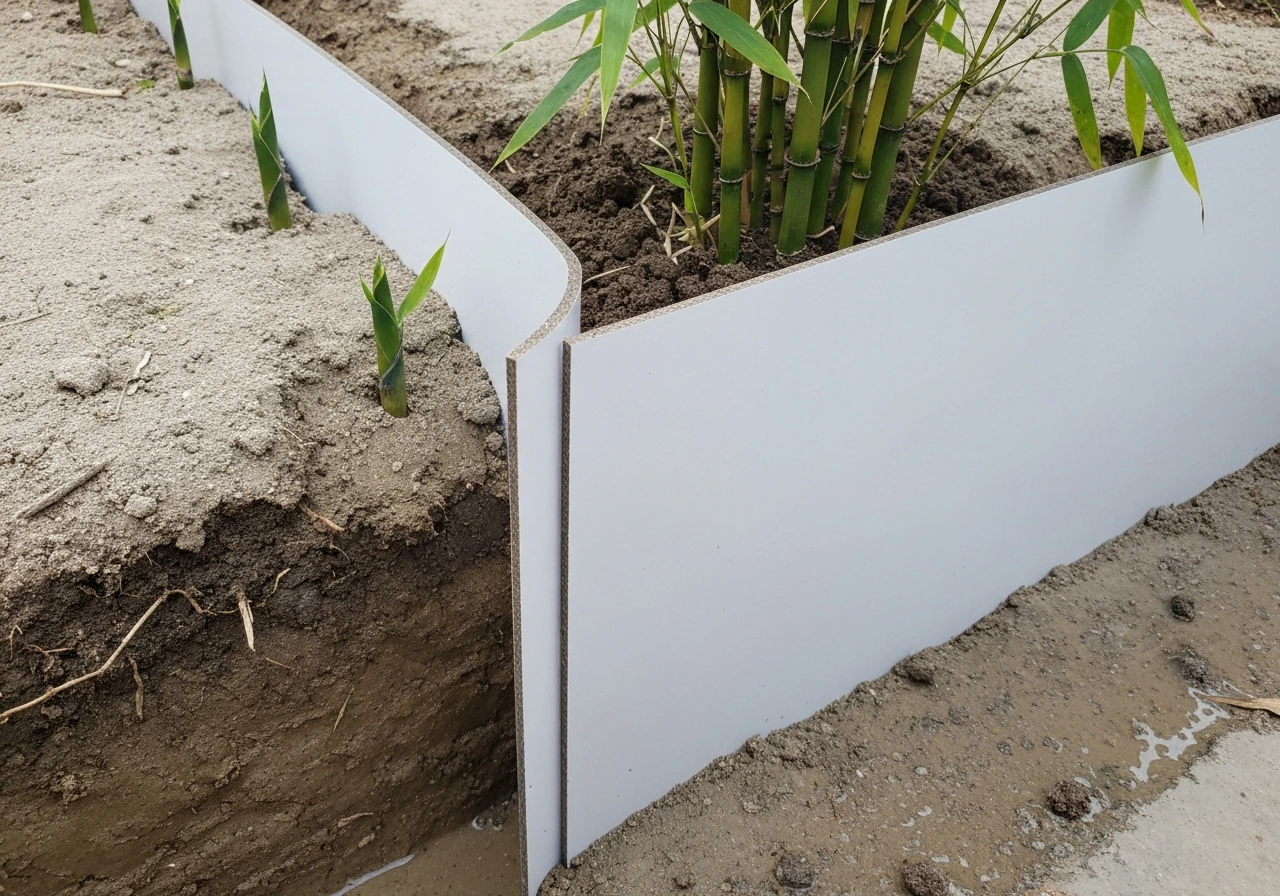
If you're planting running bamboo in Virginia, containment is not optional. Fairfax County passed an ordinance in January 2023 that requires property owners to contain running bamboo within their property lines, and violations can result in fines. Even outside Fairfax County, letting running bamboo cross into a neighbor's yard is a genuine legal and relationship problem. The right move is to install a physical rhizome barrier before you plant.
Use a 60-mil HDPE barrier (that's 0.06 inches thick) buried to 30 inches deep with about 2 to 6 inches left above grade. Fairfax County's own guidance calls for 36 inches total barrier height, with roughly 30 inches below ground and 6 inches above. The above-grade lip is critical: it forces rhizomes to grow upward and over the top instead of pushing under, which is where you catch them during your annual inspection. Leave the rhizomes that breach the top and just cut or prune them back rather than letting them drop back into the soil. Do this check every spring.
Clumping bamboo like Fargesia doesn't send rhizomes running, so containment is far less of an issue. If you want bamboo without the containment infrastructure and the legal exposure that comes with running types, clumping bamboo is genuinely a better starting point for most Virginia homeowners.
Watering and fertilizing
Newly planted bamboo needs consistent moisture for the first two to three years while it builds out its root system. Water deeply once or twice a week during the first growing season, more during Virginia's hot, dry stretches in July and August. After establishment, most in-ground bamboo handles normal rainfall on its own, though it will still show stress in droughts.
Fertilize in spring with a balanced slow-release granular fertilizer, or use a high-nitrogen option (like a lawn fertilizer) if you want to push height. A second, lighter feeding in early summer is fine. Skip fertilizing after August: late-season nitrogen pushes soft new growth that won't harden off in time for winter. Apply 4 to 6 inches of mulch over the root zone before winter in zone 6 and below to protect rhizomes from the deepest freezes.
Realistic growth rates and what to expect in year one
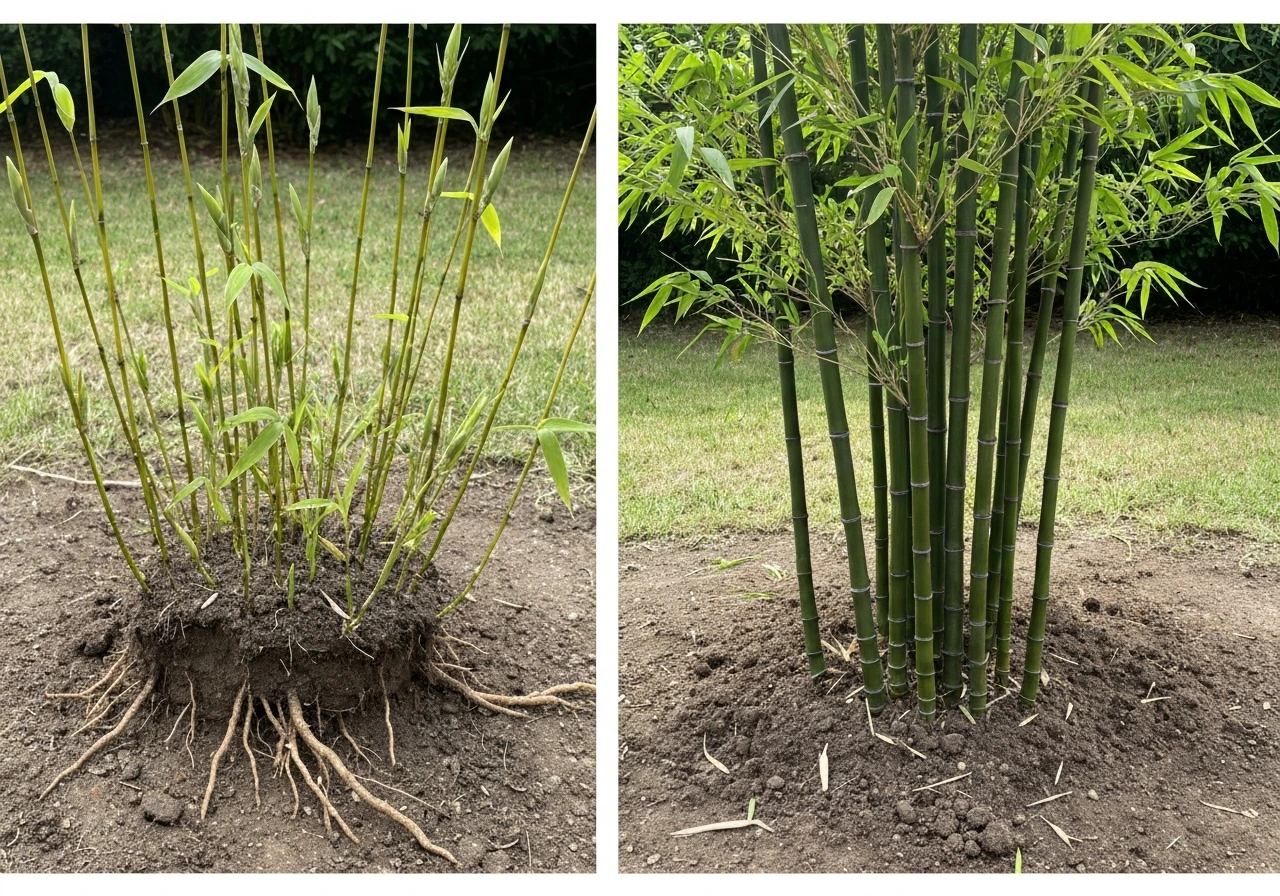
Bamboo's first season is almost always disappointing if you don't know what to expect. Most of the plant's energy in year one goes underground. The rhizome system has to establish before the plant pushes up serious new culms. You may see a few new shoots, smaller than you'd hope, and very little visible spread. That's normal. Don't dig it up thinking it's dead.
By year two and three, things start to look more like what you imagined. Running bamboo in good conditions gains 3 to 5 feet of height per year on new culms and spreads outward 3 to 5 feet per season. Clumping types are slower, adding 1 to 2 feet of height per year and spreading just a few inches annually. For privacy screening, clumping bamboo planted 3 to 5 feet apart and running bamboo planted 5 to 8 feet apart generally produces a functional screen within 2 to 4 years, assuming good conditions.
Keep in mind that new culms reach their full height in a single season, they just emerge thicker and taller each year as the rhizome matures. A culm that emerges in spring will be at its maximum height by early summer. After that, it doesn't grow taller, it just hardens off and leafs out. The jump in culm diameter from year three to year five is often more impressive than the height gain.
Virginia-specific problems and how to fix them
A few failure modes show up consistently in Virginia that are worth knowing about before you commit.
- Winter dieback on leaves and culms: Cold, dry wind is usually the culprit, not the temperature itself. Protect the planting from prevailing northwest winds with a windbreak, and make sure the soil going into winter is well-watered. Dry root zones amplify cold damage significantly. Culms that die back to the ground can still regrow from the rhizome if roots survived, so don't pull the whole plant in spring until you've waited for regrowth.
- Poor drainage killing roots: This is the top silent killer in Virginia's heavier soils. If the planting area holds water for more than an hour after heavy rain, amend it or choose a better site. Root rot sets in fast in saturated soil, especially over winter.
- Insufficient sunlight causing weak, sparse growth: Bamboo in shade produces fewer culms, thinner canes, and less vigor overall. If your grove is underperforming, check how many hours of direct sun it's actually getting versus what you estimated at planting time.
- Drought stress in summer: Virginia summers can be brutal, and bamboo stressed by dry conditions in July and August goes into fall with less stored energy for winter survival. Maintain irrigation through dry spells, especially during the establishment years.
- Container-grown bamboo freezing out: Bamboo in containers is much more vulnerable than in-ground plants because the root zone isn't insulated by soil mass. In zone 6 and colder, bring containers into an unheated garage or shed for the coldest months, or bury the container in the ground for winter.
- Rhizome spread getting out of control: Running bamboo without a barrier is genuinely difficult to walk back once established. If you're already dealing with spread, Falls Church's guidance confirms that repeated cutting and mowing over several growing seasons can exhaust the plant's energy reserves. Consistent removal of new shoots before they harden is the most practical non-chemical approach.
Where to buy, when to plant, and your next steps
Early spring is the best time to plant bamboo in Virginia. Planting in March through May gives the rhizome system the whole growing season to establish before winter arrives. Mid-fall (September to October) is the second-best window: the weather is cooler, the plant doesn't have to deal with summer heat stress, and it still gets a few weeks of root growth before the ground hardens. Avoid planting in summer heat or late fall when the ground will freeze before roots settle.
For sourcing, look for specialty bamboo nurseries over big-box stores. Mail-order nurseries that specialize in bamboo (there are several well-regarded operations in the Southeast and Mid-Atlantic) ship container-grown plants in spring and usually offer better species selection and healthier root systems than what you'll find at a general garden center. Ask specifically about zone suitability for your Virginia county before ordering. A nursery that knows bamboo will ask you what zone you're in before recommending species.
Before you commit to a species, check three things: your specific USDA hardiness zone (use the 2023 USDA map, not an older version), whether your chosen site drains well, and whether local ordinances in your county or city have any bamboo regulations. Fairfax County's running bamboo ordinance is the most prominent example in Virginia, but other municipalities are paying attention to the issue too. If you're planting running bamboo anywhere in Northern Virginia, assume you'll need a barrier and plan the budget accordingly before the plant goes in the ground.
Virginia is actually one of the better Mid-Atlantic states for growing bamboo outdoors. If you're wondering whether bamboo can grow in New England, the answer depends heavily on your exact location, hardiness zone, and how cold-hardy the species is growing bamboo outdoors. If you're wondering does bamboo grow in Pennsylvania, the short answer is yes, but your success depends heavily on hardiness zone and selecting cold-tolerant species.
In New York, bamboo can also grow outdoors in the right microclimates and with cold-hardy species suited to your local USDA zone bamboo can grow in New York. Compared to neighbors like Massachusetts or Maine, where cold limits species choices dramatically, Virginia's range of zones gives you genuine flexibility. Yes, bamboo can grow in Maine, but it depends on the species and how cold and windy your site is bamboo in Maine.
Bamboo can grow in Massachusetts too, but success depends on choosing cold-hardy species and protecting them from harsh winter conditions. Even in the mountains, the right cold-hardy Phyllostachys or a well-sited Fargesia will perform reliably year after year. Pick the right species, prepare the soil, contain it properly, and give it two to three seasons before you judge the results. That's the formula.
FAQ
Can I grow bamboo in Virginia if my yard is mostly shade?
Yes, but expect reduced growth and lower reliability, especially for running bamboo. Aim for at least a few hours of direct sun, and place it where winter wind exposure is blocked. If your site is consistently shaded, prioritize clumping types and choose a hardier species rated for colder zones.
Is bamboo safe for gardens near wooded areas or natural edges?
It can be risky with running bamboo because rhizomes can migrate into shaded edges where they are harder to notice. Even when you install a barrier, inspect for breaches every spring and after heavy storms, and keep mulch and ground covers from hiding the barrier rim.
How close to a house, patio, or driveway can I plant bamboo in Virginia?
For running bamboo, plan for space plus access for annual barrier inspection. Leave extra room for the rhizome barrier and pruning, and avoid planting right up against foundations where drainage issues can develop. A practical rule is to keep running bamboo at least several feet away from hardscapes, then adjust based on the mature spread of the specific species.
Do I need to dig a barrier trench before planting running bamboo, or can I retrofit later?
Retrofits are difficult and often cost more because rhizomes may already be beyond reach. Install the rhizome barrier before planting, confirm the depth and above-grade lip, and plan the barrier layout so you can still cut back any rhizome that escapes over the top.
What happens if I buy bamboo that is marketed for my zone but the microclimate is worse?
You can still lose plants if the site gets strong winter winds or stays wet longer than the average location. Re-check your specific spot for exposure and drainage, then add winter protection like wind screening, and consider choosing a species rated for colder than your USDA zone if your site is on a slope that collects cold air.
How much mulch should I apply and when should I stop watering before winter?
Apply mulch before the deep freeze period, and avoid leaving the root zone waterlogged. In late fall, gradually reduce watering if the ground is staying damp, because mushy stem bases are a common failure mode. Use mulch to buffer cold, not to keep soil continuously wet.
Can bamboo survive Virginia winters without any protection?
Some species can, particularly in zone 7B to 8B, but survival is not only about temperature. Wind protection and soil drainage often determine outcomes in colder parts of Virginia. If you are in zone 6B or 5A, plan on extra measures like wind barriers, correct soil drainage, and mulch over the root zone.
Is it better to plant in spring or fall for Virginia’s mountain regions?
Spring is usually the most forgiving in colder mountain sites because the plant has more time to establish before winter. Fall planting can work, but only if you plant early enough for root growth before hard freezes, and you mulch promptly after planting.
How do I tell if my bamboo problem is drought stress or too much water?
Too much water often shows as mushy stem bases and yellowing lower leaves, while drought stress shows as brown, crisping tips and leaf curl during the day. Also check whether water ponds after rain, then adjust by improving drainage or watering frequency rather than changing fertilizer first.
Should I fertilize bamboo the same way as my lawn in Virginia?
Not exactly. You can use a balanced slow-release or a higher nitrogen feed for pushing height, but stop fertilizing after August to reduce winter-killing risk from soft growth. If you are already applying lawn fertilizer nearby, watch timing so you are not double-feeding at the wrong season.
How long until bamboo looks like a real privacy screen in Virginia?
Expect the first visible results to be limited in year one because energy goes underground. By year two to three, clumping types can start forming a functional barrier when planted in the recommended spacing, while running types typically fill faster if contained correctly and given consistent moisture during establishment.
Is bamboo considered invasive in all of Virginia?
Invasiveness is mainly a risk with running bamboo because it spreads aggressively through rhizomes. Clumping bamboo is usually easier to manage. The legal risk also depends on local rules, so confirm your county or city requirements before planting running species.
What maintenance do I need beyond watering and containment?
For running bamboo, your key task is an annual spring inspection to catch rhizomes that have escaped over the barrier top. Also plan routine pruning for shape and to remove any dead or weak culms after winter, and keep the area around the planting from obstructing your ability to inspect.
Next Article
Does Bamboo Grow in Pennsylvania? How to Succeed
Learn if bamboo grows in Pennsylvania, which cold-hardy types fit your zone, and how to plant, control, or overwinter it