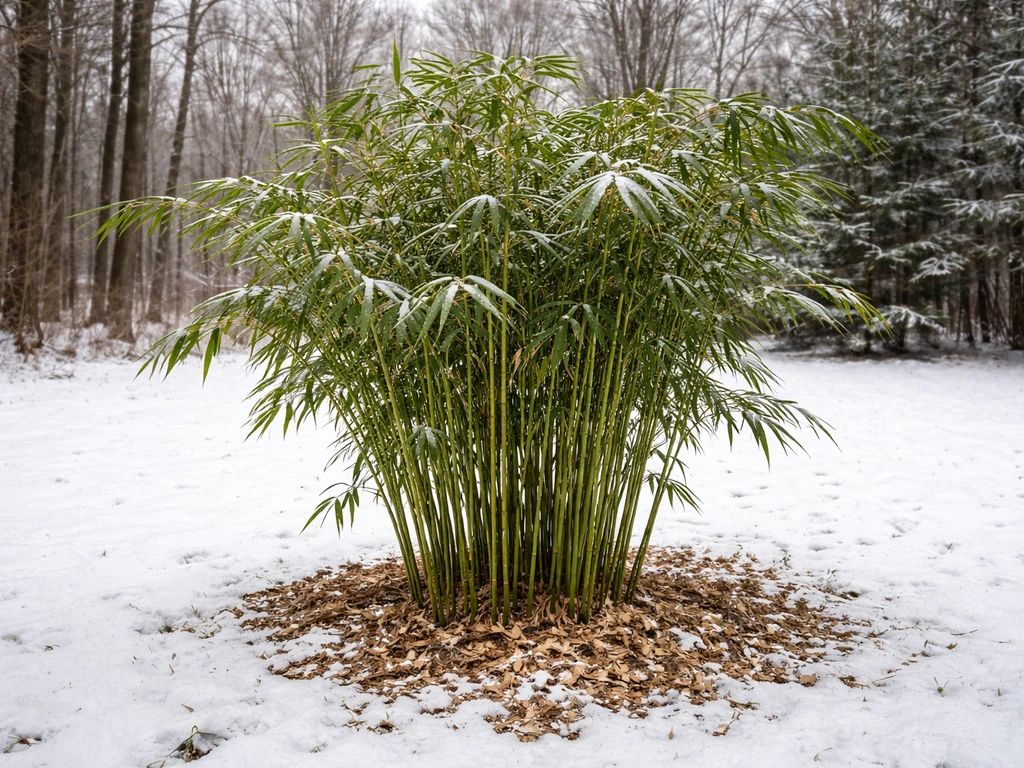
Yes, bamboo can absolutely grow in Pennsylvania, and several cold-hardy species will thrive outdoors year-round across most of the state. Whether bamboo grows in New England depends on choosing cold-hardy species and matching them to your local winter lows. In the wider U. S.
Does Bamboo Grow in Pennsylvania? How to Succeed
Marcus Hartwell
5 Jun 2026
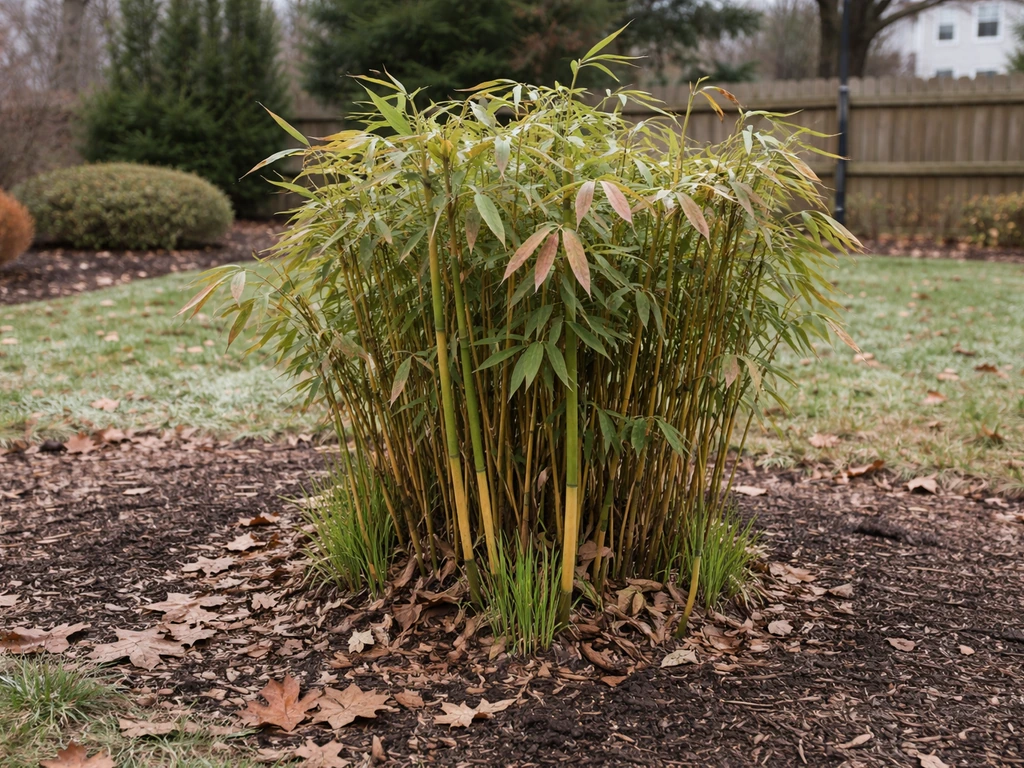
, bamboo can grow outdoors in some regions if you choose cold-hardy species and match them to your climate grow in Pennsylvania. The key is picking the right species for your USDA zone and setting it up with decent soil drainage, mulch, and a containment plan before it gets away from you. If you are wondering whether bamboo is illegal to grow in Pennsylvania, it usually comes down to local ordinances and how you manage spreading.
Get those things right and you can have a full, established grove in three to five years. Get them wrong and you will either lose plants to winter cold or spend years chasing rhizomes across your yard. Does bamboo grow in Virginia? Yes, but you still need cold-hardy species and the right site setup so winter temperatures and wind do not kill the rhizomes.
Pennsylvania's Climate and What USDA Zones Actually Mean Here
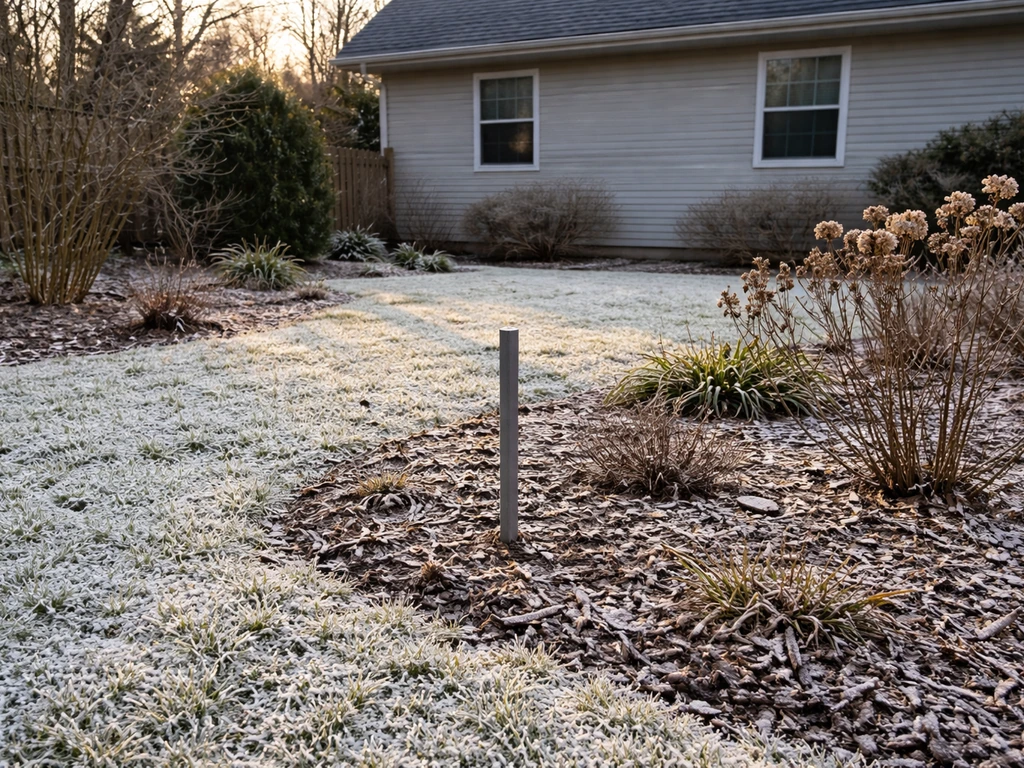
Pennsylvania is not one climate. The Philadelphia area sits in USDA Zone 7a, which sees average annual extreme minimum temperatures around 0°F to 5°F. Move northwest toward Erie or into the Pocono highlands and you drop into Zones 5b and 6a, where winter lows can plunge to -15°F or colder. Pittsburgh and the central ridge-and-valley region generally land in Zone 6a or 6b. USDA hardiness zones are calculated from the average annual extreme minimum winter temperature, and that number is what determines whether a bamboo's rhizomes survive underground even when top growth gets killed back.
Microclimates matter too. A south-facing slope near a building in Allentown behaves more like Zone 7 than the official zone suggests. A hilltop in Centre County with full northern wind exposure is harsher than its zone label implies. When you are shopping for bamboo, always check the species' listed minimum survival temperature against your personal micro-conditions, not just the county average.
Picking the Right Bamboo for Your Part of PA
This is where most Pennsylvania gardeners make their first mistake. They buy a tropical or subtropical bamboo at a garden center, plant it outside, and watch it die in January. The bamboos that work in PA are overwhelmingly running types in the Phyllostachys genus, and a few Fargesia clumpers. Tropical species like Bambusa or most Guadua are non-starters unless you are keeping them in containers you can move indoors.
For cold-hardy outdoor planting across most of Pennsylvania, these are the species I keep coming back to:
- Phyllostachys nuda: One of the hardiest running bamboos available, with a documented minimum survival temperature around -20°F (-29°C). This is a strong choice for Zone 6 and even parts of Zone 5b in PA.
- Phyllostachys bissetii: Similarly rated to around -4°F (-20°C) minimum, vigorous, and tolerates wind better than most. Good for central and western PA.
- Phyllostachys aureosulcata (Yellow Groove Bamboo): Reliably hardy to Zone 5, commonly planted across the mid-Atlantic and northeast. It is a proven performer in PA.
- Fargesia species (clumping bamboo): Most Fargesia are rated to Zone 5 or 6 and are clumping, meaning they do not run aggressively. Great for tighter spaces or urban lots.
- Phyllostachys nigra (Black Bamboo): Hardy to Zone 7 reliably, marginal in Zone 6. Fine for the Philadelphia region but risky in the colder northwest.
| Species | Hardiness Zone | Growth Type | Best PA Region |
|---|---|---|---|
| Phyllostachys nuda | Zone 5b–9 | Running | Statewide, including colder northwest |
| Phyllostachys bissetii | Zone 5b–9 | Running | Statewide |
| Phyllostachys aureosulcata | Zone 5–9 | Running | Statewide |
| Fargesia species | Zone 5–8 | Clumping | Statewide, shade-tolerant |
| Phyllostachys nigra | Zone 7–10 | Running | Philadelphia area, Zone 7 only |
| Tropical Bambusa spp. | Zone 9–12 | Clumping | Container/indoor only in PA |
Setting Up the Right Growing Conditions
Sun and Wind Exposure
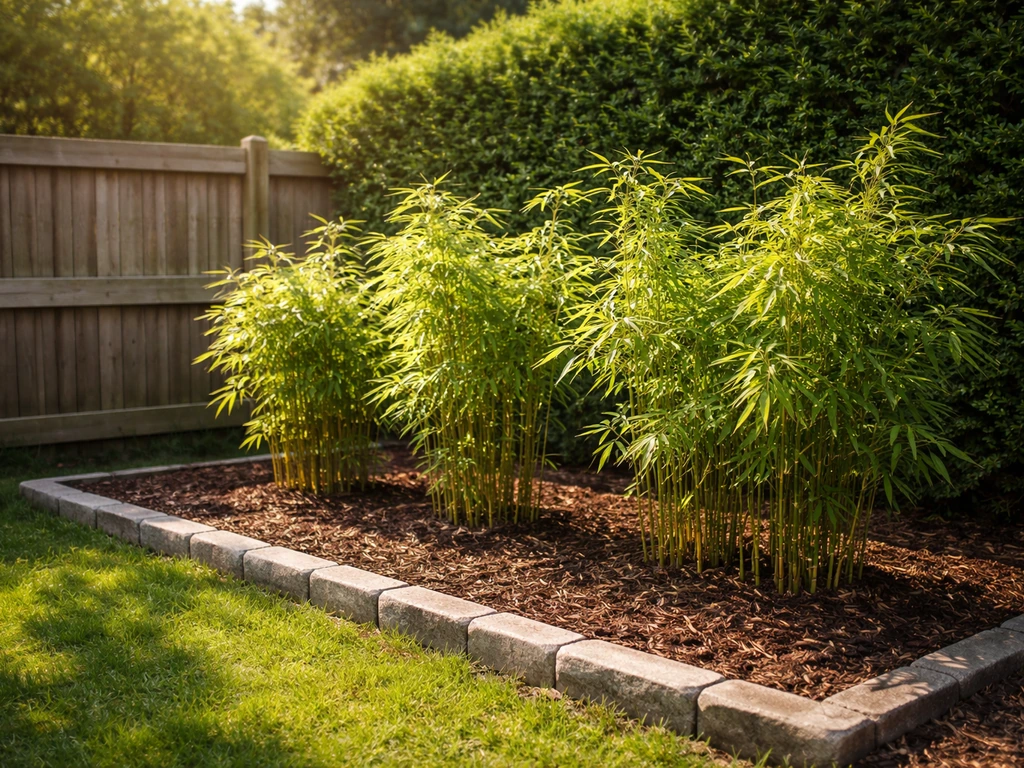
Most running bamboos want full to partial sun, at least four to six hours of direct light per day. Fargesia species are a notable exception and actually prefer partial shade, which makes them excellent for woodland edges or north-facing beds. For any bamboo in PA, avoid planting on an exposed north-facing slope or in a wind corridor. Cold, desiccating winter winds are one of the most common causes of top-growth dieback even in otherwise-hardy species. A south or east-facing location near a fence, wall, or windbreak dramatically improves winter performance.
Soil and Drainage
Bamboo thrives in well-draining, slightly acidic soil with a pH between 5.5 and 6.5. Pennsylvania soils range quite a bit, from the heavy clay of the piedmont to the rocky, fast-draining soils of the ridge-and-valley. The non-negotiable requirement is drainage. Bamboo roots sitting in waterlogged soil for more than a few weeks can rot, even cold-hardy species. If your site stays wet after rain, raise the bed, amend with compost and coarse material, or choose a different location entirely. Because bamboo roots are relatively shallow, you typically only need to amend the top 12 inches of soil before planting.
Mulching
This one is not optional. Bamboo is a forest plant and does best with a consistent mulch layer over the roots and rhizomes. Apply 3 to 4 inches of organic mulch (wood chips, shredded leaves, or straw) over the entire root zone, keeping it away from the culm bases. Mulch insulates the soil, keeping rhizome temperatures warmer than the air above, which is critical during Pennsylvania winters. Replenish it every year in late fall.
Watering
Newly planted bamboo needs consistent moisture during its first growing season, especially in the summer heat. Once established, most cold-hardy species handle Pennsylvania's normal rainfall well. The main watering concern is during dry spells in the first one to two years, before the root system has spread and deepened. Drip irrigation or a slow hose soak once or twice a week during dry stretches is plenty.
Planting Timeline: From First Year to a Mature Grove
The old saying about bamboo is that it 'sleeps, creeps, then leaps,' and that is a pretty accurate description. Here is what to realistically expect in Pennsylvania:
- Year 1 (Sleeping): Plant in spring after the last hard frost, or in early fall at least six weeks before the ground freezes to let roots establish. Top growth may be minimal or the plant may even look like it is just surviving. It is. The rhizomes are quietly spreading underground. Do not panic and do not over-fertilize.
- Year 2 (Creeping): You will see more shoots, and they will be noticeably thicker than the original planting. The grove footprint starts to expand. This is when containment becomes important to monitor.
- Years 3–5 (Leaping): For most running bamboos in PA, this is when the grove really takes off. Culms will approach the species' mature diameter and height. A Phyllostachys nuda grove planted in Zone 6 can realistically reach 20–30 feet in this window under good conditions.
- Years 5 and beyond (Mature grove): The stand is self-sustaining, producing reliable new shoots each spring. Annual management (thinning, trimming edges, renewing mulch) keeps it healthy and contained.
Regarding the spring vs. fall planting question: spring is generally the safer choice for bamboo in colder PA zones (5b and 6a), especially if your site gets winter wind. For bamboo planting in cold-winter conditions with winter wind, the Rock Mountain Products planting and controlling guide recommends spring planting or protecting the bamboo until it acclimates [spring planting is generally the safer choice for bamboo in colder PA zones (5b and 6a), especially if your site gets winter wind. ](https://www.
rockmountain. com/assets/pdf/RockMountainProducts-2024PlantingCaringForAndControllingBamboo. pdf). Bamboo can grow in Maine too, but your success depends on choosing truly cold-hardy species and protecting them from harsh winter wind and cold.
That gives the plant a full growing season to establish before its first Pennsylvania winter. In Zones 6b and 7, fall planting works well and can give the roots a head start before spring shoots emerge.
Containment, Spreading Control, and Ongoing Maintenance
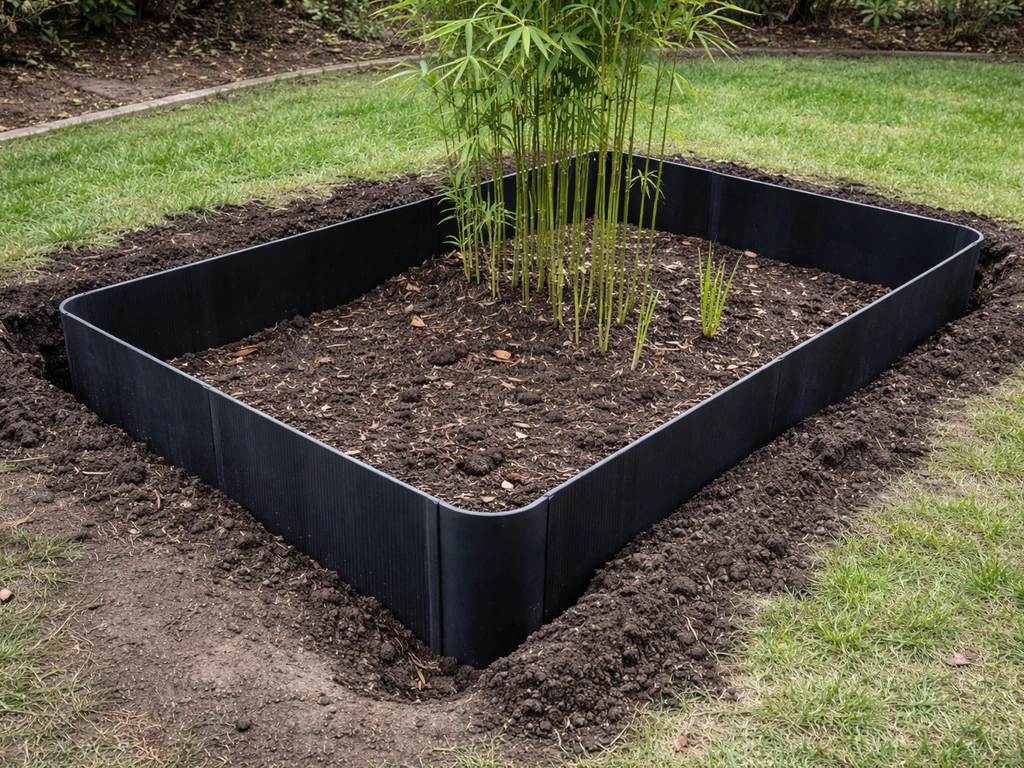
If you are planting any running bamboo (Phyllostachys species), containment is not an afterthought. It is part of the installation. Running bamboo sends out horizontal rhizomes that can travel several feet per year once established, and they will cross property lines, come up in flower beds, and appear in places you absolutely did not intend. Do not skip this step.
HDPE Rhizome Barrier
The most reliable containment method is a buried HDPE (high-density polyethylene) rhizome barrier. The American Bamboo Society recommends 60 to 80 mil thickness installed 30 to 36 inches deep. A common installation approach is a trench about 28 inches deep and 12 inches wide, with a 30-inch barrier. The barrier should form a complete loop around the planting area, with the top edge angled slightly outward and sticking a few inches above grade so you can see rhizomes trying to escape. One important note: do not fertilize in ways that encourage deep rhizome growth if you want the barrier to hold.
Trench Method
A cheaper and lower-tech option is a rhizome trench: dig a shallow trench (6 to 8 inches deep) around the planting perimeter and check it two or three times per growing season. When you spot rhizomes reaching the trench, cut them back. It requires more active monitoring but works well for smaller plantings or gardeners who stay on top of it.
Container and Mound Planting
Two other approaches work well in residential settings. Container planters (in-ground or above-ground) completely prevent spreading and are a good fit for urban lots or courtyard gardens. Mound planters, where you build a soil mound 18 to 24 inches tall and 3 to 4 feet wide, naturally slow rhizome spread since rhizomes tend to stay within the mound boundary.
Annual Maintenance
- Inspect barrier or trench edges in spring and again in midsummer when rhizome growth is active.
- Thin older, dead, or weak culms each year to keep the grove healthy and open.
- Renew mulch each fall before the ground freezes.
- Remove any culms that shoot up outside your intended boundary immediately before they harden.
Container Growing and Indoor Options in PA
If you are in a colder part of the state, have a small yard, want to grow a tropical species, or are simply not ready to commit to an in-ground installation, container growing is a practical and rewarding option. Most cold-hardy species do fine in large containers (25 gallons or more) with good drainage, and containers can be left outdoors year-round in Zones 6b and 7 with mulch piled around the pot for insulation. In Zone 5b and 6a, you may want to move containers into an unheated but protected space like a garage for the coldest weeks.
Tropical bamboos like Bambusa species are genuinely beautiful, and they can thrive in containers on a PA deck or patio from May through September. Bring them inside before the first frost, place them in a bright south-facing window or under grow lights, and keep them on the drier side through winter. They will reward you by bouncing back vigorously every spring. This is essentially the same approach many growers use for tropical bamboo in similar northeastern states like New York and Massachusetts. If you are wondering can bamboo grow in New York, focus on matching cold-hardy species to your exact USDA zone and protecting them from winter wind.
For indoor growing year-round, lucky bamboo (which is technically Dracaena, not true bamboo) is an entirely different plant and needs no special treatment. True bamboo grown fully indoors needs strong, consistent light and high humidity, which most Pennsylvania homes cannot naturally provide without supplemental grow lighting. It is doable, but container-with-seasonal-overwintering is usually a much better experience than trying to maintain full indoor bamboo long-term.
Your Next Steps for Growing Bamboo in Pennsylvania
Start by looking up your specific address on the USDA Plant Hardiness Zone Map to confirm your zone, not just your county's general zone. Then pick a species whose minimum temperature rating gives you at least a 5°F buffer below your local average extreme low. Choose a planting site with good drainage, southern or eastern exposure, and wind protection if possible. Plan your containment method before the plant goes in the ground, not after. Mulch heavily at planting and every fall thereafter. If you do all of that, bamboo is not a fragile or difficult plant in Pennsylvania. It is actually one of the faster-establishing, lower-maintenance landscape plants you can grow here once it gets going.
FAQ
What’s the safest way to confirm whether a bamboo species will survive my Pennsylvania winter?
Use your exact USDA hardiness zone from your address, then verify the species’ rated minimum survival temperature. Add a safety buffer, ideally 5°F lower than your typical average extreme low, and also account for wind exposure (a wind corridor can effectively “add stress” even if the zone looks adequate).
Can I grow bamboo in Pennsylvania without worrying about underground spreading?
Yes, but only if you choose a non-spreading clumping type (many Fargesia varieties) or a complete physical confinement method. If you plant running bamboos, you should plan containment before planting, because rhizomes can cross paths and beds in multiple directions once they’re established.
How close can bamboo be to a house, driveway, or foundation?
Even with containment, keep it well away from building edges and utilities. A practical approach is to maintain clearance for inspection and future barrier repairs, because soil conditions and barrier alignment can shift over time, especially in areas with freeze-thaw cycles.
Why did my cold-hardy bamboo die back to the ground in spring, even if the species is “hardy”?
The most common reasons are desiccating winter wind, waterlogged soil during cold months, or planting in exposed north-facing areas. Also, newly planted clumps and rhizomes need their first year established, so they are less forgiving than mature plantings.
Should I fertilize bamboo in Pennsylvania to help it recover faster after winter?
Be cautious. Heavy fertilizing can encourage growth at the wrong time or, for running types, encourage more vigorous rhizome expansion. Stick to modest feeding only after shoots start in spring, and prioritize mulch and consistent drainage first.
Is it okay to plant bamboo in containers year-round in Zone 5b or 6a?
It can work, but you need extra protection for the root ball during deep cold. Move the container to a protected area, insulate the pot with mulch or wrapping, and avoid letting it sit in standing water, since drainage problems can cause root rot even when the plant is cold-hardy.
What should I do if rhizomes start escaping containment?
Act immediately. Use a shovel to locate the rhizome run, cut it back cleanly, and check the surrounding perimeter, because escapes often mean the barrier has a gap, fold, or breach that needs correction before the next growing cycle.
How do I tell whether my bamboo is being damaged by cold versus lack of water?
Cold damage often shows as brown or blackened shoots and delayed spring emergence, while under-watering usually presents as dry, curled foliage during warm spells in the first one to two growing seasons. The quickest check is soil moisture at root depth, not just surface dryness, because drainage issues can mimic drought stress.
Do I need to remove dead culms or wait until spring?
Usually wait until spring once you can see new growth. Removing everything too early can expose fresh tissue to late cold snaps. When you do cut back, sanitize tools and cut to healthy, firm tissue rather than tearing hollow, dead stems.
Does bamboo need full sun everywhere in Pennsylvania?
Most running bamboos perform best with several hours of sun, but Fargesia often prefers partial shade. In very sunny, windy sites, consider afternoon shade or a windbreak, because winter dieback can be worsened by drying winds even when the plant gets enough summer light.
Next Article
Can Bamboo Grow in New York Upstate and How to Start
Learn if bamboo can grow in New York upstate, which hardy types to buy, and step-by-step planting and winter protection.